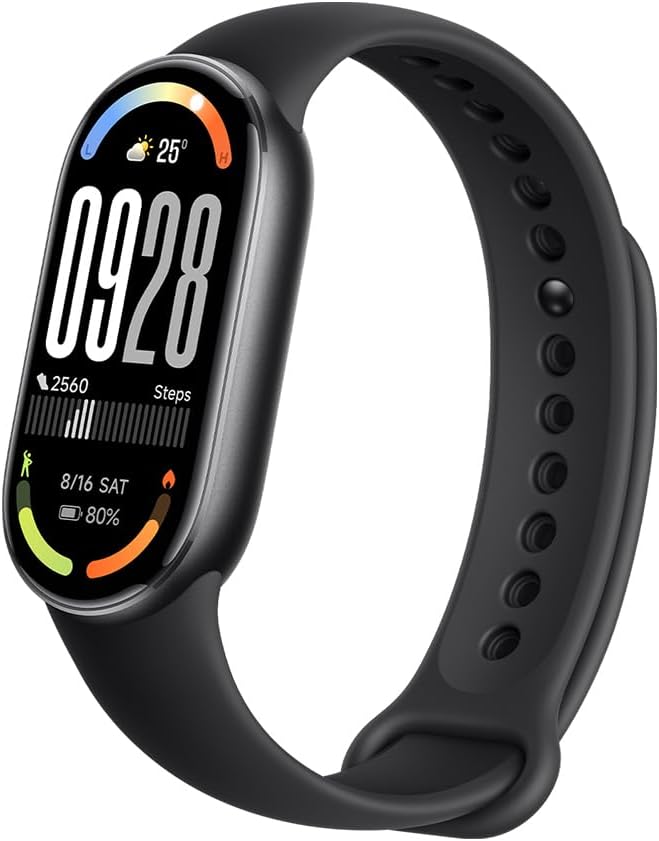
XIAOMI Mi Smart Band 10 (2025) Global Version - 1.72" AMOLED Display | 21 Days Battery Life | Touchscreen, Multi-Sport Tracker, Activity Tracker, Heart Rate Monitor | BT5.4 - (Midnight Black)
Want the best price and purchase timing?
Our AI advisor analyzes real-time pricing across all channels to find you the best deal.
AI Verdict
A 1.72-inch AMOLED tracker with 21-day battery life and HyperOS 2, best for basic activity and heart rate monitoring on a budget.
This band is a strong fit for Android users seeking a budget-friendly tracker with a bright 1.72-inch AMOLED display and long 21-day battery life for basic activity and heart rate monitoring. However, its lack of built-in GPS and poor iOS app integration make it a weak fit for iPhone users or those requiring precise, standalone workout tracking.
If standalone GPS and robust app integration are crucial, look for trackers with built-in GPS and a proven track record of stable app performance on your specific smartphone OS.
Regret Score™
Medium RiskLower is better — measures purchase-regret risk from real buyer complaints, review credibility, and product maturity
Issues discovered after purchase
Critically weak dimension
Amazon rating vs actual quality
Chance this product isn't for you
Pros
- The 1.72-inch AMOLED display offers 212 x 520 pixels resolution and up to 1500 nits HBM brightness, making it readable in direct sunlight.
- Achieves up to 21 days of battery life with typical usage, reducing to 9 days with Always-On Display enabled.
- Includes an electronic compass for enhanced outdoor activity tracking.
- Offers 150+ sports modes and heart rate data that is surprisingly close to high-end devices like the Garmin Fenix 8.
- Features a lightweight 15.95g aluminum alloy frame, contributing to comfortable wear.
- The HyperOS 2 provides a smoother user interface with new widgets and improved calendar and timer functions.
Cons
- Lacks built-in GPS, requiring a connected smartphone for location tracking during workouts.
- The global version does not include NFC for contactless payments.
- Run tracking on iOS is unreliable, with frequent GPS connection drops and workout interruptions.
- The Mi Fitness app on iOS can cause significant phone battery drain, consuming around 10% in 2 hours with unlimited GPS access.
- Sleep tracking, while improved, can still be inaccurate, sometimes reporting 10 wake-ups in regular intervals.
Dimension Scores
The 1.72-inch AMOLED display with 212 x 520 pixels and up to 1500 nits HBM brightness offers clear, vibrant visuals and is easily readable outdoors.
HyperOS 2 provides a smooth UI and accurate heart rate tracking, but the lack of built-in GPS and reported iOS app instability limit its overall performance for serious fitness tracking.
With up to 21 days of typical use and 9 days even with Always-On Display, the battery life is exceptionally long compared to most smart devices.
Integration is hampered by the absence of NFC, no speaker/microphone, and significant issues with iOS app stability and limited data syncing to Apple Health.
Best For
- individuals needing basic activity and heart rate tracking without a phone tether for daily steps.
- users prioritizing long battery life (up to 21 days) over advanced smartwatch features.
- budget-conscious buyers seeking a bright, readable display for notifications and time.
- casual swimmers wanting basic pool direction tracking with the electronic compass [cite: product data, 1, 2].
Not Recommended For
- serious runners or cyclists who need accurate, standalone GPS tracking without a phone.
- iPhone users expecting seamless integration and reliable workout tracking, especially for GPS-dependent activities.
- anyone needing NFC for contactless payments or music storage/playback directly from the band.
Watch Out For
- The Mi Fitness app on iOS drains phone battery significantly, with one user reporting 10% loss in 2 hours of idle time with GPS access.
- GPS tracking for runs on iOS is unstable; users report constant connection drops and workouts pausing or canceling midway.
- Sleep tracking, while enhanced, can still be inaccurate, with one user noting it reported 10 wake-ups in suspiciously regular intervals.
- Syncing sleep data to Apple Health only transfers 'time in bed,' not detailed sleep stages, limiting insights for iOS users.
- The advertised 1500 nits HBM brightness was measured at a maximum of 980 nits in some tests, falling short of the claim.
Full Specifications
| GPS | No GPS |
| ASIN | B0DYF82545 |
| Brand | XIAOMI |
| Shape | Oval |
| Language | English |
| Batteries | 1 Lithium Polymer batteries required. (included) |
| Item Weight | 0.03 Kilograms |
| Screen Size | 1.72 Inches |
| Manufacturer | Xiaomi |
| Special Feature | Custom Activity Tracking, Cycle Tracking, Lightweight, Music Player |
| Battery Capacity | 200 Milliamp Hours |
| Operating System | Hyper OS |
| Item model number | BHR07PYGL |
| Connectivity Technology | Bluetooth |
| Battery Cell Composition | Lithium Polymer |
| Standing screen display size | 1.72 Inches |
| Wireless Communication Standard | Bluetooth |
What Buyers Say
The most surprising finding is how much the iOS experience drags down an otherwise capable budget tracker; users report constant GPS drops during runs and the companion app draining phone battery by 10% in just two hours. While the 1.72-inch AMOLED screen is a noticeable upgrade, making text clearer and the interface smoother, the core tracking capabilities for serious athletes are still limited by the reliance on phone GPS. Sleep tracking has seen improvements over previous models, but it still doesn't match the precision of dedicated sleep devices and can sometimes report erroneous wake-up times.
“Look, it's cheap and the screen is actually pretty good for the price, but if you have an iPhone and actually want to track your runs, just forget about it. The app kills my phone battery and the GPS is a joke. I just wanted something simple, but this is kinda frustrating.”
Common Praise
- The 1.72-inch AMOLED display is crisper and more colorful than previous models, with larger, more readable text.
- The 1500 nits HBM brightness makes the screen very easy to see even in direct sunlight.
- Heart rate accuracy is surprisingly close to high-end sports watches like the Garmin Fenix 8.
- The HyperOS 2 interface is fluid, with new widget sections and improved calendar and timer apps.
- The 21-day battery life is a significant advantage, reducing charging frequency.
- The lightweight 15.95g aluminum alloy build feels comfortable for all-day wear.
Common Complaints
- GPS connection constantly drops on iOS during run tracking, often pausing or canceling workouts.
- The Mi Fitness app on iOS causes substantial phone battery drain, up to 10% in 2 hours when idle with GPS access.
- Sleep tracking, while improved, can still be inaccurate, sometimes showing 10 wake-ups in regular intervals.
- Syncing with Apple Health only transfers 'time in bed,' not detailed sleep stages.
- Lack of built-in GPS means you always need your phone for accurate route tracking.
- No NFC for contactless payments on the global version.
Ownership Tips
- The '21 days' battery life is achievable, but only if you turn off most advanced features and AOD; expect closer to 6-9 days with more active use.
- The strap mechanism is the same as previous bands, so older straps might be compatible.
- The electronic compass is a cool addition, but not a 'game-changer' for most daily users.
- The device is 5ATM water resistant, but leather, silk, magnetic, and metal straps should be avoided in water.
- Heart rate data can be broadcast via Bluetooth to other devices like cycle speedometers, but needs to be manually enabled.
Frequently Asked Questions
Does the Xiaomi Mi Smart Band 10 have built-in GPS?
No, the Xiaomi Mi Smart Band 10 does not have built-in GPS. It uses connected GPS, meaning it relies on your smartphone's GPS for location tracking during activities.
Can I make contactless payments with this band?
No, the global version of the Xiaomi Mi Smart Band 10 does not support NFC for contactless payments.
How long does the battery last?
The battery can last up to 21 days with typical usage. With the Always-On Display enabled, it typically lasts around 9 days, and about 6 days if all advanced tracking features are constantly active.
Is the display easy to read in sunlight?
Yes, the 1.72-inch AMOLED display has a high brightness of up to 1500 nits HBM (though measured closer to 980 nits in some tests), making it readable even in direct sunlight.
Does it work well with iPhones?
User experience on iOS is reported as mediocre. Issues include unstable GPS connection during runs, significant phone battery drain from the Mi Fitness app, and limited sleep data syncing to Apple Health.
Buying Guide
When you're looking at a fitness tracker like this, you need to decide what's most important to you. If you just want to count steps, monitor your heart rate, and get notifications on a bright screen without charging every day, this could work. But if you're a serious runner or want to leave your phone at home for GPS tracking, this band won't cut it. Also, iPhone users should be wary of the reported app issues.
1.72-inch AMOLED Display
This is the window to all your information. A larger AMOLED screen means brighter colors, deeper blacks, and easier readability, especially outdoors, like looking at a mini smartphone screen on your wrist.
21 Days Battery Life
This tells you how often you'll need to charge it. 21 days is like charging your phone once a month instead of every night – super convenient for continuous tracking and not worrying about it dying mid-day.
Connected GPS
This means the band doesn't have its own GPS chip. To track your running route, you need to carry your phone with you, as the band 'borrows' the phone's GPS signal. Think of it like a car without its own navigation system, relying on your phone's maps.
HyperOS 2
This is the operating system, like Android or iOS for your phone. A newer, optimized OS means a smoother, more responsive experience when swiping through menus and launching apps on the band.
Alternatives
If you need standalone GPS for running or cycling, look for trackers that explicitly state 'built-in GPS.' If NFC payments are a must-have, ensure the product description specifies NFC support for your region. For seamless iOS integration, research user reviews specifically from iPhone owners.
You Might Also Like

Amazon Kindle Paperwhite (16 GB) – Now with a larger display, adjustable warm light, increased battery life, and faster page turns – Black
This is a 16 GB e-reader with a 6.8” 300 ppi glare-free display and adjustable warm light, ideal for dedicated readers wanting a distraction-free experience.
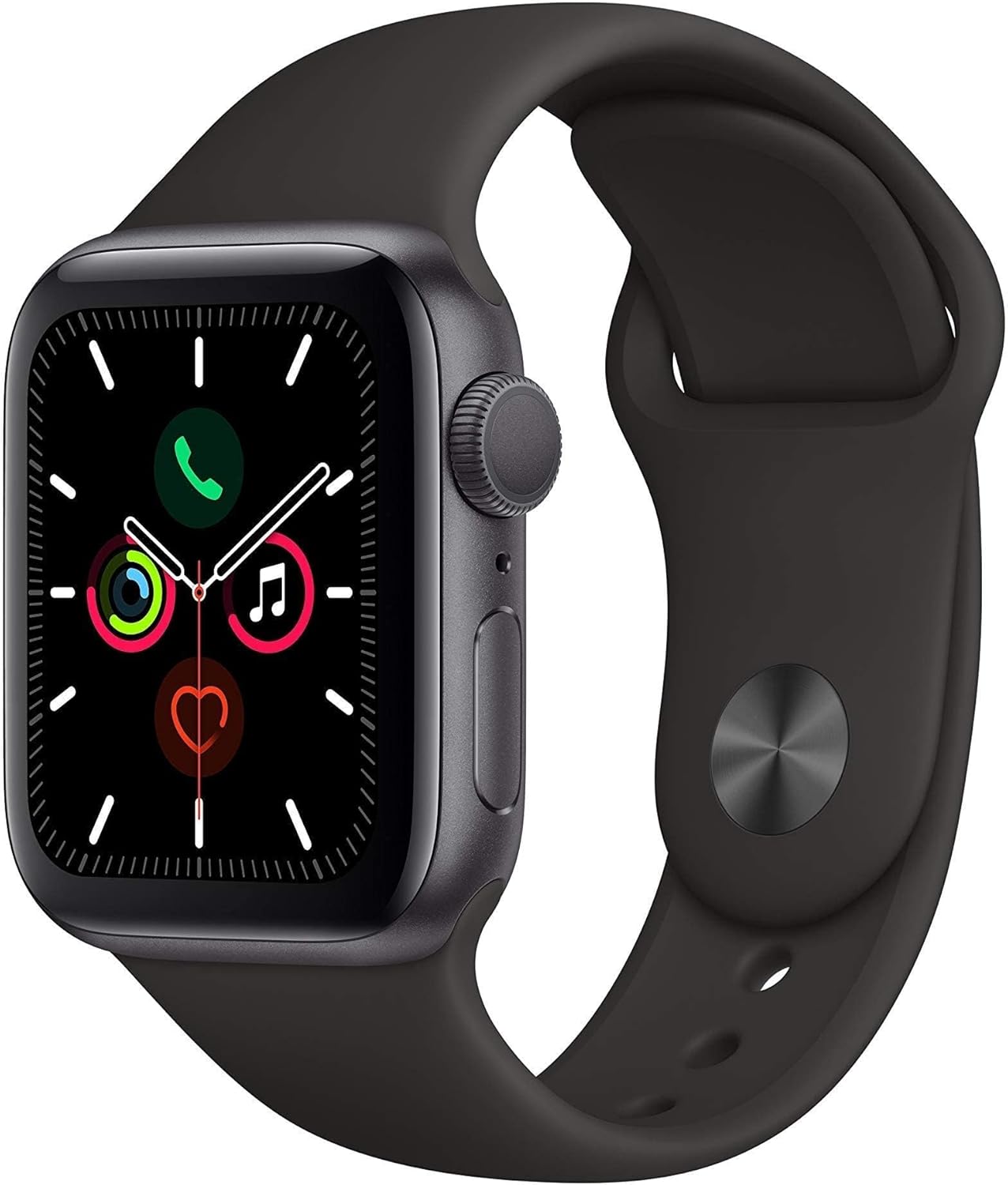
Apple Watch Series 5 (GPS, 44MM) - Space Gray Aluminum Case with Black Sport Band (Renewed)
This 44mm Apple Watch Series 5 with 32GB storage and an Always-On Retina display is for iPhone users wanting core smartwatch features at an entry-plus price.

Fitbit Inspire 3 Health &-Fitness-Tracker with Stress Management, Workout Intensity, Sleep Tracking, 24/7 Heart Rate and more, Midnight Zen/Black One Size (S & L Bands Included)
A 0.76-inch color touchscreen tracker with up to 10-day battery life, focused on basic health metrics and sleep, for those prioritizing comfort over advanced smartwatch features.

Wepro Band Compatible with Fitbit Versa 2 Bands for Women Men, Soft Band Compatible with Fitbit Versa Bands, Sport Waterproof Breathable Replacement Wristband Strap for Versa Lite, Large, Black, 1 Pack
This is a soft elastomer replacement band for Fitbit Versa, Versa 2, and Versa Lite, available in two sizes and multiple colors.