
Garmin Forerunner 165, Running Smartwatch, Colorful AMOLED Display, Training Metrics and Recovery Insights, Black
Want the best price and purchase timing?
Our AI advisor analyzes real-time pricing across all channels to find you the best deal.
AI Verdict
This is a 43mm running smartwatch with a 1.2-inch AMOLED display and 19 hours of GPS battery life, best for runners prioritizing a bright screen and core metrics over advanced training load features.
This watch fits well for dedicated runners who prioritize a vibrant AMOLED display and core running metrics, along with basic health tracking. Its 43mm size and lightweight design make it comfortable for continuous wear. However, the absence of advanced training metrics and multisport modes means it won't satisfy athletes with more complex training needs.
If you need advanced training metrics like Training Status and Training Load, look for a Garmin Forerunner model with those features explicitly listed.
Regret Score™
Low RiskLower is better — measures purchase-regret risk from real buyer complaints, review credibility, and product maturity
Issues discovered after purchase
Critically weak dimension
Amazon rating vs actual quality
Chance this product isn't for you
Pros
- The 1.2-inch AMOLED display is bright and clear, making it easy to read during runs and even while swimming.
- It's lightweight and compact at 43mm, making it comfortable for all-day wear and sleep tracking.
- GPS accuracy is reported as consistent for running, even without dual-band GPS, and comparable to higher-end models in most environments.
- Heart rate tracking is generally accurate, especially during runs.
- The combination of a touchscreen and five physical buttons provides intuitive control during workouts.
- Includes essential health and recovery insights like HRV status, sleep tracking, stress, and Body Battery.
Cons
- It lacks advanced training metrics such as Training Status, Training Readiness, and Training Load, which are present in more expensive Garmin models.
- There is no dedicated multisport or triathlon mode, requiring manual switching between activities.
- Heart rate accuracy can be inconsistent during certain gym activities, particularly when gripping equipment, sometimes registering half the actual rate.
- It does not support external cycling power meters.
- Battery life drops significantly to about 4 days with the always-on display mode activated and daily GPS use, compared to the stated 11 days in smartwatch mode.
Dimension Scores
The 1.2-inch AMOLED display is bright, colorful, and easy to read in various conditions, including direct sunlight and underwater.
It offers accurate GPS and heart rate tracking for running and a snappy menu system, but lacks advanced training metrics like Training Status and dual-band GPS found in higher-tier models.
With up to 11 days in smartwatch mode and 19 hours in GPS mode, it's competitive, though real-world use with always-on display and daily GPS drops it to about 4 days.
The Garmin Connect app, personalized daily suggested workouts, and adaptive training plans are robust, but it omits some higher-end Garmin training features.
Best For
- Runners who want a bright, easy-to-read AMOLED display for their workouts.
- Individuals seeking a lightweight and comfortable smartwatch for daily wear and sleep tracking.
- Users who primarily focus on running and need accurate pace, distance, and heart rate data without needing advanced physiological insights.
- Those who value Garmin's ecosystem for personalized daily suggested workouts and adaptive training plans.
Not Recommended For
- Triathletes or multisport athletes who need a single mode to track multiple activities seamlessly.
- Users who require advanced training metrics like Training Status, Training Readiness, or Training Load for detailed performance analysis.
- Cyclists who rely on external power meters for their training data.
Watch Out For
- Heart rate readings can be inaccurate during gym workouts, specifically when gripping equipment, with one user reporting readings half of their actual heart rate.
- Activating the always-on display mode reduces battery life from the stated 11 days to approximately 4 days, even with daily GPS activity.
- GPS acquisition can take around 30 seconds to connect in run mode.
- The watch lacks workout execution scores, meaning you won't get a percentage score on how well you followed a structured workout plan.
- Some users find the Garmin menu system complex and 'labyrinthine' to navigate.
Full Specifications
| GPS | Built-in GPS |
| ASIN | B0CT3SGHXL |
| Shape | Round |
| Language | Portuguese |
| Batteries | 1 Lithium Polymer batteries required. (included) |
| Department | All Ages, Unisex |
| Item Weight | 1.38 Ounces |
| Screen Size | 1.2 Inches |
| Manufacturer | Garmin |
| Special Feature | Bluetooth, Touchscreen |
| Battery Capacity | 30 Milliamp Hours |
| Operating System | GarminOS |
| Item model number | 010-02863-20 |
| Product Dimensions | 1.69 x 0.46 x 1.69 inches |
| Connectivity Technology | Bluetooth, USB, Wi-Fi |
| Memory Storage Capacity | 4 GB |
| Battery Cell Composition | Lithium Polymer |
| Standing screen display size | 1.2 Inches |
| Is Discontinued By Manufacturer | No |
| Wireless Communication Standard | Bluetooth |
What Buyers Say
Many users are stoked about the AMOLED screen, calling it a major upgrade that makes the watch much easier to read outdoors and even while swimming. The watch's lightweight and compact 43mm design also gets a lot of love for being comfortable enough to wear all day and night. While the GPS and heart rate are generally accurate for running, some users have pointed out that the heart rate can get wonky during gym sessions, especially when you're gripping weights. The biggest trade-off seems to be the absence of advanced training metrics like Training Status and Training Readiness, which some Garmin veterans miss.
“Honestly, I love the screen, it's so much easier to see my pace when I'm actually running, but I really wish it had the training readiness like my old one, feels like I'm guessing sometimes.”
Common Praise
- The AMOLED display is super bright and clear, making it easy to see stats mid-run.
- It's really light and small on the wrist, so you barely notice it, even for sleep tracking.
- GPS tracking for running is accurate enough for most routes, even without the fancy dual-band stuff.
- The physical buttons are a lifesaver during sweaty workouts when the touchscreen is less practical.
- The recovery insights and HRV status are useful for understanding overall well-being.
- Battery life holds up for over a week with typical use if you don't use always-on display.
Common Complaints
- Heart rate monitoring can be way off in the gym, especially when holding onto equipment, sometimes showing half the actual rate.
- The battery life takes a big hit, dropping to about 4 days, if you turn on the always-on display and do daily GPS activities.
- It doesn't have advanced training metrics like Training Status or Training Readiness, which feels like a step down for some Garmin users.
- GPS can take up to 30 seconds to lock on when starting a run.
- The watch feels a bit 'plastic-like' and doesn't have the premium build quality of more expensive models.
- The menu system can be confusing and hard to navigate for some users.
Ownership Tips
- You'll probably turn off the always-on display to get more than 4 days of battery life, especially if you run daily.
- The physical buttons become your best friend during intense workouts when your fingers are sweaty or gloved.
- Even without dual-band GPS, the route tracking is surprisingly accurate for most road and trail runs.
- You'll quickly learn to ignore the heart rate data during gym strength training, as it's often unreliable when gripping weights.
- The watch is so light you'll forget you're wearing it, which is awesome for sleep tracking and all-day comfort.
Frequently Asked Questions
Does the Garmin Forerunner 165 have music storage?
Yes, if you purchase the music version of the Forerunner 165, it supports offline music playback.
Does the watch have a touchscreen and physical buttons?
Yes, the Forerunner 165 features both a colorful AMOLED touchscreen display and traditional physical button controls.
How accurate is the GPS and heart rate tracking?
GPS accuracy for running is generally reported as consistent and reliable, even without dual-band GPS. Heart rate accuracy is solid for running, but can struggle during some gym activities, especially when gripping equipment.
Can I track swimming and cycling with this watch?
Yes, the watch includes over 25 built-in activity profiles, including running, cycling, and pool swimming. However, it does not have a dedicated multisport or triathlon mode to combine these into a single activity.
What is the real-world battery life like?
While Garmin states up to 11 days in smartwatch mode, users report around 4 days of battery life with the always-on display enabled and daily GPS workouts. Without always-on display, it can last over a week.
Buying Guide
When you're looking at a running smartwatch like this, you need to think about what data actually matters to you. Are you just trying to track your runs and see your pace and distance, or do you want deep insights into your recovery and training load? The screen type also makes a huge difference; an AMOLED display like this one is super bright and colorful, which is great for at-a-glance checks, but it can eat into battery life if you keep it always on. Also, consider if you need dedicated modes for multiple sports or if running is your main thing.
screen_size: 1.2 Inches, Colorful AMOLED Display
This means your running stats, notifications, and watch face will pop with bright colors and be easy to read, even in direct sunlight, unlike older, duller screens. Think of it like upgrading from an old flip phone screen to a modern smartphone display.
Up to 11 days of battery life in smartwatch mode and up to 19 hours in GPS mode
This tells you how long the watch will last between charges. 11 days is for basic smartwatch use, but if you're using GPS for runs every day, that 19-hour GPS number is more important for how many activities you can log before needing to charge. If you use the always-on display, expect significantly less, around 4 days.
Training Metrics and Recovery Insights (e.g., HRV status, recovery time)
These features help you understand how your body is responding to training and when you need to rest. HRV status gives you a peek into your nervous system's recovery, and recovery time tells you how long until your next hard workout. It's like having a coach tell you if you're ready for another tough session or if you should take it easy.
Alternatives
If this watch doesn't quite hit the mark, look for models that specifically mention 'Training Status,' 'Training Load,' or 'Multisport Mode' if you need deeper physiological insights or triathlon tracking.
You Might Also Like

Amazon Kindle Paperwhite (16 GB) – Now with a larger display, adjustable warm light, increased battery life, and faster page turns – Black
This is a 16 GB e-reader with a 6.8” 300 ppi glare-free display and adjustable warm light, ideal for dedicated readers wanting a distraction-free experience.
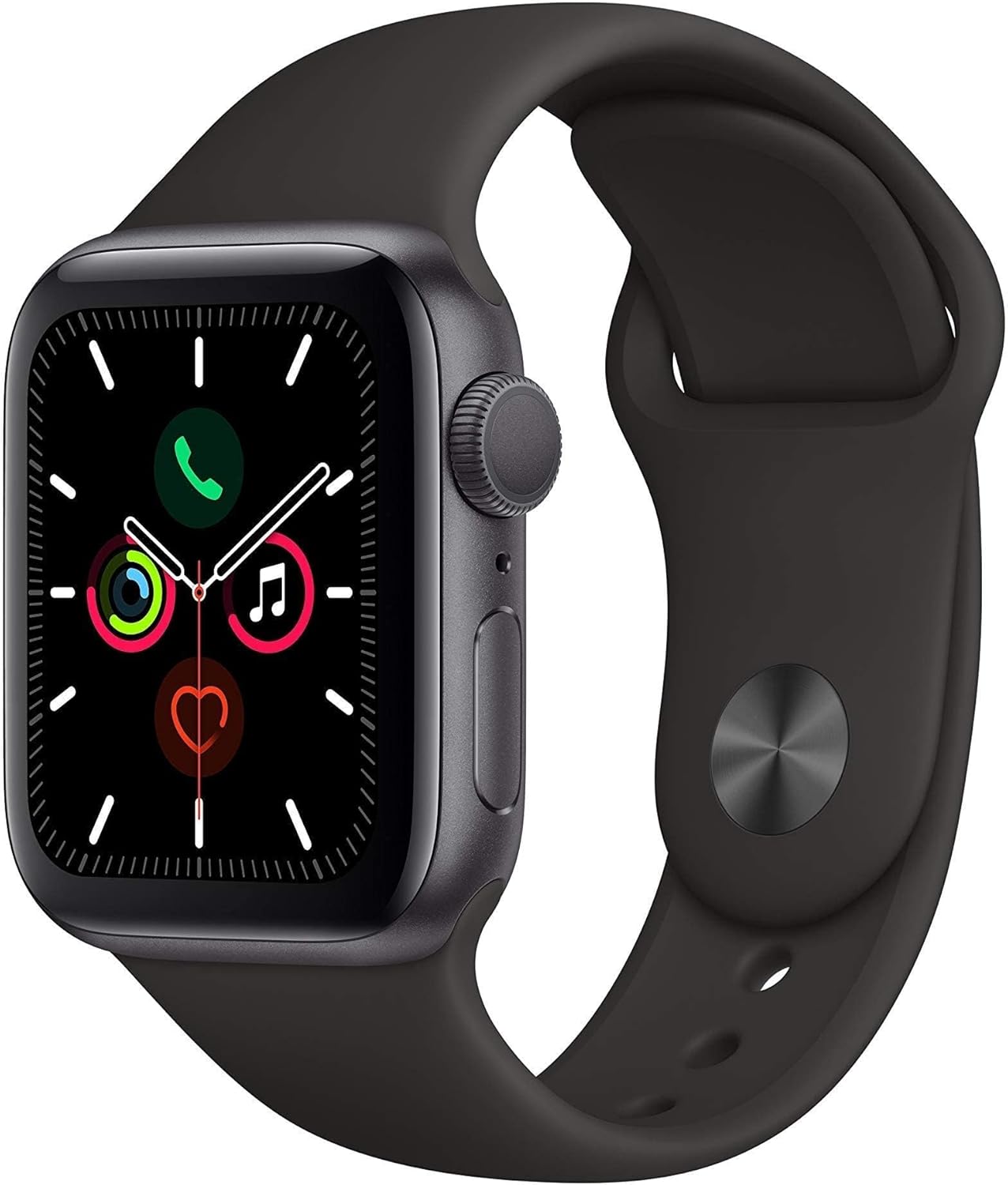
Apple Watch Series 5 (GPS, 44MM) - Space Gray Aluminum Case with Black Sport Band (Renewed)
This 44mm Apple Watch Series 5 with 32GB storage and an Always-On Retina display is for iPhone users wanting core smartwatch features at an entry-plus price.

Fitbit Inspire 3 Health &-Fitness-Tracker with Stress Management, Workout Intensity, Sleep Tracking, 24/7 Heart Rate and more, Midnight Zen/Black One Size (S & L Bands Included)
A 0.76-inch color touchscreen tracker with up to 10-day battery life, focused on basic health metrics and sleep, for those prioritizing comfort over advanced smartwatch features.

Wepro Band Compatible with Fitbit Versa 2 Bands for Women Men, Soft Band Compatible with Fitbit Versa Bands, Sport Waterproof Breathable Replacement Wristband Strap for Versa Lite, Large, Black, 1 Pack
This is a soft elastomer replacement band for Fitbit Versa, Versa 2, and Versa Lite, available in two sizes and multiple colors.