
Garmin Forerunner 265 Running Smartwatch, Colorful AMOLED Display, Training Metrics and Recovery Insights, Black and Powder Gray
Want the best price and purchase timing?
Our AI advisor analyzes real-time pricing across all channels to find you the best deal.
AI Verdict
A 1.3-inch AMOLED GPS running smartwatch with 8 GB storage and 13-day battery life, built for serious runners and triathletes who prioritize training metrics.
This smartwatch is a strong fit for its target audience due to its 1.3-inch AMOLED display, 20 hours of GPS battery life, and comprehensive training metrics like Training Readiness. It delivers advanced athletic tracking in a lightweight 46 mm package, making it ideal for dedicated runners and multisport athletes.
If you need full topographical maps or significantly longer battery life for ultra-endurance events, look for models with built-in mapping and transflective displays.
Regret Score™
Low RiskLower is better — measures purchase-regret risk from real buyer complaints, review credibility, and product maturity
Issues discovered after purchase
Critically weak dimension
Amazon rating vs actual quality
Chance this product isn't for you
Pros
- The 1.3-inch AMOLED touchscreen display is bright and crisp, remaining readable even in direct sunlight.
- Multi-band GPS acquires a signal in 2-5 seconds and maintains high accuracy in challenging environments like tree cover or urban areas.
- Offers comprehensive training metrics including Training Readiness, HRV status, daily suggested workouts, and wrist-based running power.
- Provides up to 13 days of battery life in smartwatch mode and 20 hours in GPS mode, which is above average for an AMOLED display watch.
- Features both responsive touchscreen navigation and traditional physical button controls, useful for sweaty hands or gloves.
- Includes 8 GB of storage for onboard music and supports contactless payments via Garmin Pay.
Cons
- Battery life is shorter than Garmin models with transflective MIP displays, dropping to approximately 5 days with the always-on display enabled.
- Lacks topographical maps, offering only breadcrumb navigation for routes.
- Does not include a microphone or speaker, limiting its functionality for calls or voice assistants.
- Wrist-based heart rate monitoring can be slower to adjust in real-time during high-intensity activities compared to a chest strap.
- Some users report the Garmin Connect interface can be clunky or disliked.
Dimension Scores
The 1.3-inch AMOLED display is highly praised for its brightness, vibrancy, and readability even in direct sunlight.
Multi-band GPS locks quickly and provides highly accurate tracking, while the processor handles training metrics and touchscreen input responsively.
Offering up to 13 days in smartwatch mode and 20 hours in GPS mode is above average for an AMOLED sports watch, though it's less than MIP display Garmins.
Garmin Connect provides powerful training analysis and data, but the watch lacks a mic/speaker and full maps, limiting general smartwatch utility.
Best For
- Runners and triathletes seeking detailed training and recovery insights.
- Athletes who train in varied environments and require highly accurate GPS tracking.
- Users who prefer a bright, colorful AMOLED display on a dedicated sports watch.
- Individuals who want onboard music storage and contactless payment without carrying a phone.
Not Recommended For
- Users prioritizing maximum battery life over an AMOLED display.
- Individuals who need full topographical maps on their wrist.
- Those looking for extensive smartwatch features like calls from the wrist or a voice assistant.
Watch Out For
- Enabling the always-on display reduces battery life significantly, from 13 days to around 5 days.
- The watch can be perceived as slightly bulky for continuous wear, potentially impacting comfort during sleep tracking.
- Wrist-based heart rate readings during high-intensity road biking can be shaky and less reliable than during other activities.
- Music playback can be fussy with certain headphone models, leading to choppy audio.
- Sleep tracking accuracy has been anecdotally reported as less reliable than some competitors like Fitbit.
Full Specifications
| GPS | True |
| ASIN | B0BS1T9J4Y |
| Shape | Round |
| Language | English |
| Batteries | 1 Lithium Ion batteries required. (included) |
| Department | womens |
| Item Weight | 47 Grams |
| Screen Size | 1.3 Inches |
| Manufacturer | Garmin |
| Battery Capacity | 2000 Milliamp Hours |
| Operating System | android |
| Item model number | 010-02810-00 |
| Product Dimensions | 1.81 x 1.81 x 0.51 inches |
| Connectivity Technology | Bluetooth, USB, Wi-Fi |
| Memory Storage Capacity | 8 GB |
| Battery Cell Composition | Lithium Polymer |
| Standing screen display size | 1.3 Inches |
| Wireless Communication Standard | Bluetooth |
What Buyers Say
What really stands out about the Forerunner 265 is how much of an upgrade that 1.3-inch AMOLED screen is; it makes everything pop, even when you're running in bright sun. Users are consistently stoked about how fast and accurate the multi-band GPS is, locking on in seconds and staying precise even under tree cover. The training metrics, like Training Readiness and HRV status, are a big hit for anyone serious about their workouts, giving you a clear picture of when to push it or recover. While the battery life is solid for an AMOLED, don't expect the multi-week endurance of older Garmin models if you use the always-on display.
“Okay, so I finally pulled the trigger on this after my old 245 died, and WOW, that screen is a game changer, seriously, like night and day, but man, I wish the battery lasted longer with the screen always on, it's still way better than an Apple Watch though.”
Common Praise
- The 1.3-inch AMOLED display is super bright and crisp, making stats easy to read even in direct sunlight.
- GPS accuracy is gold-standard, locking on in 2-5 seconds and staying precise in challenging environments.
- Training Readiness and other advanced metrics provide genuinely useful insights for optimizing workouts and recovery.
- The combination of physical buttons and a responsive touchscreen offers the best of both worlds for navigation.
- Battery life is surprisingly good for an AMOLED watch, often lasting over a week with regular GPS use.
- It's lightweight and comfortable enough to wear all day, every day.
Common Complaints
- Battery life takes a noticeable hit when using the always-on display, dropping to about 5 days.
- The watch doesn't have built-in topographical maps, only basic breadcrumb navigation.
- Wrist-based heart rate can be slow to react or inaccurate during very high-intensity efforts or specific activities like road biking.
- Some users find the Garmin Connect app interface less intuitive or enjoyable than other platforms.
- It lacks a speaker and microphone, so you can't take calls or use a voice assistant from the watch.
- Certain headphones can cause choppy music playback when connected to the watch.
Ownership Tips
- The AMOLED screen makes a huge difference for daily wear, not just during workouts, making it feel more like a modern smartwatch.
- Even with the always-on display, you can still get 4-5 days of battery life, which is still better than many non-Garmin smartwatches.
- The physical buttons are still super useful, especially when your fingers are sweaty or you're wearing gloves, even with the touchscreen.
- The Training Readiness metric actually helps you decide if you should push hard or take it easy, which is surprisingly effective.
- The USB-C charging cable is a small but welcome upgrade from older Garmin models.
Frequently Asked Questions
Does the Garmin Forerunner 265 have a touchscreen?
Yes, it features a responsive AMOLED touchscreen display, alongside traditional button controls.
Can I store music on the Forerunner 265?
Yes, the watch has 8 GB of internal storage, allowing you to store music directly on the device for phone-free listening.
How long does the battery last on the Forerunner 265?
It offers up to 13 days in smartwatch mode and up to 20 hours in GPS mode. With the always-on display, battery life typically drops to about 5 days.
Does this watch have maps for navigation?
No, the Forerunner 265 does not support full topographical maps, but it does offer breadcrumb navigation for routes.
Is the Forerunner 265 waterproof for swimming?
Yes, it has 30+ built-in activity profiles including open-water swimming, indicating it is suitable for water activities.
What is Training Readiness?
Training Readiness is a score based on your sleep quality, recovery, training load, and HRV status, indicating if you're primed for a productive workout.
Buying Guide
When you're looking at a running smartwatch like this, you're really balancing display quality, battery life, and how deep you want your training data to go. An AMOLED screen like this one looks amazing, but it usually means you'll charge it more often than a watch with a simpler, always-on display. Think about how much you care about seeing vibrant colors versus going weeks without a charge. Also, consider if you need advanced metrics like Training Readiness to guide your workouts, or if basic distance and pace tracking is enough for you.
AMOLED Display
This means you get a bright, colorful, and high-contrast screen, similar to your smartphone. It's easy to read in all lighting conditions, but it uses more battery than older, less vibrant display types.
Training Readiness
This isn't just a step counter; it's a personalized score that tells you how prepared your body is for a tough workout based on your sleep, recovery, and recent training. It's like having a coach on your wrist telling you when to push it or take a rest day.
Multi-band GPS
This is a big deal for accuracy. Instead of just one satellite system, it uses multiple, which means your tracked routes and distances are much more precise, especially in tricky areas like cities with tall buildings or dense forests.
8 GB Storage
This allows you to load music directly onto the watch. You can leave your phone at home and still listen to your playlists with Bluetooth headphones during your runs or workouts.
Alternatives
If you need significantly longer battery life and don't mind a less vibrant screen, look for watches with transflective memory-in-pixel (MIP) displays. If you require full topographical maps for navigation, consider higher-end sports watches with that specific feature.
You Might Also Like

Amazon Kindle Paperwhite (16 GB) – Now with a larger display, adjustable warm light, increased battery life, and faster page turns – Black
This is a 16 GB e-reader with a 6.8” 300 ppi glare-free display and adjustable warm light, ideal for dedicated readers wanting a distraction-free experience.
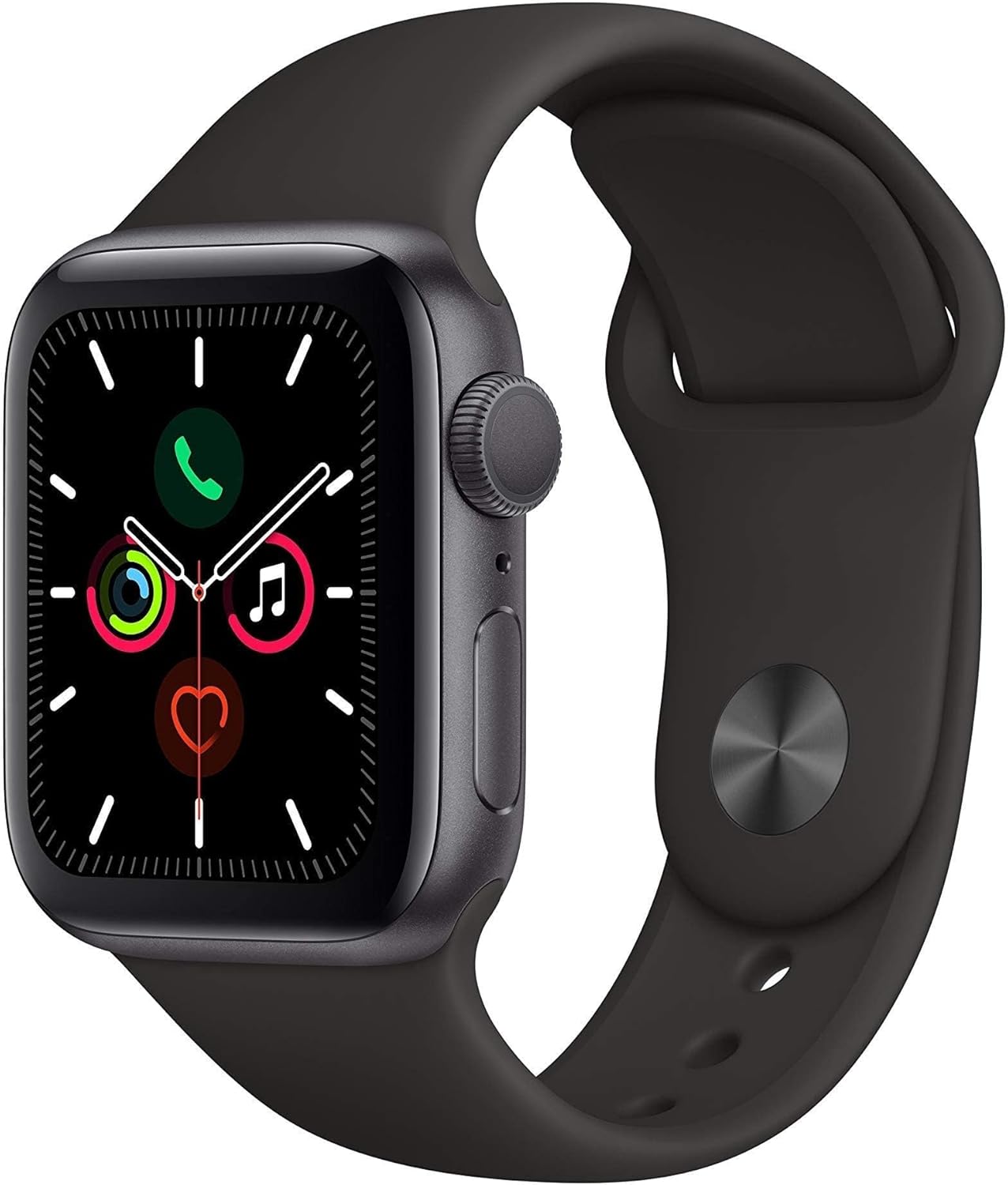
Apple Watch Series 5 (GPS, 44MM) - Space Gray Aluminum Case with Black Sport Band (Renewed)
This 44mm Apple Watch Series 5 with 32GB storage and an Always-On Retina display is for iPhone users wanting core smartwatch features at an entry-plus price.

Fitbit Inspire 3 Health &-Fitness-Tracker with Stress Management, Workout Intensity, Sleep Tracking, 24/7 Heart Rate and more, Midnight Zen/Black One Size (S & L Bands Included)
A 0.76-inch color touchscreen tracker with up to 10-day battery life, focused on basic health metrics and sleep, for those prioritizing comfort over advanced smartwatch features.

Wepro Band Compatible with Fitbit Versa 2 Bands for Women Men, Soft Band Compatible with Fitbit Versa Bands, Sport Waterproof Breathable Replacement Wristband Strap for Versa Lite, Large, Black, 1 Pack
This is a soft elastomer replacement band for Fitbit Versa, Versa 2, and Versa Lite, available in two sizes and multiple colors.