
Garmin Forerunner 55, GPS Running Watch with Daily Suggested Workouts, Up to 2 Weeks of Battery Life, Black - 010-02562-00
Want the best price and purchase timing?
Our AI advisor analyzes real-time pricing across all channels to find you the best deal.
AI Verdict
This is a 1.04-inch transflective MIP display running watch with 20 hours of GPS battery life, designed for new runners who prioritize basic tracking over advanced smartwatch features.
This watch is a strong fit for its intended audience of new or casual runners who need reliable GPS tracking and basic training guidance without a high price tag. Its 20-hour GPS battery life and personalized daily suggested workouts directly address the core needs for consistent running. However, its older display technology and lack of advanced metrics make it a situational fit for those with higher expectations for data or smartwatch features.
If you need more detailed performance metrics and a more modern display, look for watches with AMOLED screens and newer generation heart rate and GPS sensors.
Regret Score™
Medium RiskLower is better — measures purchase-regret risk from real buyer complaints, review credibility, and product maturity
Issues discovered after purchase
Critically weak dimension
Amazon rating vs actual quality
Chance this product isn't for you
Pros
- Offers up to 20 hours of GPS battery life, allowing for extended tracking during activities.
- Provides personalized daily suggested workouts and PacePro for race day strategy guidance.
- Features button-based controls that remain reliable even when hands are sweaty or moving.
- Weighs 37g, making it lightweight and comfortable for small to average wrists during runs.
- Includes built-in GPS to track distance, pace, and location without needing a phone.
- Monitors heart rate at the wrist, providing basic activity intensity data.
Cons
- The 1.04-inch transflective MIP display has a 208 x 208 pixel resolution, which users describe as lower quality and less vibrant compared to newer models.
- Lacks advanced training metrics like HRV, Training Effect, Running Dynamics, or a sleep score.
- The wrist-based heart rate monitor can be inaccurate, especially at the start of a workout.
- Does not offer music storage or the ability to reply to notifications or take calls directly from the watch.
- Uses an older GPS chipset, which some users report is less accurate than those in more modern watches.
Dimension Scores
The 1.04-inch transflective MIP display with 208 x 208 pixels is functional but described by users as 'lower quality' and 'outdated' compared to current smartwatches.
GPS tracking is reliable for basic running, and the watch provides daily suggested workouts and PacePro features. However, it uses an older GPS chipset and lacks advanced performance metrics found in higher-end models.
With up to 2 weeks in smartwatch mode and 20 hours in GPS mode, users consistently praise its long battery life, often getting 1.5 weeks with regular workouts.
It integrates well with the Garmin Connect app for data analysis and training plans, but its smartwatch features are limited to notifications and phone music control, lacking advanced two-way communication or app support.
Best For
- New runners seeking a dedicated device for basic run tracking and pace guidance.
- Individuals upgrading from a basic fitness tracker to a more focused running watch with GPS.
- Runners who prefer button-based controls over touchscreens during activities.
- Users prioritizing long battery life for GPS-tracked activities over advanced display technology.
Not Recommended For
- Athletes needing advanced performance analytics, such as HRV or detailed training load metrics.
- Users expecting a vibrant, high-resolution AMOLED display for a smartwatch experience.
- Anyone who requires on-device music storage or extensive two-way communication features from their wrist.
- Runners who demand the most precise GPS and heart rate data for competitive training.
Watch Out For
- The heart rate monitor is often 'way off' at the beginning of a workout, sometimes showing a resting rate when active.
- The GPS chipset is described as 'older' and 'less accurate' compared to newer models like the Forerunner 255 or Coros Pace 3.
- The display is a 208 x 208 pixel transflective MIP, which users note is 'lower quality' and 'not vibrant' compared to modern smartwatches.
- Sleep tracking is basic and 'didn't really realize when I was asleep and when I was awake,' sometimes boosting body battery while sitting on the couch.
- The watch cannot record hiking, only walking, which limits its utility for some outdoor activities.
Full Specifications
| OS | Android Wear |
| GPS | Built-in GPS |
| ASIN | B092RCLKHN |
| Brand | Garmin |
| Color | Black |
| Language | Spanish |
| Map Type | North America |
| Batteries | 1 Lithium Polymer batteries required. (included) |
| Department | unisex-adult |
| Model Name | GRFR55BL |
| Item Weight | 1.31 ounces |
| Screen Size | 1.04 Inches |
| Battery Life | 20 Hours |
| Manufacturer | Garmin |
| Mounting Type | Wrist Mount |
| Special Feature | Bluetooth |
| Special features | Bluetooth |
| Whats in the box | Forerunner 55; Power/Data Cable; Documentation |
| Item model number | 010-02562-00 |
| Display resolution | 208 x 208 |
| Product Dimensions | 1.65 x 1.65 x 0.46 inches |
| Scanner Resolution | 208 pixels |
| Included Components | Forerunner 55; Power/Data Cable; Documentation |
| Vehicle Service Type | Car |
| Human Interface Input | Buttons |
| Other display features | Wireless |
| Connectivity Technology | Bluetooth |
| Connectivity technologies | Bluetooth |
| Wireless communication technologies | Bluetooth |
What Buyers Say
Many users upgrading from other brands or basic trackers find the Forerunner 55 to be a significant step up, particularly for its dedicated running features. The button-based interface is a consistent highlight for its reliability during workouts, and the battery life often exceeds expectations, lasting well over a week with regular GPS use. However, the display quality is a frequent point of contention, with users noting its lack of vibrancy and lower resolution compared to more modern wearables. The accuracy of the wrist-based heart rate monitor also receives mixed feedback, with some experiencing significant discrepancies at the start of runs.
“Look, I just needed something to track my runs and not die after two days. This thing actually does that, but man, that screen is straight out of 2010. My old Fitbit had a better display, but at least this one actually tracks my miles right.”
Common Praise
- The button-based controls are reliable and easy to use, even with sweaty hands during a run.
- Battery life is consistently reported as long, often lasting 1.5 weeks with multiple workouts per week.
- The watch is lightweight (37g) and comfortable to wear, even for extended periods or on smaller wrists.
- GPS tracking is generally accurate enough for basic run distance and pace monitoring.
- Daily suggested workouts and PacePro features provide helpful guidance for training.
- The Garmin Connect app offers useful information and helps understand health and fitness data.
Common Complaints
- The 208 x 208 pixel transflective MIP display is not vibrant and appears 'outdated' compared to newer smartwatches.
- The wrist-based heart rate monitor can be inaccurate, especially at the beginning of a workout.
- It lacks advanced training metrics like HRV, Training Effect, or a sleep score, which are available on higher-end models.
- The GPS chipset is older, leading to potentially less precise tracking than watches with newer technology.
- Sleep tracking is basic and doesn't always accurately differentiate between being awake and asleep.
- No music storage on the device; only controls phone music playback.
Ownership Tips
- The transflective display, while not vibrant, is surprisingly readable in direct sunlight during outdoor runs.
- The physical buttons are a huge plus for usability when hands are sweaty or wet, avoiding accidental touches common with touchscreens.
- Real-world battery life often matches or exceeds the 1.5-week estimate, even with frequent GPS use, making it easy to forget about charging for a while.
- The watch's lightweight design (37g) means it's barely noticeable on the wrist, even during long runs or while sleeping.
- While it lacks advanced metrics, the basic data provided through Garmin Connect is sufficient for understanding general fitness trends for a casual runner.
Frequently Asked Questions
Does the Forerunner 55 have music storage?
No, the Forerunner 55 does not have internal music storage. It can control music playback on your connected smartphone via Bluetooth.
Can I reply to texts or answer calls on this watch?
No, while you can receive notifications for texts and calls when connected to your phone via Bluetooth, you cannot reply to messages or answer calls directly from the Forerunner 55.
How accurate is the GPS for running?
The built-in GPS is generally considered reliable for tracking distance and pace, especially for basic running needs. However, some users note it uses an older chipset which may be less accurate than newer, more expensive models.
Does it track sleep and provide a sleep score?
The Forerunner 55 tracks sleep, but it does not provide a detailed sleep score or advanced sleep insights like newer Garmin models.
Is the screen color or black and white?
The watch features a transflective memory-in-pixel (MIP) display, which is described as a color screen, but it is not as vibrant or high-resolution as AMOLED displays found on more premium smartwatches.
Buying Guide
When looking at a running watch like the Forerunner 55, you're buying a tool primarily for tracking your runs and providing basic fitness insights, not a full-fledged smartwatch. Focus on how well it tracks distance and pace, its battery life with GPS active, and if its training features align with your goals. Don't expect a 'smartwatch' experience with a vibrant screen or extensive app support; this is about function over flash.
GPS Battery Life (20 hours)
This tells you how long the watch can actively track your location during a run before needing a charge. For example, 20 hours means you could track multiple long runs or even an ultramarathon without worrying about the battery dying mid-activity.
Wrist-based Heart Rate
This sensor measures your heart rate directly from your wrist. It's convenient because you don't need a chest strap, but wrist-based sensors can sometimes be less accurate, especially during intense or varied movements, which can impact the reliability of calorie burn and training zone data.
Transflective MIP Display (1.04 Inches)
This type of screen uses ambient light to become more visible, making it easy to read outdoors in bright sunlight without draining much battery. However, it won't be as bright or colorful as the screens on your smartphone or more expensive smartwatches, which rely on backlighting.
Alternatives
If this watch doesn't quite cut it, look for models with AMOLED displays for better screen quality, multi-band GPS for improved accuracy, and advanced physiological metrics like HRV or training readiness for deeper performance insights.
You Might Also Like

Amazon Kindle Paperwhite (16 GB) – Now with a larger display, adjustable warm light, increased battery life, and faster page turns – Black
This is a 16 GB e-reader with a 6.8” 300 ppi glare-free display and adjustable warm light, ideal for dedicated readers wanting a distraction-free experience.
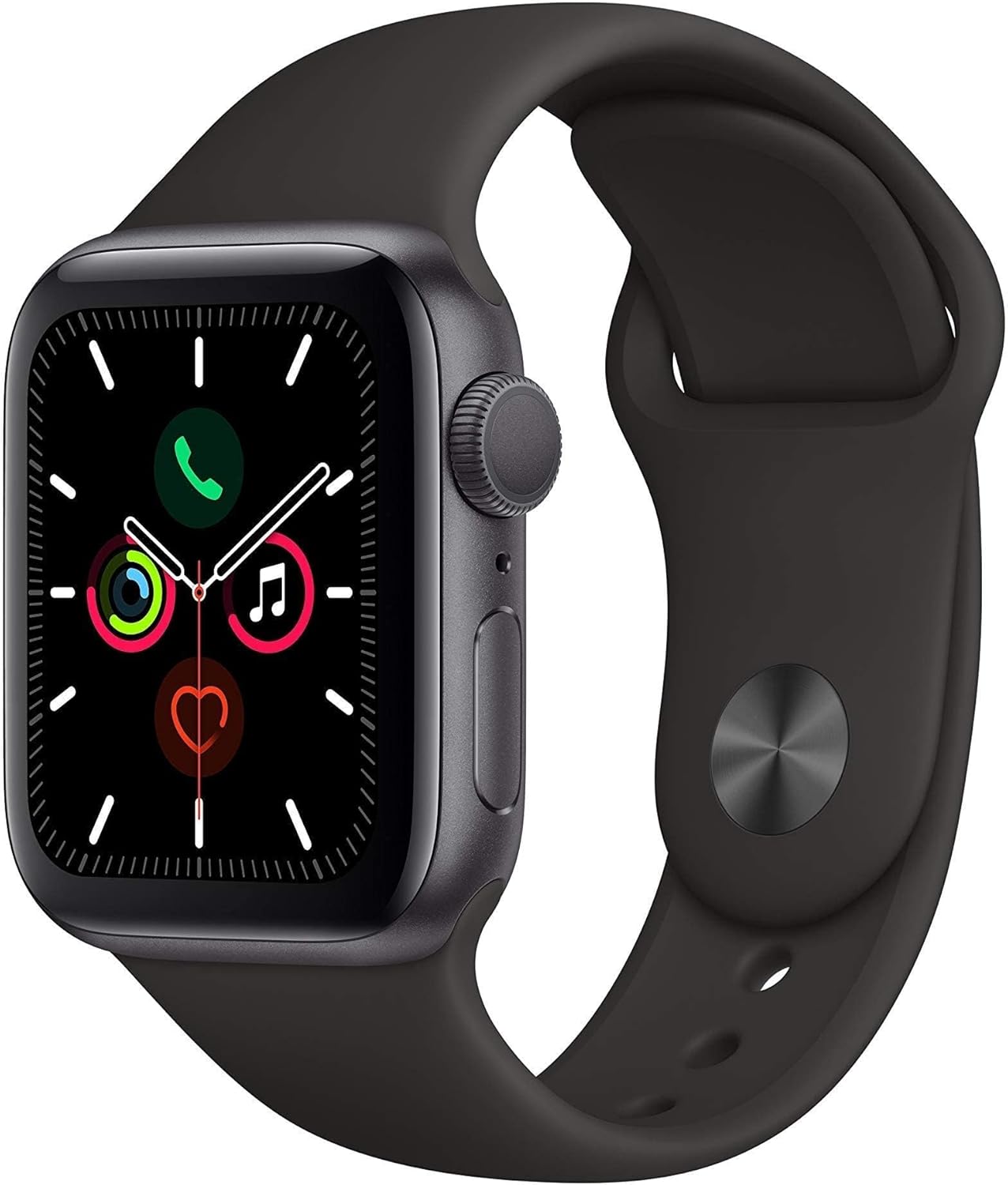
Apple Watch Series 5 (GPS, 44MM) - Space Gray Aluminum Case with Black Sport Band (Renewed)
This 44mm Apple Watch Series 5 with 32GB storage and an Always-On Retina display is for iPhone users wanting core smartwatch features at an entry-plus price.

Fitbit Inspire 3 Health &-Fitness-Tracker with Stress Management, Workout Intensity, Sleep Tracking, 24/7 Heart Rate and more, Midnight Zen/Black One Size (S & L Bands Included)
A 0.76-inch color touchscreen tracker with up to 10-day battery life, focused on basic health metrics and sleep, for those prioritizing comfort over advanced smartwatch features.

Wepro Band Compatible with Fitbit Versa 2 Bands for Women Men, Soft Band Compatible with Fitbit Versa Bands, Sport Waterproof Breathable Replacement Wristband Strap for Versa Lite, Large, Black, 1 Pack
This is a soft elastomer replacement band for Fitbit Versa, Versa 2, and Versa Lite, available in two sizes and multiple colors.