
Yale Security Assure Lock 2 Deadbolt, Satin Nickel Keyed Smart Entry Door Lock with Wi-Fi Connected Keypad for Code Entry and Remote Access, YRD410-WF1-619
Want the best price and purchase timing?
Our AI advisor analyzes real-time pricing across all channels to find you the best deal.
AI Verdict
This Wi-Fi deadbolt with keypad and app control is for homeowners wanting remote access and auto-locking without complex installation.
This lock is a situational fit because its built-in Wi-Fi and app control offer robust remote management and convenience for many, but recurring user complaints about inconsistent auto-lock/unlock and battery drain mean it's not a set-it-and-forget-it solution for everyone. The physical installation is easy, but software quirks can be frustrating.
If consistent auto-unlock and minimal battery maintenance are critical, look for models with alternative power sources or more robust geo-fencing algorithms.
Regret Score™
Low RiskLower is better — measures purchase-regret risk from real buyer complaints, review credibility, and product maturity
Issues discovered after purchase
Critically weak dimension
Amazon rating vs actual quality
Chance this product isn't for you
Pros
- Built-in Wi-Fi and Bluetooth allow remote control and monitoring via the Yale Access App from anywhere.
- Installation is straightforward, replacing most standard deadbolts with just a screwdriver, requiring no locksmith.
- Features like Auto-Lock with DoorSense and Auto-Unlock provide hands-free convenience and peace of mind about door status.
- Multiple access methods include keypad, smartphone app, Apple Watch, and voice assistants like Alexa and Google Assistant.
- The lock is constructed from metal and zinc, with an IPX5 rating for weather resistance, suitable for outdoor conditions.
- Two-factor authentication and matte keypads enhance security by resisting fingerprint smudges.
Cons
- Battery life is a common concern, with users reporting 2-3 months or even 45-60 days on 4 AA batteries, potentially leading to frequent changes.
- The Auto-Lock feature has been reported to occasionally disable itself, requiring manual re-enabling for reliable operation.
- Auto-Unlock functionality, particularly when relying on geolocation, can be unreliable, with one user reporting it worked only 30% of the time.
- Wi-Fi connectivity is limited to 2.4 GHz networks, and some users experienced initial setup issues requiring the smart module to be fully seated.
- The keypad requires pressing a specific button to activate, which some users find less intuitive than a tap-anywhere design.
Dimension Scores
DoorSense accurately detects door closure for Auto-Lock, but Auto-Unlock via geolocation is reported to be inconsistent, sometimes working only 30% of the time.
Built-in Wi-Fi and Bluetooth provide direct remote access without a separate hub, but Wi-Fi is limited to 2.4 GHz and some users reported initial setup issues.
The Yale Access App offers comprehensive control, notifications, and code management, with broad compatibility for Alexa, Google Assistant, and Apple HomeKit.
Constructed from metal and zinc with an IPX5 weather resistance rating, it's designed to withstand temperatures from -22 to 140°F.
Best For
- Homeowners needing remote access to grant entry or check door status from anywhere.
- Individuals seeking hands-free entry and automatic locking for daily convenience.
- Properties like short-term rentals or Airbnbs where managing temporary access codes is frequent.
- Users who want smart home integration with voice assistants like Alexa, Google Assistant, or Apple HomeKit.
Not Recommended For
- Users who are sensitive to frequent battery replacements or prefer a smart lock with longer battery endurance.
- Anyone requiring absolutely flawless and consistent geo-fencing for auto-unlock, as user experiences vary.
- Those who prefer a completely key-free system without the option of a physical backup key.
Watch Out For
- The Auto-Lock feature can mysteriously turn itself off after some time, requiring users to re-enable it, which means you can't rely on it always being active.
- Battery life is often shorter than expected, with some users reporting needing to change the 4 AA batteries every 45-60 days, rather than the advertised 2-3 months.
- Initial Wi-Fi setup can be finicky; one user resolved connection issues by ensuring the smart module was fully pressed into its slot.
- The auto-unlock feature, which uses your phone's location, has been reported to work inconsistently, sometimes only engaging 30% of the time.
- Some users reported 'constant low battery warnings' even when batteries were relatively new, leading to unnecessary replacements.
Full Specifications
| UPC | 081023091008 |
| ASIN | B0B9HZRC7X |
| Size | Wi-Fi- 2nd Gen |
| Brand | Yale Security |
| Color | Satin Nickel |
| Shape | Rectangular |
| Style | Wi-Fi |
| Finish | Brushed |
| Pattern | Keypad - With Key |
| Material | Metal, Zinc |
| Batteries | 4 AA batteries required. (included) |
| Lock Type | Deadbolt, Keypad |
| Model Name | Yale Assure Lock 2 with Wi-Fi |
| Finish Type | Brushed |
| Item Weight | 1 pounds |
| Part Number | YRD410-WF1-619 |
| Manufacturer | Yale |
| Control Method | App, Voice |
| Controller Type | Amazon Alexa, Android, Apple HomeKit, Google Assistant, iOS |
| Special Feature | Auto-Lock, Auto-Unlock, Battery Indicator, Passcode Unlock, Wi-Fi |
| Number of Pieces | 1 |
| Special Features | Auto-Lock, Auto-Unlock, Battery Indicator, Passcode Unlock, Wi-Fi |
| Battery Cell Type | Alkaline |
| Item model number | YRD410-WF1-619 |
| Product Dimensions | 0.88 x 2.5 x 4.88 inches |
| Batteries Included? | Yes |
| Batteries Required? | Yes |
| Included Components | Yale Assure Lock 2, Wi-fi Smart Module, Deadbolt, Latch Plates, Mounting Hardware, One key DoorSense, Install Manual |
| Warranty Description | Lifetime limited warranty on Finish and Mechanical. One year on Electronics |
| Connectivity Protocol | Bluetooth, Wi-Fi |
| Item Package Quantity | 1 |
| Item dimensions L x W x H | 0.88 x 2.5 x 4.88 inches |
| Recommended Uses For Product | Entry Door, Front Door |
What Buyers Say
The biggest surprise is how often users complain about the Auto-Lock feature randomly disabling itself, making its reliability questionable for security-conscious homeowners. While installation is generally quick, some users hit snags with Wi-Fi setup, needing to reseat the internal module. Battery life is a recurring pain point, frequently falling short of expectations, with some needing new AA batteries every month or two. Despite these frustrations, the remote access and multiple entry options through the app are consistently praised.
“Ugh, this thing is driving me nuts with the battery warnings every month, and the auto-lock just decides to quit sometimes, but I guess it's still better than hiding a key under the mat.”
Common Praise
- The physical installation is quick and easy, often completed in about 20 minutes with just a screwdriver.
- Remote locking and unlocking via the Yale Access App works reliably from anywhere with Wi-Fi connectivity.
- The ability to create and manage multiple entry codes for different users is very convenient.
- Compatibility with voice assistants like Alexa, Google Assistant, and Apple HomeKit provides flexible control options.
- The physical key backup is a reassuring feature for battery failures or tech glitches.
- The lock's metal construction feels sturdy and durable.
Common Complaints
- The Auto-Lock feature can unexpectedly turn off, leading to concerns about the door being left unlocked.
- Battery life is shorter than expected for many, often requiring new AA batteries every 45-60 days.
- Auto-Unlock based on geolocation is inconsistent and unreliable for some users, failing to engage frequently.
- Initial Wi-Fi pairing can be problematic, sometimes requiring troubleshooting like reseating the internal module.
- The keypad requires pressing a specific button to activate, which some users find less intuitive than a tap-anywhere design.
- Some users report 'constant low battery warnings' even when batteries are not fully depleted.
Ownership Tips
- Expect to change the 4 AA batteries more frequently than advertised, especially if you use Wi-Fi features heavily.
- Periodically check the Yale Access App to ensure the Auto-Lock feature hasn't mysteriously disabled itself.
- If Wi-Fi setup is difficult, ensure the internal smart module is firmly seated; this often resolves connectivity issues.
- Don't solely rely on the Auto-Unlock feature if precise, consistent geo-fencing is critical for your entry routine.
- The physical key backup is genuinely useful and will likely be needed more often than you'd think for battery-related issues.
Frequently Asked Questions
Does this lock work with Apple HomeKit?
Yes, the Yale Assure Lock 2 with Wi-Fi is compatible with Apple HomeKit, as well as Amazon Alexa and Google Assistant, allowing for voice control and smart home integration.
What kind of batteries does it use and how long do they last?
It uses 4 AA batteries. User experiences vary, with some reporting 2-3 months of life, while others see closer to 45-60 days, especially with frequent Wi-Fi use.
What happens if the batteries die?
If the batteries die, you can use the physical backup key to enter. For key-free models, there are terminals on the bottom where you can touch a 9-volt battery to temporarily power the lock and enter your code.
Is professional installation required?
No, the lock is designed for DIY installation, replacing most standard US entry door deadbolts using only a screwdriver. Many users found the installation process straightforward.
Does it support 5 GHz Wi-Fi?
No, this product only works on 2.4 GHz Wi-Fi networks.
Can I share temporary access codes?
Yes, you can easily create and share custom entry codes for family members, friends, or service providers through the Yale Access App.
Buying Guide
When buying a smart deadbolt, you need to think about how you actually want to unlock your door and how often you're willing to deal with batteries. Built-in Wi-Fi means you can control it from anywhere, but it often drains batteries faster. Check if it integrates with your existing smart home setup, like Alexa or HomeKit, so everything talks to each other. Also, consider if you need a physical key backup, because smart locks can have their off days.
Connectivity (Wi-Fi, Bluetooth)
This determines how your lock talks to your phone and smart home. Wi-Fi lets you control it from anywhere in the world, like letting a friend in while you're at work. Bluetooth only works when you're close to the door, which is faster for daily use but limits remote control.
Auto-Lock and DoorSense
Auto-Lock automatically secures your door after a set time, so you don't have to remember. DoorSense is a sensor that tells the lock if the door is actually closed, preventing it from trying to lock an open door and giving you accurate status updates.
Battery Life & Type
Smart locks run on batteries, and how long they last impacts your maintenance. Longer battery life means fewer replacements, which is a big deal if you don't want to be swapping AAs every couple of months. Also, check the battery type for ease of replacement.
Keypad & Access Methods
A keypad lets you use codes, which is handy for guests or if your phone dies. Multiple access methods (app, voice, key) give you options, so you're never locked out. Think about who needs access and how they'll prefer to get in.
Alternatives
If battery life is a top concern, look for smart locks that use Z-Wave or Zigbee with a separate hub, as these protocols are generally more power-efficient. For more reliable geo-fencing, research models with advanced location-based algorithms or consider a lock that integrates with a robust home automation platform.
You Might Also Like

Ring Wired Doorbell Elite (newest model), Native Power over Ethernet, Retinal 4K video, Remote Gate Access, 10x Enhanced Zoom, and Low-Light Sight
$300-$599A 4K PoE doorbell with 10x zoom and remote gate control, built for properties needing robust, wired security and advanced motion detection.

Blink Doorbell Mount, 2nd Gen Anti-Theft Blink Doorbell Camera Mount No Drilling with Rain Cover, Fit for Blink Video Doorbell 1st & 2nd Gen, No Block Sensor & Night Vision
$0-$49This is a no-drilling, anti-theft mount with a rain cover designed for Blink Video Doorbells (1st and 2nd Gen) on inward-opening doors 0.8-1.9 inches thick.
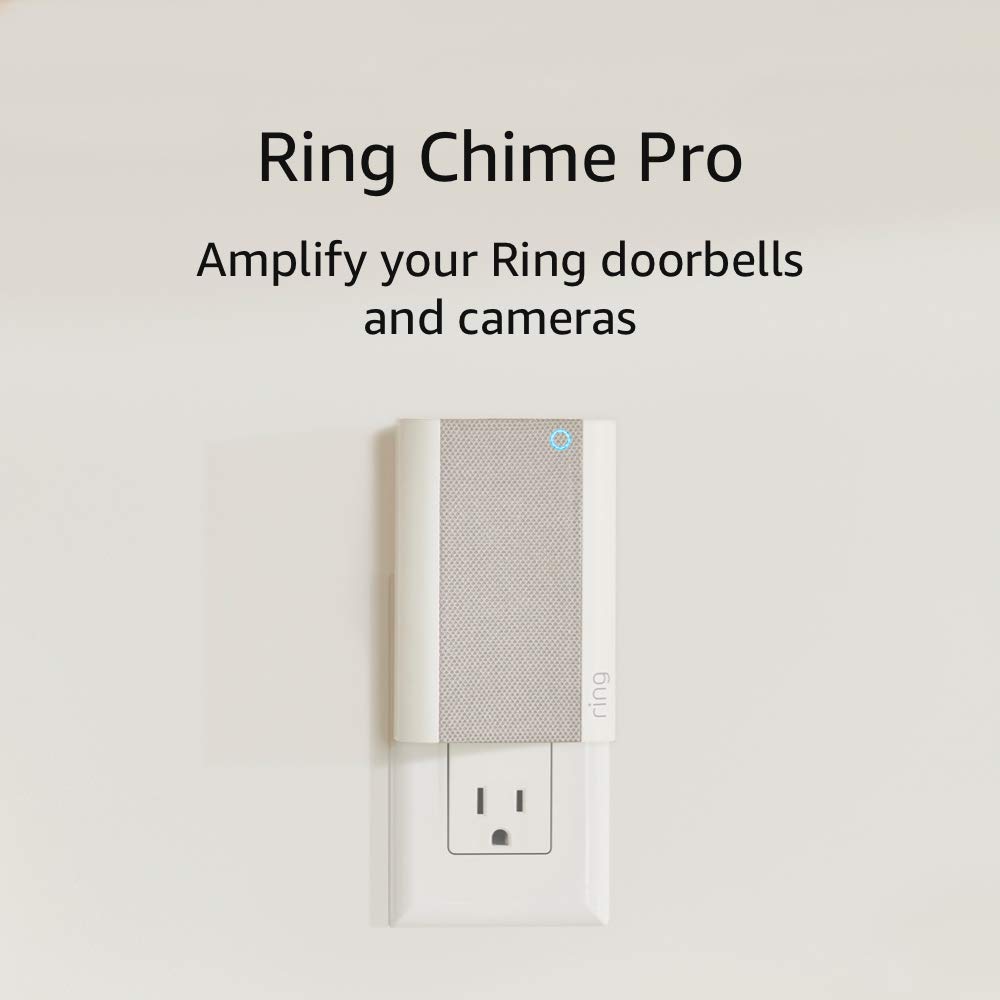
Ring Chime Pro
A plug-in chime and Wi-Fi extender for Ring devices, it provides audible alerts and a limited 2000 sq. ft. signal boost for Ring cameras and doorbells.
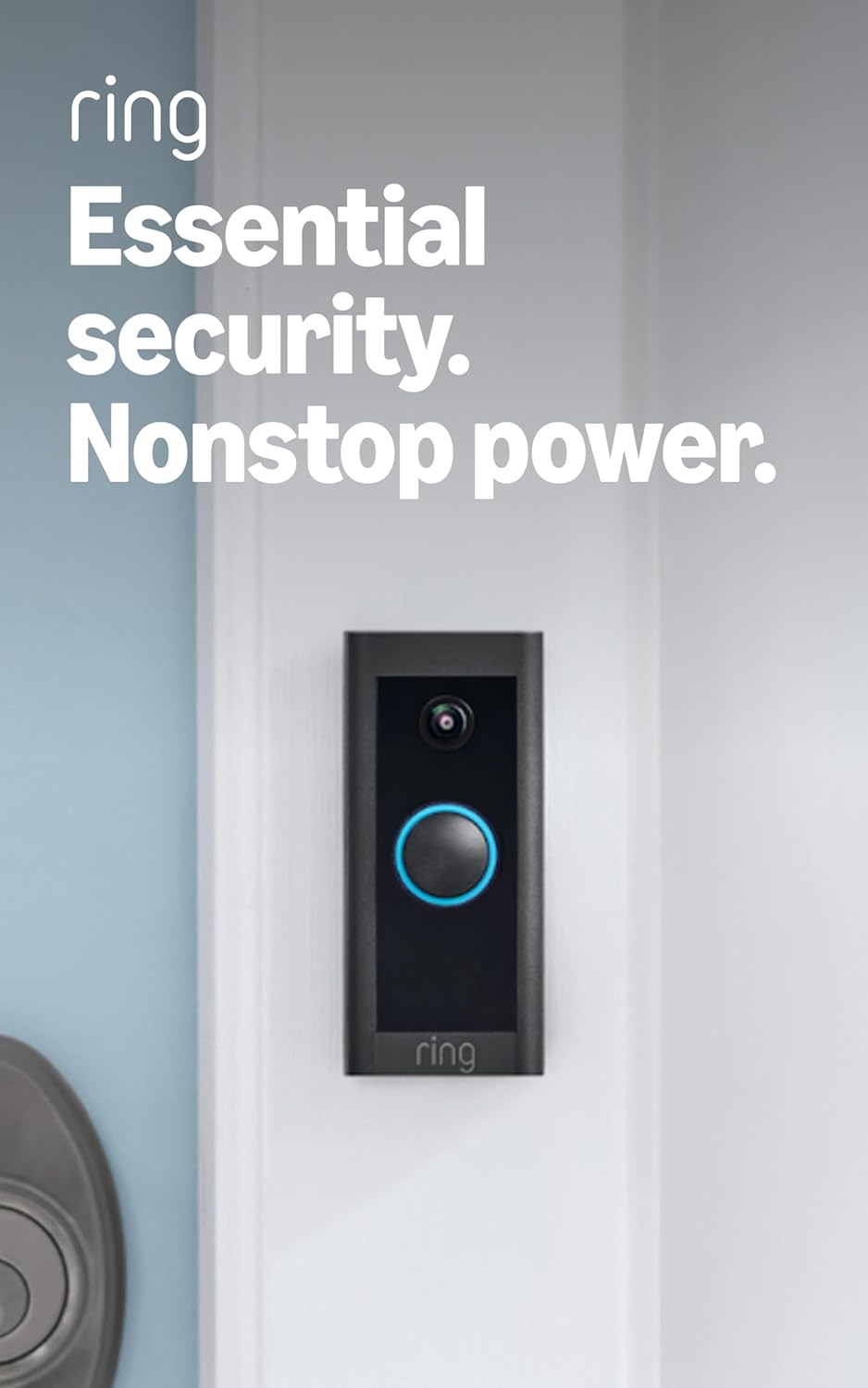
Ring Video Wired Doorbell (newest model), Home or business security, Two-Way Talk, advanced motion detection, HD camera and real-time alerts to monitor your front door (wiring required)
This 1080p wired doorbell delivers real-time alerts and two-way talk for front door monitoring, requiring existing wiring.