
Google Nest x Yale Lock - Tamper-Proof Smart Lock for Keyless Entry - Keypad Deadbolt Lock for Front Door - Oil Rubbed Bronze
Want the best price and purchase timing?
Our AI advisor analyzes real-time pricing across all channels to find you the best deal.
AI Verdict
A battery-powered deadbolt with an LED keypad and remote access via Nest app, best for those already invested in the Google Nest ecosystem.
The Nest x Yale Lock offers convenient keyless entry and remote management through the Nest app, which is a strong draw for users already invested in Google's smart home products. However, its reliance on Nest Connect for Wi-Fi and frequent user-reported connectivity drops make its 'smart' features unreliable for some.
If consistent remote access is critical, look for locks with built-in Wi-Fi or more robust, direct smart home hub integration to avoid reliance on a separate bridge device.
Regret Score™
High RiskLower is better — measures purchase-regret risk from real buyer complaints, review credibility, and product maturity
Issues discovered after purchase
Critically weak dimension
Amazon rating vs actual quality
Chance this product isn't for you
Pros
- Keyless entry via LED keypad for locking and unlocking
- Remote lock/unlock and guest access through the Nest app
- Customizable passcodes with scheduled access for family and guests
- Mobile alerts for door activity and tampering attempts
- Privacy Mode disables keypad entry from the outside
- Emergency 9V battery terminals provide temporary power if internal batteries are depleted
Cons
- Requires a Nest Connect for remote functionality if not using Nest Secure
- Frequent user-reported disconnections from Wi-Fi, even with Nest Connect nearby
- No physical key, relying solely on electronic access
- Interior battery cover and privacy button are made of thin plastic
- Keypad can be slow to register inputs, leading to multiple attempts if typed too quickly
- Auto-lock feature can extend the deadbolt into an open door frame, potentially causing damage
Dimension Scores
The lock provides reliable alerts for locking, unlocking, and tampering attempts, as reported by users.
Users frequently report the lock going offline and disconnecting from Wi-Fi, even when the Nest Connect is placed nearby.
It integrates seamlessly within the Nest app and with Google Assistant, but lacks compatibility with other major smart home platforms like Zigbee or HomeKit.
The exterior features a durable brass and metal construction, designed to be tamper-proof, though the interior battery cover is thin plastic.
Best For
- Existing Google Nest ecosystem users seeking integrated smart home security
- Homeowners needing remote access to grant entry or check door status
- Individuals who prefer keyless entry and managing guest access with unique codes
- Properties where a tamper-proof deadbolt with an alarm feature is a priority
Not Recommended For
- Users outside the Google Nest ecosystem requiring broad smart home platform integration
- Anyone who requires a physical key backup for entry
- Homes with weak Wi-Fi signal strength at the front door location
- Users who need immediate, lag-free remote unlocking via a smartphone app
Watch Out For
- Frequent reports of the lock going offline, even with Nest Connect close by, requiring battery removal and re-setup taking 15-20 minutes.
- No physical key, meaning if batteries die and the 9V backup fails or is unavailable, you're locked out.
- Auto-lock can extend the deadbolt into an open door frame, potentially causing damage if the door isn't fully closed.
- The interior battery cover and button are made of thin plastic, feeling less premium than the exterior.
- Keypad input can be slow to register, leading to incorrect code entries if typed too quickly.
Full Specifications
| UPC | 081023007184 |
| ASIN | B07BH6Y6LL |
| Size | 1 |
| Brand | |
| Color | Oil Rubbed Bronze |
| Shape | Oval |
| Style | Bronze |
| Finish | Oil Rubbed |
| Material | Brass, Metal |
| Batteries | 1 A batteries required. (included) |
| Lock Type | Deadbolt |
| Model Name | Nest x Yale Lock with Nest Connect |
| Finish Type | Oil Rubbed |
| Item Weight | 4 pounds |
| Part Number | RBYRD540WV0BP |
| Manufacturer | |
| Power Source | Battery-Powered |
| Display Style | LED |
| Control Method | Voice |
| Controller Type | Android, Google Assistant, iOS, nest |
| Special Feature | Alarm, Keyless |
| Number of Pieces | 3 |
| Special Features | Alarm, Keyless |
| Battery Cell Type | Lithium Ion |
| Item model number | RB-YRD540-WV-0BP |
| Product Dimensions | 4.5 x 2.59 x 0.8 inches |
| Batteries Included? | Yes |
| Batteries Required? | Yes |
| Included Components | 4 AA Batteries, Installation Guide, Mounting Hardware, Nest Connect, Nest x Yale Lock |
| Warranty Description | Two Years |
| Connectivity Protocol | Wi-Fi |
| Item Package Quantity | 1 |
| Item dimensions L x W x H | 4.5 x 2.59 x 0.8 inches |
| Recommended Uses For Product | Door |
| Is Discontinued By Manufacturer | No |
| Global Trade Identification Number | 00081023007184 |
What Buyers Say
The biggest headache for many users is the lock's tendency to constantly go offline, even when the Nest Connect is placed just a few feet away, often requiring a full reset by removing batteries. While the keyless entry and remote access are convenient, this connectivity instability undermines the 'smart' aspect for a lot of people. The lack of a physical key is a recurring concern, especially given the connectivity issues and the potential for being locked out if the 9V battery backup isn't handy.
“Honestly, this lock is a pain. It goes offline constantly, and I'm always pulling batteries to reset it. If I didn't already have Nest stuff, I'd return it and get something with a real key.”
Common Praise
- Keyless entry with the LED keypad is super convenient for daily use
- Being able to give unique passcodes to guests and set schedules for their access is a lifesaver
- The auto-lock feature provides peace of mind, ensuring the door is secured after leaving
- Privacy Mode is useful for disabling the keypad when you don't want interruptions
- Battery life often lasts over a year, so you're not constantly swapping them out
- The 9V battery terminals for emergency power are a thoughtful addition
Common Complaints
- The lock frequently disconnects from Wi-Fi, making remote control unreliable
- No physical key means you're completely reliant on the electronics, which is scary if they fail
- The interior battery cover and button feel cheap and flimsy, not matching the exterior quality
- Typing codes on the keypad requires a slower, more deliberate pace, or it won't register correctly
- The auto-lock can extend the deadbolt into an open door frame if the door isn't fully latched, causing potential damage
- Remote unlocking via the Nest app can be noticeably slow, making it impractical for quick entry
Ownership Tips
- Battery life often exceeds a year, reducing the frequency of battery changes.
- The keypad requires deliberate, slightly slower presses to register correctly, unlike a phone touchscreen.
- Troubleshooting offline issues often involves removing and reinserting batteries or resetting the Nest Connect.
- The auto-lock feature, while convenient, needs careful monitoring to prevent the deadbolt from extending into an open door frame.
- Remote unlocking via the app can have noticeable delays, making it less immediate than keypad entry.
Frequently Asked Questions
Does the Google Nest x Yale Lock require a Nest Connect?
Yes, for remote control, mobile alerts, and custom schedules, the lock requires a Nest Connect, unless you have a Nest Secure system.
What happens if the batteries die in the lock?
There is no physical key, but you can temporarily power the keypad with a 9V battery by touching it to terminals on the bottom of the lock, allowing you to enter your code and replace the internal batteries.
Can this lock integrate with other smart home systems like SmartThings or HomeKit?
No, the Nest x Yale Lock primarily integrates with the Nest ecosystem and Google Assistant, lacking compatibility modules for Zigbee, Z-Wave, or HomeKit.
Does the lock have an auto-lock feature?
Yes, it can be set to automatically lock after a specified time when you leave home.
How long do the batteries typically last?
Many users report the four AA batteries lasting a year or more with typical daily use.
Buying Guide
When you're looking at smart locks, you need to think about how you actually want to use it. Do you just want a keypad, or do you need to unlock it from your phone when you're not home? If you're already deep into a specific smart home brand, getting a lock that plays nice with that ecosystem will save you a lot of headaches. Also, consider if you're comfortable without a physical key backup, because some smart locks, like this one, don't have one.
Connectivity (Wi-Fi vs. Bluetooth vs. Z-Wave/Zigbee)
This tells you how the lock talks to your phone or smart home hub. Wi-Fi means direct internet connection (often needs a bridge), Bluetooth is short-range, and Z-Wave/Zigbee are for dedicated smart home networks. If you want to unlock from anywhere, you need Wi-Fi or a bridge.
Lock Type (Deadbolt vs. Lever)
This refers to the physical mechanism. Deadbolts offer more security for exterior doors, while lever locks are often used for interior doors or where a handle is needed. This lock is a deadbolt, replacing your existing one.
Power Source (Battery-Powered)
Smart locks need power. Battery-powered means no wiring, but you'll need to replace batteries periodically. Look for locks with good battery life and emergency power options, like the 9V terminals on this one, so you don't get locked out.
Alternatives
If you need more robust smart home integration beyond Google Nest, look for locks that specify Z-Wave, Zigbee, or Matter compatibility. If a physical key backup is non-negotiable, search for smart deadbolts that include a traditional keyway.
You Might Also Like

Ring Wired Doorbell Elite (newest model), Native Power over Ethernet, Retinal 4K video, Remote Gate Access, 10x Enhanced Zoom, and Low-Light Sight
$300-$599A 4K PoE doorbell with 10x zoom and remote gate control, built for properties needing robust, wired security and advanced motion detection.

Blink Doorbell Mount, 2nd Gen Anti-Theft Blink Doorbell Camera Mount No Drilling with Rain Cover, Fit for Blink Video Doorbell 1st & 2nd Gen, No Block Sensor & Night Vision
$0-$49This is a no-drilling, anti-theft mount with a rain cover designed for Blink Video Doorbells (1st and 2nd Gen) on inward-opening doors 0.8-1.9 inches thick.
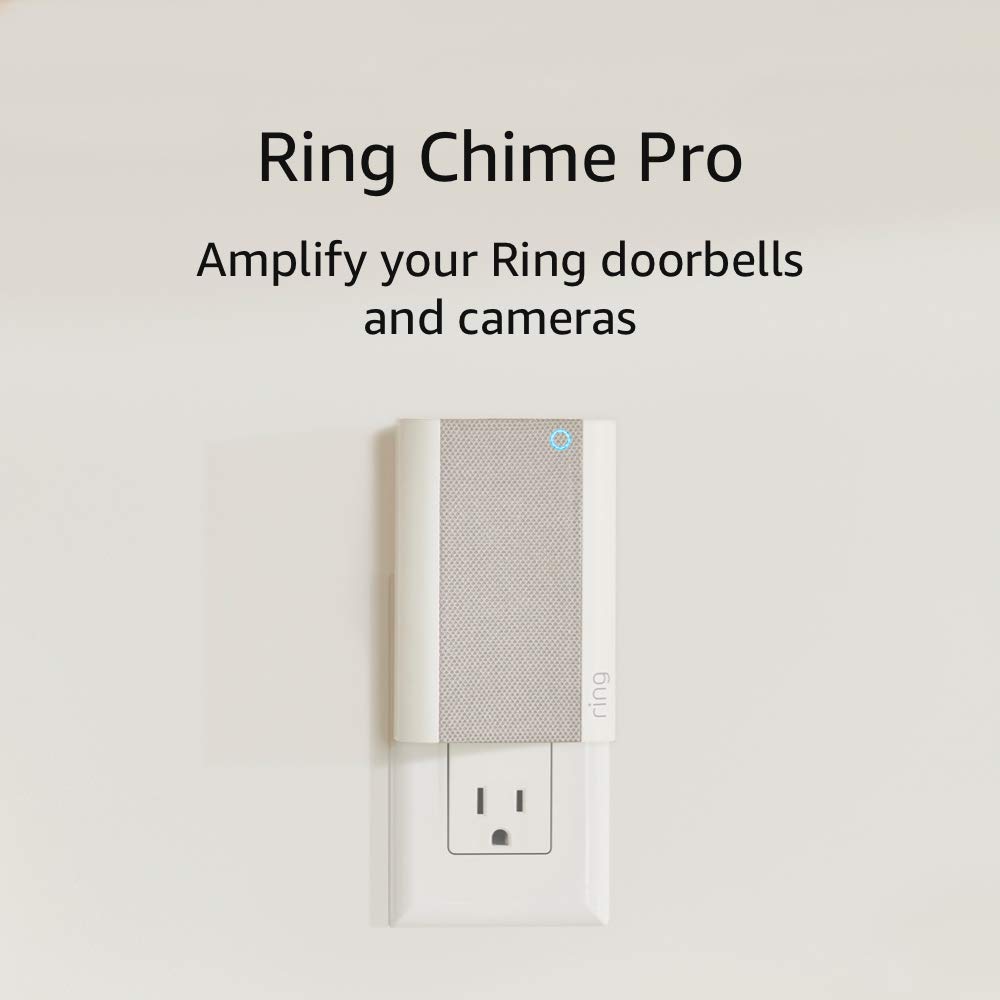
Ring Chime Pro
A plug-in chime and Wi-Fi extender for Ring devices, it provides audible alerts and a limited 2000 sq. ft. signal boost for Ring cameras and doorbells.
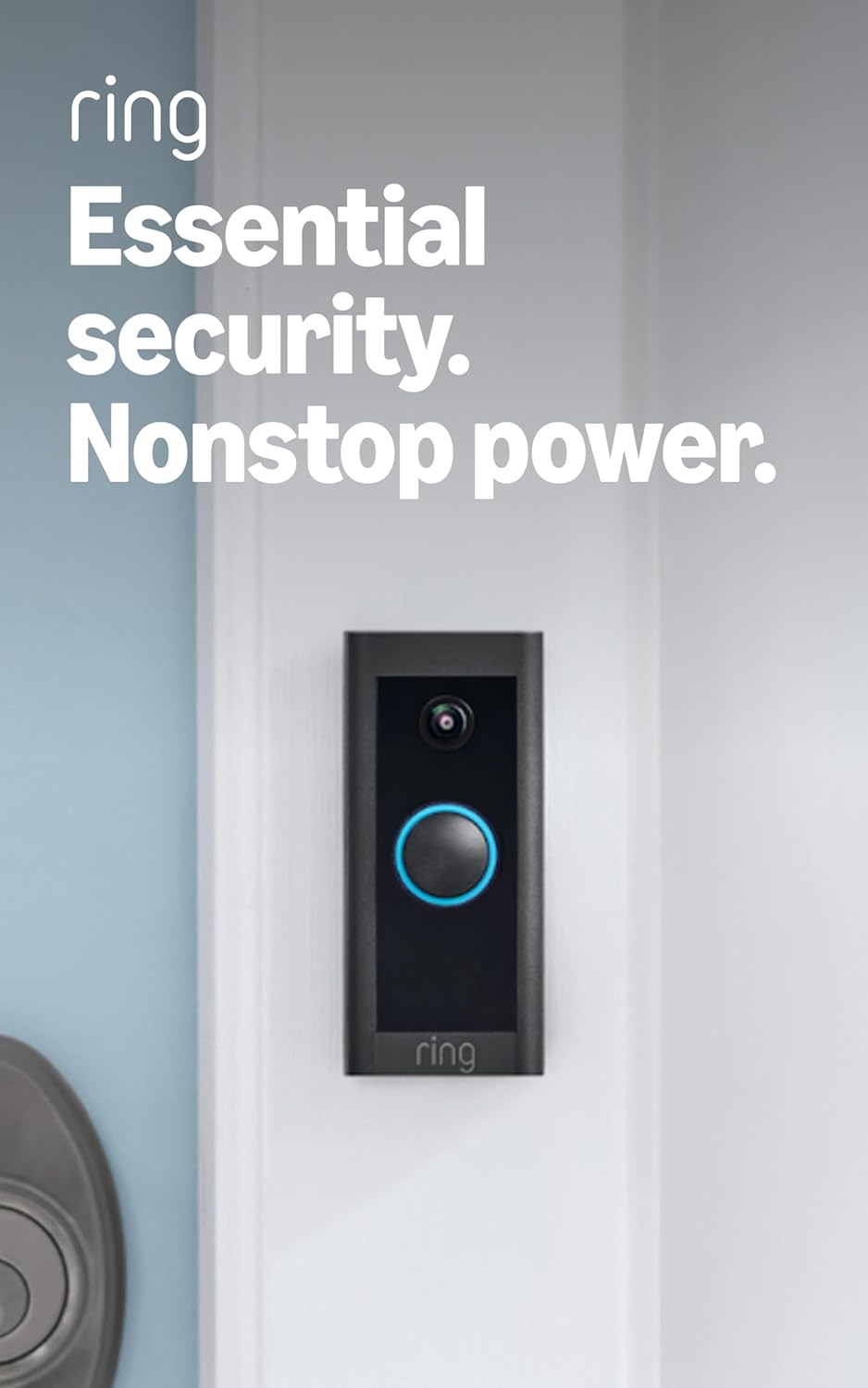
Ring Video Wired Doorbell (newest model), Home or business security, Two-Way Talk, advanced motion detection, HD camera and real-time alerts to monitor your front door (wiring required)
This 1080p wired doorbell delivers real-time alerts and two-way talk for front door monitoring, requiring existing wiring.