
USB C Charger 200W USB C Charger Block,Upgraded GaN III 8-Port Fast Charging Station Hub,PD 65W Laptop Charging Adapter Compatible with MacBook Pro/Air,DELL,Steam Deck,iPhone 16/15/14,Galaxy S23/22
Want the best price and purchase timing?
Our AI advisor analyzes real-time pricing across all channels to find you the best deal.
AI Verdict
This 200W GaN III charging station offers 4 USB-C ports (one 65W, three 20W) and 4 USB-A ports (one 30W, three 15W) for charging up to 8 devices simultaneously.
This charger is a situational fit because its 200W total output and 8 ports are appealing, but the specific power distribution (one 65W USB-C, three 20W USB-C, one 30W USB-A, three 15W USB-A) means it won't fast-charge multiple high-power devices simultaneously. It's best for a mix of one laptop and several lower-power gadgets.
If you need consistent high-wattage charging for multiple laptops or power-hungry devices, look for chargers with at least two USB-C ports capable of 100W or more each.
Regret Score™
Low RiskLower is better — measures purchase-regret risk from real buyer complaints, review credibility, and product maturity
Issues discovered after purchase
Critically weak dimension
Amazon rating vs actual quality
Chance this product isn't for you
Pros
- Features 8 ports (4 USB-C, 4 USB-A) to charge multiple devices from a single block.
- Utilizes GaN III chip technology for higher energy efficiency and heat dissipation, contributing to a smaller size.
- The primary USB-C port delivers up to 65W, capable of charging a MacBook Pro to 55% in 30 minutes.
- Includes a 5ft (1.5m) power cord for flexible placement on a desk or nightstand.
- Built-in multi-protection system with UL safety certification guards against over-voltage, over-current, and overheating.
- Its compact form factor is described as saving 50% space compared to conventional power bricks.
Cons
- The marketing claim of 'independent output ports' is misleading, as power is allocated, not truly independent, with only one USB-C port reaching 65W.
- Only one USB-C port provides 65W, with the other three USB-C ports limited to 20W each, which is slow for many modern devices.
- USB-A ports have limited power outputs, with one at 30W and the remaining three at 15W each.
- Some users express concern about the durability and safety of suspiciously cheap multi-port chargers from lesser-known brands.
- The total 200W is shared, meaning connecting multiple high-power devices will reduce individual port output below stated maximums.
Dimension Scores
One USB-C port delivers 65W for fast laptop charging, but the other seven ports offer significantly lower outputs (20W or 15W), limiting simultaneous high-speed charging.
It uses GaN III technology and fireproof materials, with one user noting it feels 'fairly heavy' and 'doesn't feel cheap,' but it's a budget brand so long-term durability is unproven.
With 4 USB-C and 4 USB-A ports, it supports a wide array of devices from laptops and phones to tablets and gaming consoles.
Its compact GaN III design is marketed as saving 50% space and fitting into travel bags, making it a practical option for consolidating chargers on the go.
Best For
- Charging a laptop (up to 65W) and several low-power devices like phones, smartwatches, and earbuds at a desk.
- Consolidating multiple chargers into one unit for home or office use, reducing cable clutter.
- Travelers needing to charge a variety of devices, provided they manage power expectations for simultaneous high-draw items.
- Users with a mix of USB-C and older USB-A devices who need a central charging hub.
Not Recommended For
- Users needing to fast-charge multiple laptops or high-power devices simultaneously at their peak wattage.
- Anyone expecting all 8 ports to deliver high-speed charging concurrently without power allocation.
- Gaming laptops that require more than 65W from a single USB-C port for optimal performance while charging.
Watch Out For
- The 200W total is shared, not delivered per port; the fastest USB-C port is 65W, while the other three USB-C ports are capped at 20W each.
- Connecting a laptop to the 65W USB-C port and then adding other devices will dynamically reallocate power, potentially slowing down the laptop's charge.
- The USB-A ports offer lower outputs (one at 30W, three at 15W), which might be slower than dedicated fast chargers for some phones.
- The marketing claim of 'independent output ports' is directly contradicted by the actual power distribution, which is a common point of confusion for multi-port chargers.
Full Specifications
| ASIN | B0CQYJVJDR |
| Brand | GKUTW |
| Color | A-White |
| Wattage | 200 watts |
| Item Weight | 0.176 ounces |
| Manufacturer | Dongguan Yuanhaoxun Technology Co., LTD |
| Input Voltage | 240 Volts |
| Connector Type | USB Type C |
| Total USB Ports | 8 |
| Item model number | HX100P7 |
| Package Dimensions | 5.59 x 5.59 x 1.61 inches |
What Buyers Say
The biggest takeaway from user feedback is that while this charger boasts a 200W total output and 8 ports, the power distribution isn't what some might expect from the 'independent charging' claim. Users quickly realize that only one USB-C port hits 65W, with the others dropping significantly to 20W or 15W for USB-A. This means you can't really fast-charge multiple laptops at once, but it's still a solid hub for a mix of one power-hungry device and several smaller gadgets. People seem to like that it doesn't get hot and feels sturdy for the price.
“I bought this thing thinking I could charge my work laptop and my personal laptop at 65W each, but nope, only one gets the fast juice. Still, it charges everything else fine, just wish they were clearer about the power split!”
Common Praise
- Consolidates many chargers into one unit, reducing desk clutter.
- Doesn't get unusually hot even under load, thanks to GaN III technology and safety features.
- The 5ft power cord offers flexibility for placement away from an outlet.
- Feels substantial and not cheap for its size.
- Charges a wide variety of devices, including laptops, phones, and tablets.
Common Complaints
- Power distribution is allocated, not truly independent, meaning not all ports deliver maximum speed simultaneously.
- Only one USB-C port provides 65W; the other three USB-C ports are limited to 20W each.
- USB-A ports have lower outputs (max 30W, mostly 15W), which can be slow for some devices.
- The marketing about 'independent output ports' can be misleading regarding actual performance.
Ownership Tips
- The actual power output per port is crucial; don't assume all USB-C ports are high wattage.
- The unit remains cool to the touch even when multiple devices are connected.
- The included power cord is a standard C7 type, which is easily replaceable or extendable if needed.
- It's a re-branded product, so similar models might exist under different names.
Frequently Asked Questions
Can this charger fast charge my MacBook Pro and my iPhone 15 at the same time?
Yes, it can fast charge your MacBook Pro via the 65W USB-C port (up to 55% in 30 minutes) and your iPhone 15 via one of the 20W USB-C ports (up to 50% in 30 minutes). However, the total 200W is shared, so adding more devices might affect charging speeds.
Do all 8 ports provide 200W of power?
No, the 200W is the total maximum output shared across all 8 ports. Individual ports have specific maximum outputs: one USB-C at 65W, three USB-C at 20W each, one USB-A at 30W, and three USB-A at 15W each.
Is this charger safe to use, and does it overheat?
The charger uses GaN III technology for better heat dissipation and includes a multi-protection system with UL safety certification, designed to prevent overheating and protect against electrical issues.
Can I use this charger for travel?
Yes, its compact size and 5ft power cord make it suitable for travel, helping to reduce the number of individual chargers you need to pack.
Will this charger work with my Steam Deck?
Yes, the charger is compatible with the Steam Deck, allowing you to charge it alongside other devices.
Buying Guide
When you're looking at multi-port chargers like this, the total wattage (200W here) is just the big picture. What really matters is how that power is split up among the individual ports. Don't fall for marketing that implies every port is a powerhouse. You need to check the specific output for each type of port (USB-C vs. USB-A) and how that power is allocated when multiple devices are plugged in. If you're charging a laptop, make sure at least one USB-C port meets its power requirements.
Wattage (200W total)
This is the maximum power the entire charger can put out. Think of it like the total horsepower of a car; it tells you the potential, but not how fast each wheel can spin independently. If you connect many devices, they share this total power.
GaN III Chip Technology
Gallium Nitride (GaN) is a newer material that allows chargers to be smaller, more efficient, and run cooler than older silicon-based chargers. It's why this 200W charger can be relatively compact and not feel like a brick.
Port Power Distribution (e.g., 65W USB-C1, 20W USB-C2/3/4)
This is the most important detail. It tells you exactly how much power each port can deliver. If you need to charge a laptop that requires 60W, you need to plug it into a port that can actually supply 60W, not just any USB-C port. The other ports will be slower, like charging your phone with a tablet charger.
Alternatives
If this charger doesn't fit your needs, look for models with higher individual port outputs, such as two 100W USB-C ports, or a higher total wattage if you frequently charge multiple power-hungry devices.
You Might Also Like

Fast Wireless Charger, NANAMI Qi Certified Wireless Charging Stand Compatible iPhone 17/17 Air/16/15/15 Pro/15 Plus/15 Pro Max/14/13/12, for Samsung Galaxy S25/S24/S23/S22/S21 and Qi-Enabled Phone
A budget Qi-certified wireless charging stand with dual coils and up to 15W output, best for overnight charging of compatible iPhones and Samsung Galaxy devices.
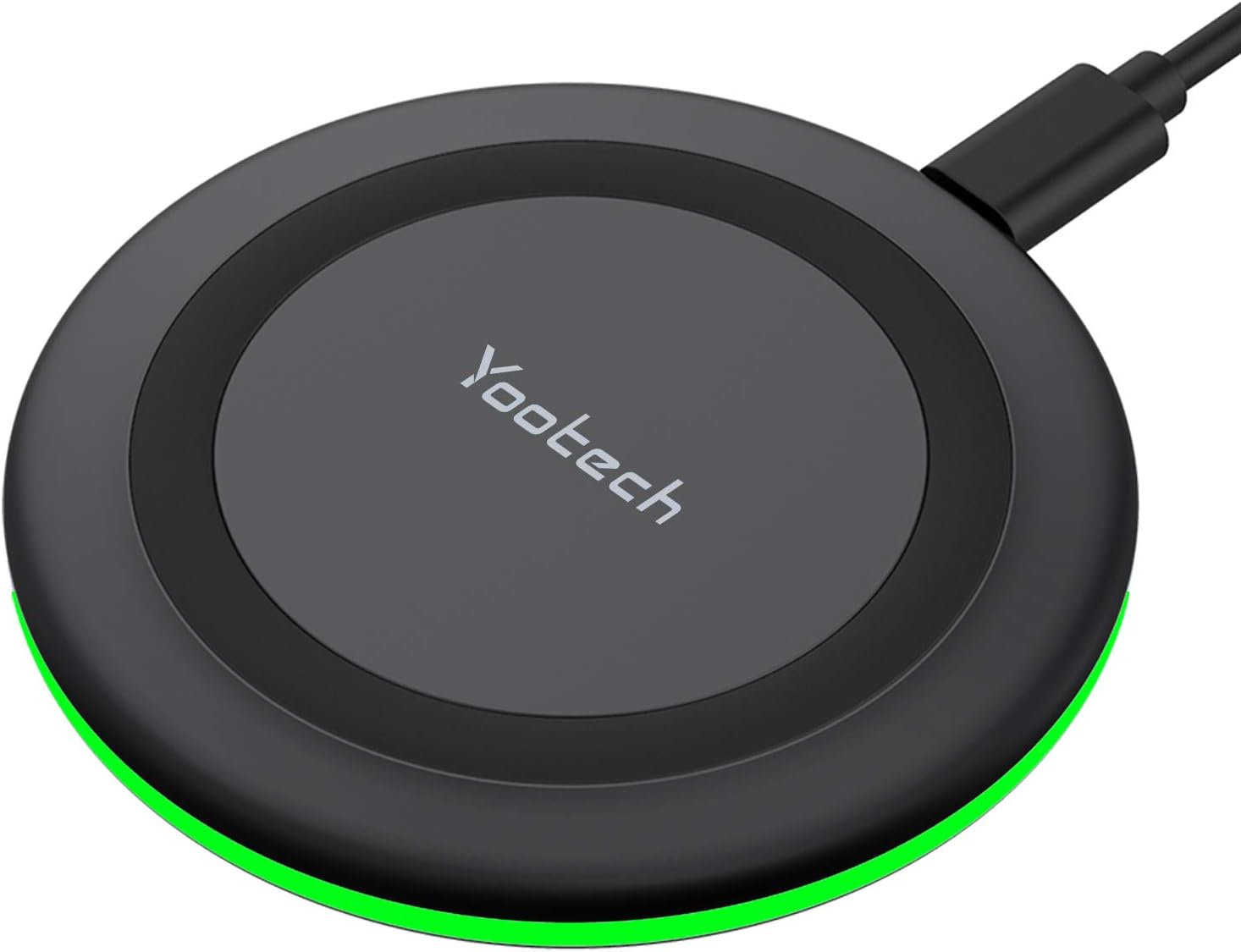
Yootech Wireless Charger,10W Max Wireless Charging Pad Compatible with iPhone 17/17 Pro/17 Pro Max/Air/16/15/14/13/SE 2022/12/11,Samsung Galaxy S25/S24/S23,for AirPods Pro 3(No AC Adapter)
This 10W wireless charging pad offers 7.5W for iPhones and 10W for Samsung Galaxy devices, but requires a separate QC 2.0/3.0 adapter for optimal speeds.
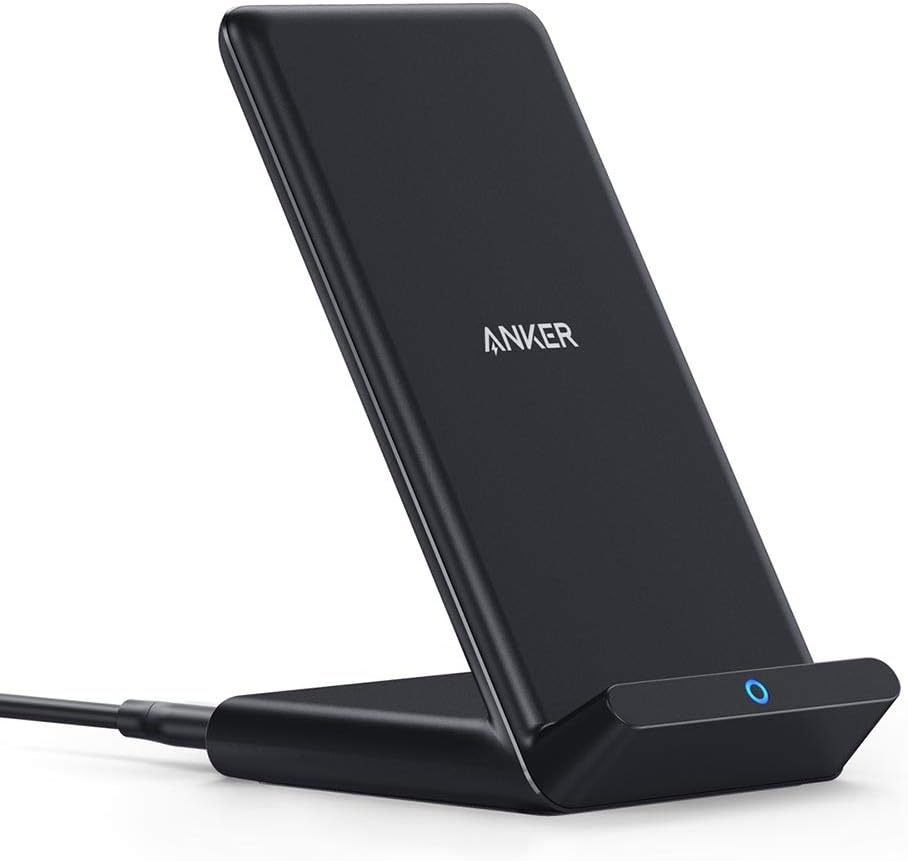
Anker 313 Wireless Charger (Stand), Qi-Certified for iPhone 17/17/17 Pro/17 Pro Max/15/14/13, 10W Fast-Charging Galaxy S23 S22 S21(No AC Adapter)
This is a 10W Qi-certified stand charger with Micro USB input, designed for convenient upright charging of iPhones and Galaxy phones.

VANMASS【85+LBS Strongest Suction & Military-Grade 2026 Ultimate Car Phone Mount【Patent & Safety Certs】 Cell Phone Holder Truck for Dashboard Windshield Vent for iPhone 17 Pro Max 16 15 for Samsung
This is a dual-mount phone holder with 85LBS suction and a 0.7-inch deep cradle, built for extreme temperatures and large phones.