
BLAVOR Solar Power Bank 10,000mAh, Portable Wireless Charger, 20W Fast Charging External Battery Pack with USB C for Cell Phones, Solar Panel Charging with Dual Flashlight for Camping
Want the best price and purchase timing?
Our AI advisor analyzes real-time pricing across all channels to find you the best deal.
AI Verdict
This 10,000mAh power bank offers 20W USB-C fast charging and 10W wireless charging, built rugged for outdoor use, but don't count on the solar panel for primary power.
This power bank is a situational fit because its 20W USB-C output and rugged, IPX5-rated design are genuinely useful for outdoor adventures and emergencies. However, the solar charging, a key advertised feature, is largely ineffective for practical use, making it less ideal if that's your primary reason for buying.
If solar charging is a must-have, look for power banks with much larger, often foldable, external solar panels that can deliver higher wattage.
Regret Score™
Very Low RiskLower is better — measures purchase-regret risk from real buyer complaints, review credibility, and product maturity
Issues discovered after purchase
Critically weak dimension
Amazon rating vs actual quality
Chance this product isn't for you
Pros
- 20W USB-C output charges an iPhone 15 to 65% in 30 minutes, minimizing downtime.
- Simultaneously charges three devices via wireless, USB-C, and USB-A, covering most modern gadgets.
- IPX5 waterproof, dustproof, and shockproof construction handles rough outdoor conditions.
- Integrated dual super-bright flashlights and a compass carabiner add practical utility for camping or emergencies.
- Utilizes a Lithium-cobalt battery, offering 50% more cycling times compared to standard Li-polymer cells.
- Features 10W wireless charging for cable-free convenience with Qi-enabled phones.
Cons
- The solar panel is largely ineffective for practical charging, taking days to add a significant charge and primarily serving as an emergency trickle charger.
- Actual battery capacity tested at approximately 77% of the advertised 10,000mAh (28.65 Wh out of 37 Wh), impacting total recharges.
- Wireless charging is 10W, which is slower than the 20W wired USB-C output.
- Leaving the power bank in direct sunlight for solar charging can cause it to overheat, which is detrimental to lithium batteries.
Dimension Scores
The 20W USB-C output is above average for a budget power bank, charging an iPhone 15 to 65% in 30 minutes, though the 10W wireless is average.
Featuring IPX5 waterproof, dustproof, shockproof, and flame-retardant ABS/PC materials, it's built to withstand harsh outdoor conditions.
With USB-A, USB-C, and wireless charging, it supports a wide range of devices including iPhone, iPad, and Samsung, charging three simultaneously.
While BLAVOR claims it's the 'smallest and lightest' 10,000mAh charger, its rugged casing and features likely add some bulk compared to non-outdoor specific models.
Best For
- Outdoor enthusiasts needing emergency power and light in rugged conditions.
- Travelers who require multiple charging options for various devices.
- Individuals seeking a backup power source with built-in flashlights for power outages.
Not Recommended For
- Users expecting the solar panel to fully recharge the device quickly or reliably.
- Anyone needing the absolute smallest and lightest 10,000mAh power bank without outdoor features.
- Those who primarily charge indoors and won't benefit from the ruggedness or solar panel.
Watch Out For
- The solar panel is more of a marketing gimmick than a functional charging method; expect it to take days to add a meaningful charge, not hours.
- Real-world capacity is closer to 7,700mAh, meaning it won't provide as many full charges as a true 10,000mAh unit.
- Direct sunlight exposure for solar charging can overheat the device, potentially damaging the battery over time.
Full Specifications
| ASIN | B07T2NRK8G |
| Brand | BLAVOR |
| Color | Black |
| Batteries | 1 Lithium Polymer batteries required. (included) |
| Item Weight | 9.3 ounces |
| Manufacturer | BLAVOR |
| Connector Type | USB A, USB C, IOS |
| Special Feature | Dual Bright Flashlight, Pocket Size, Wireless Charging |
| Battery Capacity | 10000 Milliamp Hours |
| Item model number | PN-W05 |
| Product Dimensions | 5.91 x 3.07 x 0.87 inches |
What Buyers Say
The biggest takeaway from user feedback is that the solar charging is practically useless for anything beyond a tiny emergency top-off, often taking days to add a single bar of charge. Many buyers appreciate the rugged build and the convenience of multiple charging options, especially the wireless feature. However, some users noted that the actual capacity felt lower than the advertised 10,000mAh, which was confirmed by a test showing around 77% of stated capacity. The dual flashlights are a frequently mentioned bonus for outdoor use.
“Look, I bought this for camping thinking the solar would save me, but that little panel is a total waste of time. It's built like a tank and charges my phone fast with a cable, but don't buy it for the sun charging, seriously.”
Common Praise
- The 20W USB-C port charges phones quickly when plugged in.
- The IPX5 waterproof and shockproof design holds up well during outdoor activities.
- Having multiple output options (USB-A, USB-C, wireless) is super convenient for different devices.
- The built-in dual flashlights are surprisingly bright and useful in the dark.
- The rubberized coating makes it comfortable to hold and adds to the durable feel.
Common Complaints
- The solar charging panel is basically a joke; it barely charges the device even in direct sun.
- It takes forever to charge via solar, making it unreliable for off-grid power.
- The actual battery capacity seems less than 10,000mAh in real-world use.
- Leaving it in the sun to charge makes the unit get really hot, which can't be good for the battery.
- Wireless charging is convenient but not particularly fast compared to wired options.
Ownership Tips
- After a few weeks, you realize the solar panel is only for 'just in case' and not for daily charging.
- The wireless charging is handy for quick top-ups around the campsite, even if it's not super speedy.
- The flashlights are brighter than expected and become a go-to for late-night tent rummaging.
- The rugged exterior actually prevents damage from drops and splashes, which is a relief.
- You'll mostly charge it from a wall outlet because the solar is so slow.
Frequently Asked Questions
How fast does the solar panel charge the power bank?
The solar panel charges very slowly; it's designed for emergency trickle charging, not a primary power source. Expect it to take several days of direct sunlight to fully charge the 10,000mAh battery.
Can it charge an iPhone 15 quickly?
Yes, the 20W USB-C output can charge an iPhone 15 to 65% in about 30 minutes.
Is it truly waterproof?
It has an IPX5 waterproof rating, meaning it can withstand splashes and light rain, but it's not designed for submersion.
Does it support wireless charging?
Yes, it features 10W wireless charging for Qi-enabled devices, allowing you to charge compatible phones by simply placing them on the power bank.
What kind of battery does it use?
It uses a Lithium-cobalt battery, which BLAVOR claims offers 50% more cycling times than a normal Li-polymer battery.
Buying Guide
When you're looking at power banks, especially 'solar' ones, you need to think about how you'll actually use it. Don't get sucked into marketing hype about solar panels unless they're massive. For most people, the wired charging speed and battery capacity are what really matter for daily use and emergencies. Consider the ports you need and if you want wireless charging for convenience.
battery_capacity (mAh)
This number tells you how much juice the power bank holds, like the size of a gas tank. A 10,000mAh bank can typically charge a standard smartphone 2-3 times, depending on your phone's battery size.
watts (W)
Wattage indicates how fast the power bank can deliver power to your device, similar to how quickly a gas pump fills your tank. Higher wattage (like 20W) means faster charging for compatible devices.
connector (USB A, USB C, Wireless)
These are the 'hoses' that connect to your devices. USB-C is the newer, faster standard, while USB-A is common for older devices. Wireless charging is super convenient but often slower than wired connections.
Alternatives
If this doesn't fit, look for power banks with higher wattage USB-C Power Delivery (PD) for faster charging, or consider a separate, larger foldable solar panel if true off-grid charging is essential.
You Might Also Like

Fast Wireless Charger, NANAMI Qi Certified Wireless Charging Stand Compatible iPhone 17/17 Air/16/15/15 Pro/15 Plus/15 Pro Max/14/13/12, for Samsung Galaxy S25/S24/S23/S22/S21 and Qi-Enabled Phone
A budget Qi-certified wireless charging stand with dual coils and up to 15W output, best for overnight charging of compatible iPhones and Samsung Galaxy devices.
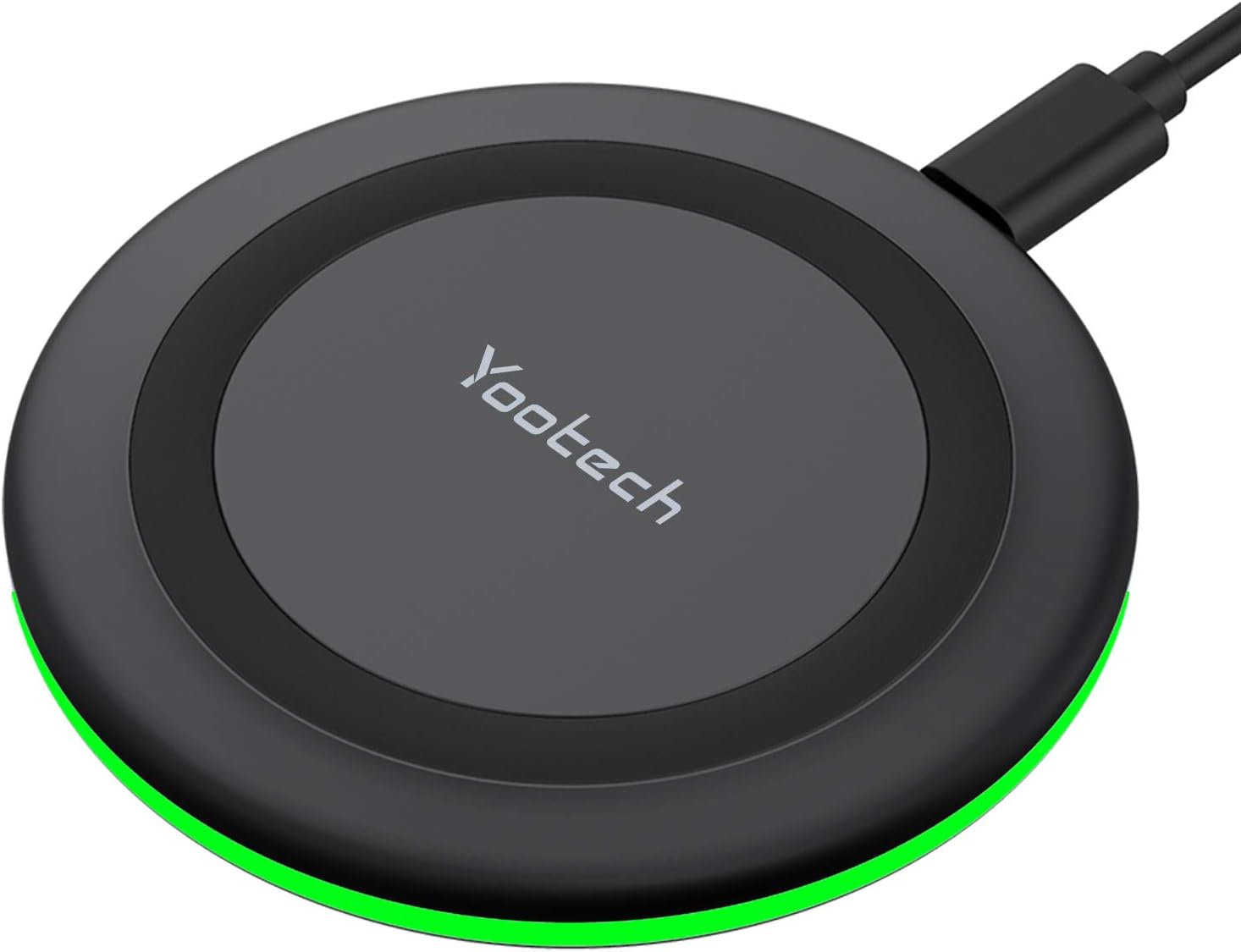
Yootech Wireless Charger,10W Max Wireless Charging Pad Compatible with iPhone 17/17 Pro/17 Pro Max/Air/16/15/14/13/SE 2022/12/11,Samsung Galaxy S25/S24/S23,for AirPods Pro 3(No AC Adapter)
This 10W wireless charging pad offers 7.5W for iPhones and 10W for Samsung Galaxy devices, but requires a separate QC 2.0/3.0 adapter for optimal speeds.
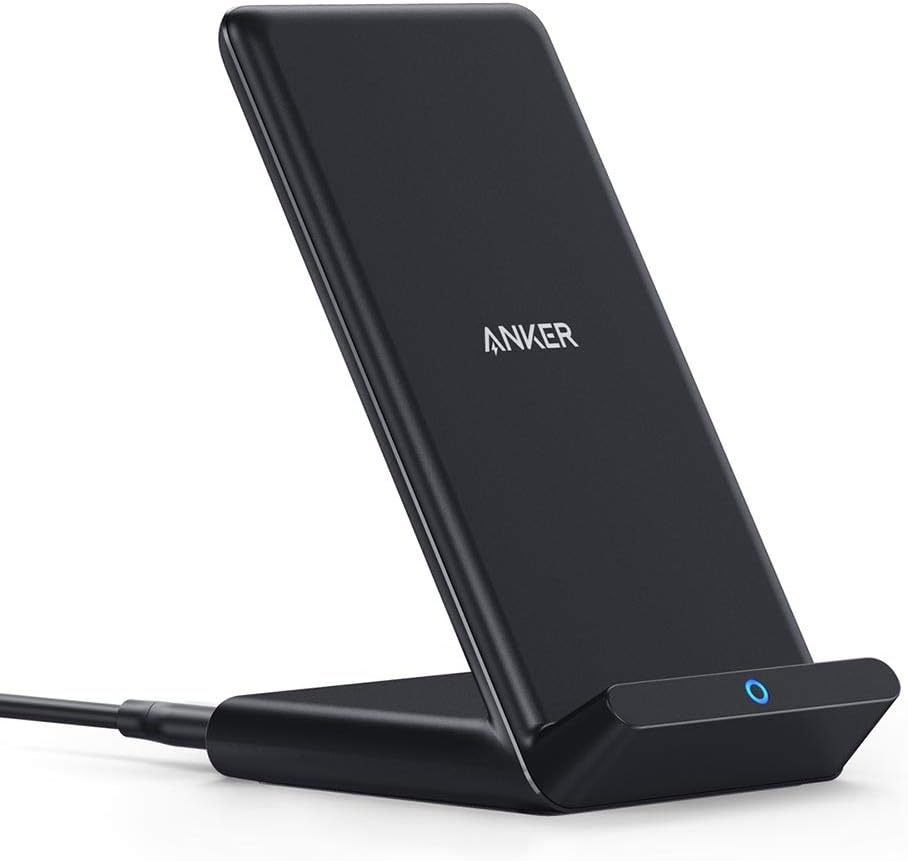
Anker 313 Wireless Charger (Stand), Qi-Certified for iPhone 17/17/17 Pro/17 Pro Max/15/14/13, 10W Fast-Charging Galaxy S23 S22 S21(No AC Adapter)
This is a 10W Qi-certified stand charger with Micro USB input, designed for convenient upright charging of iPhones and Galaxy phones.

VANMASS【85+LBS Strongest Suction & Military-Grade 2026 Ultimate Car Phone Mount【Patent & Safety Certs】 Cell Phone Holder Truck for Dashboard Windshield Vent for iPhone 17 Pro Max 16 15 for Samsung
This is a dual-mount phone holder with 85LBS suction and a 0.7-inch deep cradle, built for extreme temperatures and large phones.