
ANYCUBIC ABS-Like Resin 3.0, Upgraded 14K 3D Printer Resin with Enhanced Strength and Toughness, High Precision, Low Odor, Wide Compatibility for All LCD Resin 3D Printers (Grey, 1kg)
Want the best price and purchase timing?
Our AI advisor analyzes real-time pricing across all channels to find you the best deal.
AI Verdict
This 86D Shore Hardness resin with 30% elongation at break is for makers needing durable, detailed 3D prints that resist cracking and bending.
This resin is a strong fit for users prioritizing print durability and detail, thanks to its 86D Shore Hardness and 30% elongation at break. Its low shrinkage rate also ensures high precision for intricate models.
If you need even higher impact resistance for extremely demanding functional parts, look for resins with even greater elongation at break percentages.
Regret Score™
Medium RiskLower is better — measures purchase-regret risk from real buyer complaints, review credibility, and product maturity
Issues discovered after purchase
Critically weak dimension
Amazon rating vs actual quality
Chance this product isn't for you
Pros
- Prints exhibit an 86D Shore Hardness, making them extremely resilient against cracking and deformation during operations like drilling.
- Models show 30% elongation at break, providing enhanced bending strength and fracture resistance.
- The resin delivers high detail capture, intricate contours, and a smooth texture due to a lower shrinkage rate.
- Its lower viscosity and high fluidity allow for faster reflow and reduced overall print time.
- The formulation produces minimal odor, contributing to a more pleasant printing environment.
- It's compatible with a wide range of LCD and DLP 3D printers operating within the 365-405nm wavelength.
Cons
- Some users report difficulty achieving a completely clean, non-tacky finish, even after multiple IPA washes.
- Printed parts can retain glossy areas, particularly in creases, which complicates painting miniatures.
- Optimal exposure settings and lift speeds may require calibration to prevent issues like tackiness or print failures.
Dimension Scores
The resin achieves an exceptional high level of details and a smooth texture due to its lower shrinkage rate.
While it has low odor and wide compatibility, some users report challenges with post-processing tackiness and the need to dial in print settings.
It's compatible with a wide range of LCD and DLP printers and suitable for various applications from functional parts to detailed models.
With an 86D Shore Hardness and 30% elongation at break, it offers superior crack and fracture resistance compared to many other resins.
Best For
- Creating functional prototypes that require high impact and wear resistance.
- Printing mechanical assembly parts, electronic chassis, or automobile components needing durability.
- Producing highly detailed miniatures and models where intricate features are crucial.
Not Recommended For
- Users who prefer a completely odorless printing experience, as 'minimal odor' still means some scent.
- Beginners unwilling to experiment with print settings to achieve optimal post-processing results.
- Projects where a perfectly matte finish is critical without extensive post-processing to remove tackiness.
Watch Out For
- Parts can remain tacky or have glossy spots, even after a three-stage IPA wash, making painting difficult.
- Achieving a completely clean surface might require more aggressive cleaning agents than IPA for some users.
- Dialing in exposure times and lift settings is often necessary, with some users finding optimal exposure as low as 1.2 seconds.
Full Specifications
| ASIN | B0F9PL429N |
| Item Weight | 2.2 pounds |
| Manufacturer | ANYCUBIC |
| Product Dimensions | 4.33 x 4.33 x 10.3 inches |
What Buyers Say
Even though this resin boasts impressive strength and detail, a recurring theme in user feedback is the struggle with post-processing, specifically getting prints completely clean and non-tacky. Many users find the material itself prints with high precision and durability, but the lingering tackiness can be a real headache, especially for miniatures that need painting. Dialing in settings seems to be a common necessity to mitigate these issues.
“Ugh, this resin prints so strong and the details are insane, but seriously, why is it still sticky after like three IPA baths? My minis look great but I can't even paint them without feeling gross!”
Common Praise
- Prints exhibit high detail and precision, capturing intricate features.
- The resin is noticeably less brittle and more flexible than some other ABS-like options.
- The low odor makes for a more tolerable printing experience.
- Models are resilient against cracking and can withstand drilling without deforming.
- Supports often detach easily from prints, simplifying post-processing.
- The cured resin feels more like plastic than typical resin, with good surface quality.
Common Complaints
- Prints frequently remain tacky or have glossy spots, even after multiple IPA washes.
- Lingering tackiness makes it difficult to paint miniatures effectively.
- Achieving a truly clean, non-sticky surface can be a time-consuming process.
- Optimal exposure and lift settings often need fine-tuning for best results, varying by printer.
Ownership Tips
- You'll likely need to experiment with different IPA wash durations and agitation methods to reduce tackiness.
- Consider using a dedicated wash and cure station, as manual washing might not be sufficient for a completely clean finish.
- Ambient temperature can influence print success and resin fluidity, so monitor your printing environment.
- Don't assume default settings will work perfectly; be prepared to run calibration tests for optimal exposure.
Frequently Asked Questions
Is this resin truly low odor?
Yes, Anycubic states this resin has minimal odor, aiming for a more pleasant printing experience. User feedback generally confirms a reduced smell compared to other resins.
What kind of printers is this resin compatible with?
It's designed for wide compatibility with most LCD and DLP 3D printers that operate within the 365-405nm wavelength range.
How durable are prints made with this resin?
Prints are highly durable, featuring an 86D Shore Hardness and 30% elongation at break, making them resistant to cracking, deformation, and bending stress.
Do prints come out tacky or sticky?
Some users have reported issues with prints remaining tacky or having glossy areas, even after thorough cleaning with IPA. This might require adjusting wash procedures or print settings.
Does this resin cure quickly?
Yes, its lower viscosity and high fluidity help the resin reflow faster to the print area, which contributes to reduced overall print times.
Buying Guide
When you're looking at 3D printer resins, you need to think about what you're actually making. This isn't just about color; it's about how strong, flexible, and detailed your finished prints will be. An 'ABS-Like' resin like this one is trying to mimic the properties of ABS plastic, which means it's tougher and less brittle than standard resins. This is key if your prints are going to be handled a lot or need to withstand some stress.
Shore Hardness (86D)
This number tells you how hard the cured resin is. An 86D is pretty hard, meaning your prints will resist scratches and dents, similar to how a hard plastic toy feels. It's important for parts that need to hold their shape under pressure.
Elongation at Break (30%)
This is about flexibility and how much a material can stretch before it snaps. A 30% elongation means your prints can bend a fair amount without breaking, which is crucial for functional parts that might experience impacts or stress. Think of it like a tough plastic ruler that bends before it breaks.
Lower Shrinkage Rate
Resins shrink a little when they cure, which can mess up the accuracy of your prints. A lower shrinkage rate means your printed objects will be closer to the exact dimensions of your digital model, resulting in sharper details and better-fitting parts.
Alternatives
If you need even more flexibility or impact resistance, look for resins with a higher elongation at break percentage. For purely aesthetic models where durability isn't a concern, a standard resin might offer easier post-processing.
You Might Also Like

xTool F2 Ultra UV Laser Engraver, 5W UV Laser, 3D Inner and Fine Glass Engraving, Dual 48MP Cameras, 15,000 mm/s High Speed, AI Powered 2D-to-3D Software, Ultra-Precise Detail on Glass Plastic Acrylic
$600+A 5W UV laser engraver with <10μm spot size for 3D inner glass engraving and cold processing heat-sensitive materials.
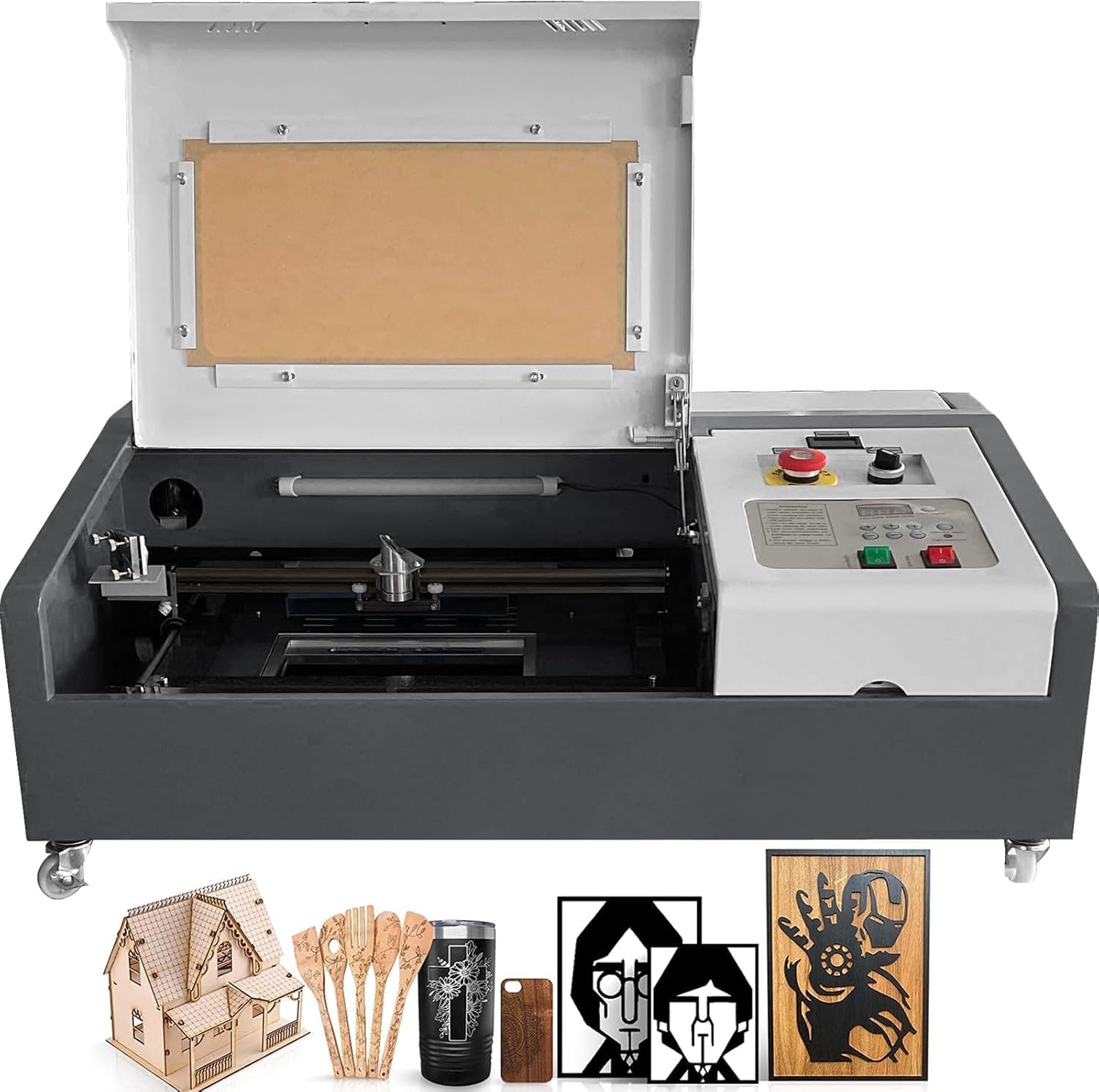
50W CO2 Laser Engraver, 16x16 inch Desktop Laser Cutter and Engraving Machine Compatible with CorelDRAW, Windows XP 7 8 10, EMF, JPG, PLT, WMF for Wood Acrylic Fabric (16"x16")
$600+This is a 50-60W CO2 laser engraver with a 300x200mm engraving area and 0.01mm positioning accuracy, designed for hobbyists and small businesses working with non-metallic materials.

LaserPecker LP5 Smart Dual 20W Fiber + Diode Laser Engraver Cutter with Rotary Extension, Slide Extension & Air Purifier, 3D Embossing, Color Engraving, Ideal for On-site Customization
$600+A dual 20W Fiber and 20W Diode laser engraver with 10,000mm/s speed, ideal for on-site customization across nearly all materials.

WIZMAKER 12W Laser Engraver Machine, Portable Carving Machine, 300x300mm Carving Area, 0.1mm High-Precision DIY Production, Suitable for Wood, Metal, Acrylic and Other Materials
$150-$299This is a 12W laser engraver with a 300x300mm carving area and 0.1mm precision, designed for DIY production on various materials.