
ELEGOO TPU Filament 1.75mm Black 1KG, 95A Flexible Soft 3D Printing Filament 1KG Spool(2.2lbs) Fits for Most FDM 3D Printers
Want the best price and purchase timing?
Our AI advisor analyzes real-time pricing across all channels to find you the best deal.
AI Verdict
This 1.75mm, 95A Shore hardness TPU filament stretches up to 5 times its size, making it suitable for impact-resistant, flexible 3D prints.
This ELEGOO TPU filament is a strong choice for specific applications requiring flexibility and impact resistance due to its 95A Shore hardness and ability to stretch 5 times its size. However, its demanding printing requirements, particularly the need for thorough drying and careful temperature/speed calibration, make it a situational fit for users prepared for the extra steps.
If you need easier printing with less pre-processing, consider a less flexible TPU (higher Shore hardness) or a different material like PETG for durability without the extreme flexibility.
Regret Score™
Medium RiskLower is better — measures purchase-regret risk from real buyer complaints, review credibility, and product maturity
Issues discovered after purchase
Critically weak dimension
Amazon rating vs actual quality
Chance this product isn't for you
Pros
- Shore hardness of 95A allows stretching up to 5 times its original size without breaking, ideal for flexible parts.
- Engineered with outstanding impact resistance for parts needing to withstand collisions and drops.
- Maintains a strict 1.75mm diameter tolerance, promoting consistent and smooth feeding during printing.
- Vacuum-sealed and dried packaging helps prevent moisture-related clogging and bubbling issues.
- Compatible with most 1.75mm FDM 3D printers on the market.
Cons
- Requires pre-drying for 6-8 hours at 70°C to avoid bubbling and stringing during prints.
- Printing at higher speeds or temperatures (e.g., 235°C) can still lead to bubbling and poor quality, even after drying.
- May require specific bed adhesion techniques like glue stick or precise temperature tuning to prevent prints from welding to the build plate.
- Needs a loosened extruder tension and a short, straight filament path to the hotend for optimal feeding.
Dimension Scores
The filament maintains a strict 1.75mm diameter tolerance, contributing to consistent extrusion and print quality when properly managed.
Requires significant pre-processing like drying for 6-8 hours and careful calibration of print speeds and temperatures, making it less plug-and-play than other filaments.
Its 95A Shore hardness and ability to stretch 5 times its size makes it suitable for a wide range of flexible and impact-resistant applications.
The TPU material offers outstanding impact resistance and resilience, making printed parts capable of withstanding drops and collisions.
Best For
- Printing flexible phone cases or protective covers that absorb impacts.
- Creating functional parts like gaskets, seals, or flexible hinges requiring elasticity and durability.
- Prototyping items that need to bend or stretch without breaking, such as wearables or robotics components.
- Users with FDM 3D printers needing a 1.75mm filament for flexible applications.
Not Recommended For
- Users unwilling to manage filament drying before and during printing.
- Applications requiring rigid, structural components without any flex.
- Beginners expecting a print experience as straightforward as PLA without needing to adjust settings.
Watch Out For
- Filament requires drying at 70°C for 6-8 hours before use; skipping this step leads to bubbling and stringing.
- Attempting to print at higher temperatures like 235°C can cause bubbling and poor print quality, even with dried filament.
- Some users report needing to use glue stick on the print bed to ensure proper adhesion and prevent prints from welding to the plate.
- Achieving optimal print quality often involves lowering nozzle temperatures (sometimes as low as 190°C) and reducing print speeds.
Full Specifications
| ASIN | B0DWSDWTW5 |
| Brand | ELEGOO |
| Color | Tpu Black |
| Material | Thermoplastic Polyurethane |
| Item Weight | 2.77 pounds |
| Manufacturer | ELEGOO |
| Item Diameter | 1.75 Millimeters |
| Material Type | Thermoplastic Polyurethane |
| Number of Items | 1 |
| Package Dimensions | 8.35 x 8.27 x 2.91 inches |
| Manufacturer Part Number | CA-EL-3D-PT01-N |
What Buyers Say
Users consistently highlight the critical importance of drying this TPU filament, with many reporting significant improvements in print quality and a reduction in bubbling and stringing after drying it for several hours at 70°C. While the filament's flexibility and impact resistance are frequently praised for functional prints, achieving these results often demands careful tuning of print speeds, nozzle temperatures, and bed adhesion settings. Some users noted that even after drying, higher print temperatures could still lead to issues, suggesting a narrower optimal temperature window for this material.
“OMG, this TPU is awesome for flexible stuff, but seriously, DRY IT. I mean, DRY IT. My first prints were a stringy mess until I baked it for hours, then it was like magic, but still gotta go slow!.”
Common Praise
- Prints exhibit excellent layer adhesion, even at lower nozzle temperatures.
- The material's flexibility allows for parts that stretch up to 5 times their original size.
- Finished prints have high impact resistance, absorbing shocks and drops effectively.
- The vacuum-sealed packaging with desiccant helps protect the filament from initial moisture.
Common Complaints
- Requires extensive drying (e.g., 6-8 hours at 70°C) to prevent print defects like bubbling and stringing.
- Can be difficult to print at higher speeds, with quality degrading even after drying.
- Finding the correct nozzle and bed temperature can be tricky, with some users experiencing prints welding to the bed or bubbling at higher temps.
- Needs specific printer adjustments like loosened extruder tension and a short filament path for successful feeding.
Ownership Tips
- Even after initial drying, storing the filament in a dry box or drying it again before each print session helps maintain quality.
- Experimenting with print speeds is crucial; what works for PLA will likely be too fast for this TPU.
- A direct drive extruder setup often yields better results with flexible filaments like this compared to Bowden setups.
- Using a brim or raft can significantly improve first-layer adhesion and prevent warping, especially on larger prints.
Frequently Asked Questions
Do I need to dry this TPU filament before printing?
Yes, it's highly recommended to dry this TPU filament before printing, ideally at 70°C for 6-8 hours, to prevent issues like bubbling and stringing during your prints.
What is the Shore hardness of this filament?
This ELEGOO TPU filament has a Shore hardness of 95A, which indicates its flexibility and resilience, allowing it to stretch significantly without breaking.
Is this filament compatible with my 1.75mm FDM 3D printer?
Yes, this filament is designed for wide compatibility and fits most common 1.75mm FDM 3D printers on the market.
What kind of objects is this TPU filament best for?
It's ideal for printing parts that need to be flexible and impact-resistant, such as protective cases, gaskets, seals, flexible hinges, or components for wearables.
What print temperature range should I use for this TPU?
While specific temperatures vary by printer, some users find success with nozzle temperatures between 210°C and 225°C, and a bed temperature around 50°C.
Buying Guide
When looking at TPU filament, you're buying flexibility, not rigidity. Think about what you need your printed object to do: bend, stretch, or absorb impact. The Shore hardness number, like this one's 95A, tells you how soft or firm it is; lower numbers mean more squish. You'll also need to be ready to manage moisture, as TPU loves to absorb it, which can mess up your prints.
Shore Hardness (95A)
This number tells you how flexible the material is. 95A is pretty flexible, like a firm rubber band. If you need something super squishy, you'd look for a lower 'A' number, or even a 'D' scale for harder plastics.
Diameter (1.75mm)
This is the thickness of the filament. Your 3D printer is designed for a specific diameter, usually 1.75mm or 2.85mm. Using the wrong size won't work, so always match it to your printer's requirements.
Weight (1KG)
This is how much filament you get on the spool. 1KG is standard for most projects. If you're doing huge prints or many small ones, you might look for larger spools to save money and reduce spool changes.
Alternatives
If this filament is too flexible or requires too much effort, look for TPU with a higher Shore hardness (e.g., 98A) for less stretch, or consider PETG for durable, less flexible prints.
You Might Also Like

xTool F2 Ultra UV Laser Engraver, 5W UV Laser, 3D Inner and Fine Glass Engraving, Dual 48MP Cameras, 15,000 mm/s High Speed, AI Powered 2D-to-3D Software, Ultra-Precise Detail on Glass Plastic Acrylic
$600+A 5W UV laser engraver with <10μm spot size for 3D inner glass engraving and cold processing heat-sensitive materials.
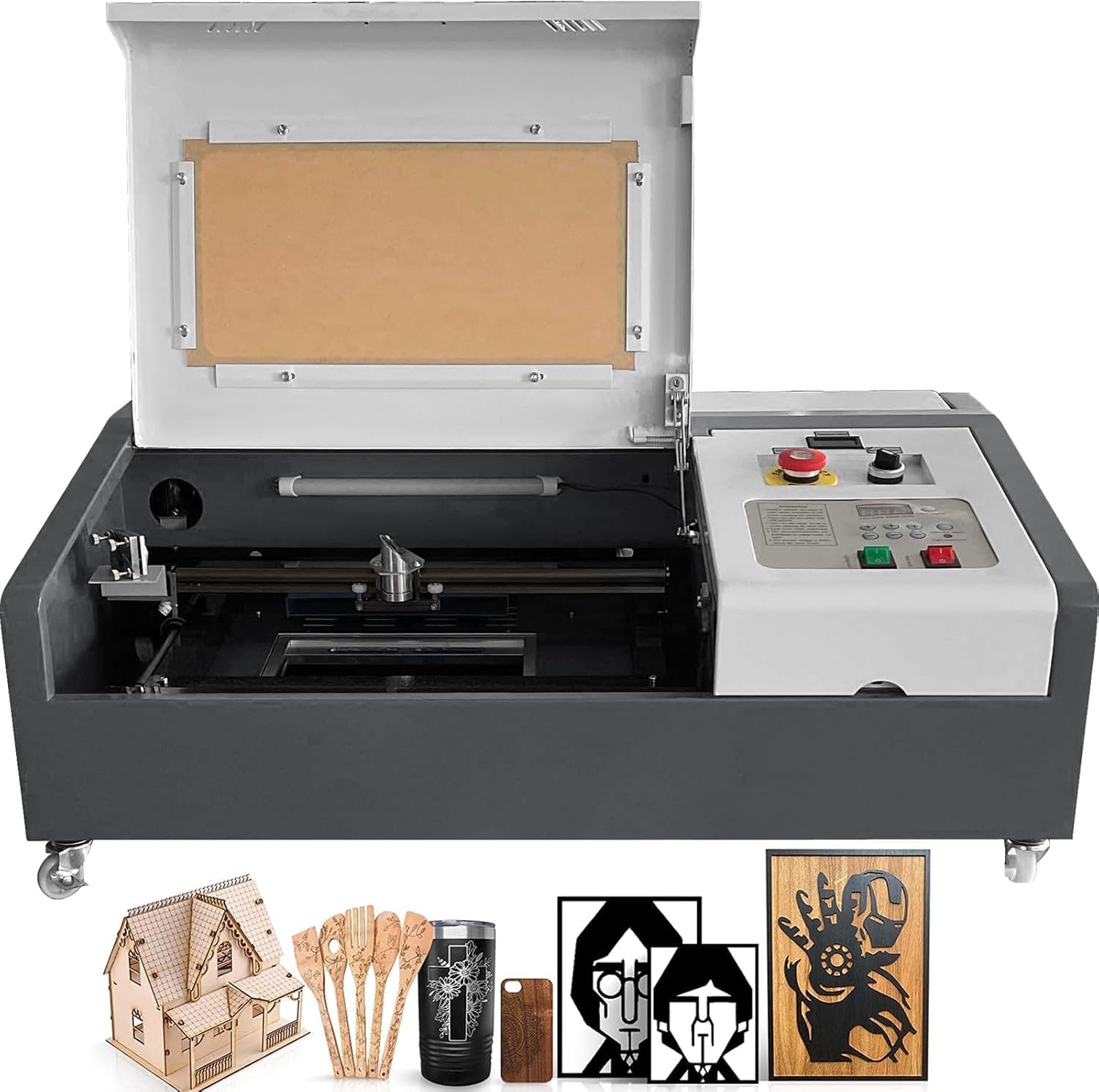
50W CO2 Laser Engraver, 16x16 inch Desktop Laser Cutter and Engraving Machine Compatible with CorelDRAW, Windows XP 7 8 10, EMF, JPG, PLT, WMF for Wood Acrylic Fabric (16"x16")
$600+This is a 50-60W CO2 laser engraver with a 300x200mm engraving area and 0.01mm positioning accuracy, designed for hobbyists and small businesses working with non-metallic materials.

LaserPecker LP5 Smart Dual 20W Fiber + Diode Laser Engraver Cutter with Rotary Extension, Slide Extension & Air Purifier, 3D Embossing, Color Engraving, Ideal for On-site Customization
$600+A dual 20W Fiber and 20W Diode laser engraver with 10,000mm/s speed, ideal for on-site customization across nearly all materials.

WIZMAKER 12W Laser Engraver Machine, Portable Carving Machine, 300x300mm Carving Area, 0.1mm High-Precision DIY Production, Suitable for Wood, Metal, Acrylic and Other Materials
$150-$299This is a 12W laser engraver with a 300x300mm carving area and 0.1mm precision, designed for DIY production on various materials.