
TINMORRY TPU Filament 1.75mm, TPU 95A Flexible 3D Printer Filament with Glossy Finish, Suitable for Most FDM 3D Printers, 1kg Spool (2.2 lbs), Black
Want the best price and purchase timing?
Our AI advisor analyzes real-time pricing across all channels to find you the best deal.
AI Verdict
This 95A Shore hardness TPU filament with 1.75 ±0.05mm diameter is for FDM users needing flexible prints and willing to manage humidity.
This filament is a solid choice for specific applications requiring its 95A Shore hardness and resistance properties. However, its sensitivity to humidity and slower printing speed mean it's not a 'set it and forget it' material. You need to be prepared for the extra steps of drying and careful storage.
If you need faster print speeds or easier handling without extensive drying, look for a less flexible TPU (higher Shore hardness) or a different filament type entirely.
Regret Score™
Medium RiskLower is better — measures purchase-regret risk from real buyer complaints, review credibility, and product maturity
Issues discovered after purchase
Critically weak dimension
Amazon rating vs actual quality
Chance this product isn't for you
Pros
- Offers 95A Shore hardness for prints requiring elasticity and bendability, like phone cases or prosthetics.
- Maintains consistent dimensional tolerances of 1.75 ±0.05mm, contributing to stable print sizes.
- Exhibits wear resistance, chemical resistance, and UV resistance, making it suitable for outdoor applications.
- Comes vacuum sealed with desiccant, dried for 24 hours before packaging, to minimize moisture absorption before use.
- Shows excellent adhesion to the print bed without warping, simplifying the printing process.
- Compatible with a wide range of FDM 3D printers, including Bambu FDM printers (excluding AMS).
Cons
- Requires pre-drying at 70℃ for 8 hours and storage below 20% RH humidity due to high sensitivity to moisture.
- Not compatible with Bambu Lab's AMS (Automatic Material System) due to its flexible nature.
- Printing speeds are limited to under 60mm/s, which is slower than typical rigid filaments.
- Spool type can be either cardboard or plastic, shipped randomly, which might not suit all storage or dry box setups.
- May require a direct drive extruder for easier printing, as flexible filaments can be challenging with Bowden setups.
Dimension Scores
The filament offers consistent dimensional tolerances of 1.75 ±0.05mm and smooth extrusion, which are above average for budget TPU.
While it has excellent bed adhesion and minimal warping, its high humidity sensitivity and slower print speed requirements make it less straightforward than rigid filaments.
With 95A Shore hardness, wear, chemical, and UV resistance, it's suitable for a wide range of flexible and durable applications, including outdoor use.
The 95A Shore hardness provides high elasticity and toughness, coupled with wear, chemical, and UV resistance, indicating a robust material.
Best For
- Creating flexible parts like phone cases, flexible toys, or custom gaskets.
- Users needing prints with wear, chemical, or UV resistance for outdoor exposure.
- Prototyping functional parts that require movement or deformation, such as prosthetics.
- FDM 3D printer owners with direct drive extruders looking to experiment with flexible materials.
Not Recommended For
- Users who prefer high-speed printing, as this filament requires speeds under 60mm/s.
- Owners of Bambu Lab printers relying on the AMS for multi-material prints.
- Beginners unwilling to manage filament drying and humidity control for optimal results.
Watch Out For
- You'll need to dry this filament at 70℃ for 8 hours before printing if it's absorbed any moisture, which is common for TPU.
- Don't expect to use this with your Bambu Lab AMS; flexible filaments like this 95A TPU are not compatible.
- Printing speed is capped at 60mm/s, so don't plan on quick prints.
- The spool might be cardboard or plastic, randomly, which can be annoying if you have a specific dry box setup.
Full Specifications
| ASIN | B0CC1HC723 |
| Brand | TINMORRY |
| Color | 95a Tpu-black |
| Unit Count | 35.27 Ounce |
| Item Weight | 2.97 pounds |
| Manufacturer | TINMORRY |
| Item Diameter | 1.75 Millimeters |
| Number of Items | 1 |
| Item model number | CBPLABEW |
| Package Dimensions | 8.62 x 8.19 x 2.8 inches |
| Manufacturer Part Number | TPUBLK01 |
What Buyers Say
Many users highlight the importance of proper drying and print settings for this filament, noting that when those are dialed in, it performs well. The vacuum-sealed packaging with desiccant is frequently mentioned as a positive starting point, but ongoing humidity control is key. People are using it successfully for functional parts that need to bend or withstand some abuse, like phone cases. The glossy finish is a visual bonus for some projects.
“Dude, this TPU is actually pretty chill once you get your drying setup sorted, my phone case came out perfect and feels super durable, but seriously, dry it first or you'll be pulling your hair out.”
Common Praise
- Filament arrives vacuum sealed with desiccant, indicating good initial moisture control.
- Achieves prints with a consistent 1.75 ±0.05mm diameter, leading to accurate sizing.
- Adheres well to the print bed without warping, reducing print failures.
- Prints exhibit good elasticity and toughness, suitable for flexible items.
- Material shows resistance to wear, chemicals, and UV, extending part life in various conditions.
Common Complaints
- Requires significant pre-drying (70℃ for 8 hours) for optimal performance, which is an extra step.
- Not compatible with multi-material systems like Bambu Lab's AMS, limiting printer functionality.
- Needs slower print speeds, under 60mm/s, which can extend print times considerably.
- Humidity sensitivity means it needs constant attention to storage conditions (<20% RH).
- Some users might find the random cardboard or plastic spool type inconvenient for their setup.
Ownership Tips
- You'll quickly learn that a filament dry box isn't optional for this stuff; it absorbs moisture fast.
- Printing at the lower end of the recommended speed range (around 30-40mm/s) often yields much cleaner results, even if it takes longer.
- A direct drive extruder makes a huge difference in preventing tangles and clogs with this flexible material.
- The glossy finish holds up well even after some bending and stretching, which is a nice touch for visible parts.
- Even after a few weeks, parts printed with this TPU still feel as flexible and tough as day one, showing good material stability.
Frequently Asked Questions
What temperature settings should I use for printing this TPU filament?
You should set your nozzle temperature between 210-240℃ and your bed temperature between 30-50℃. Keep your printing speed below 60mm/s for the best results.
Is this filament compatible with Bambu Lab 3D printers?
Yes, it is compatible with Bambu FDM 3D printers. However, it is not compatible with the AMS (Automatic Material System) due to its flexible nature.
Do I need to dry this filament before using it?
Yes, TPU 95A filament is highly sensitive to humidity. It's recommended to dry it at 70℃ for 8 hours before use and keep it sealed with desiccant after use to maintain optimal printing performance.
What kind of objects can I print with this flexible filament?
Its 95A Shore hardness and elasticity make it suitable for items requiring movement or bending, such as phone cases, flexible toys, prosthetics, and parts needing to stretch or deform.
What is the diameter tolerance of this filament?
The filament has a diameter of 1.75 ±0.05mm, which helps ensure consistent extrusion and accurate print sizes.
Buying Guide
When you're looking at TPU filament, you're buying flexibility, but that comes with some quirks. You need to understand that flexible filaments are magnets for moisture, so a dry box or a dedicated drying process is non-negotiable if you want successful prints. Also, don't expect to print at warp speed; TPU needs a slower pace to lay down cleanly. Think of it like baking a delicate cake – you can't rush it.
Shore Hardness (e.g., 95A)
Diameter Tolerance (e.g., ±0.05mm)
Printing Speed (e.g., <60mm/s)
Alternatives
If this filament doesn't fit, look for TPU with a higher Shore hardness (e.g., 98A or 60D) for less flexibility and potentially easier printing, or consider PETG if you need durability without extreme flexibility.
You Might Also Like

xTool F2 Ultra UV Laser Engraver, 5W UV Laser, 3D Inner and Fine Glass Engraving, Dual 48MP Cameras, 15,000 mm/s High Speed, AI Powered 2D-to-3D Software, Ultra-Precise Detail on Glass Plastic Acrylic
$600+A 5W UV laser engraver with <10μm spot size for 3D inner glass engraving and cold processing heat-sensitive materials.
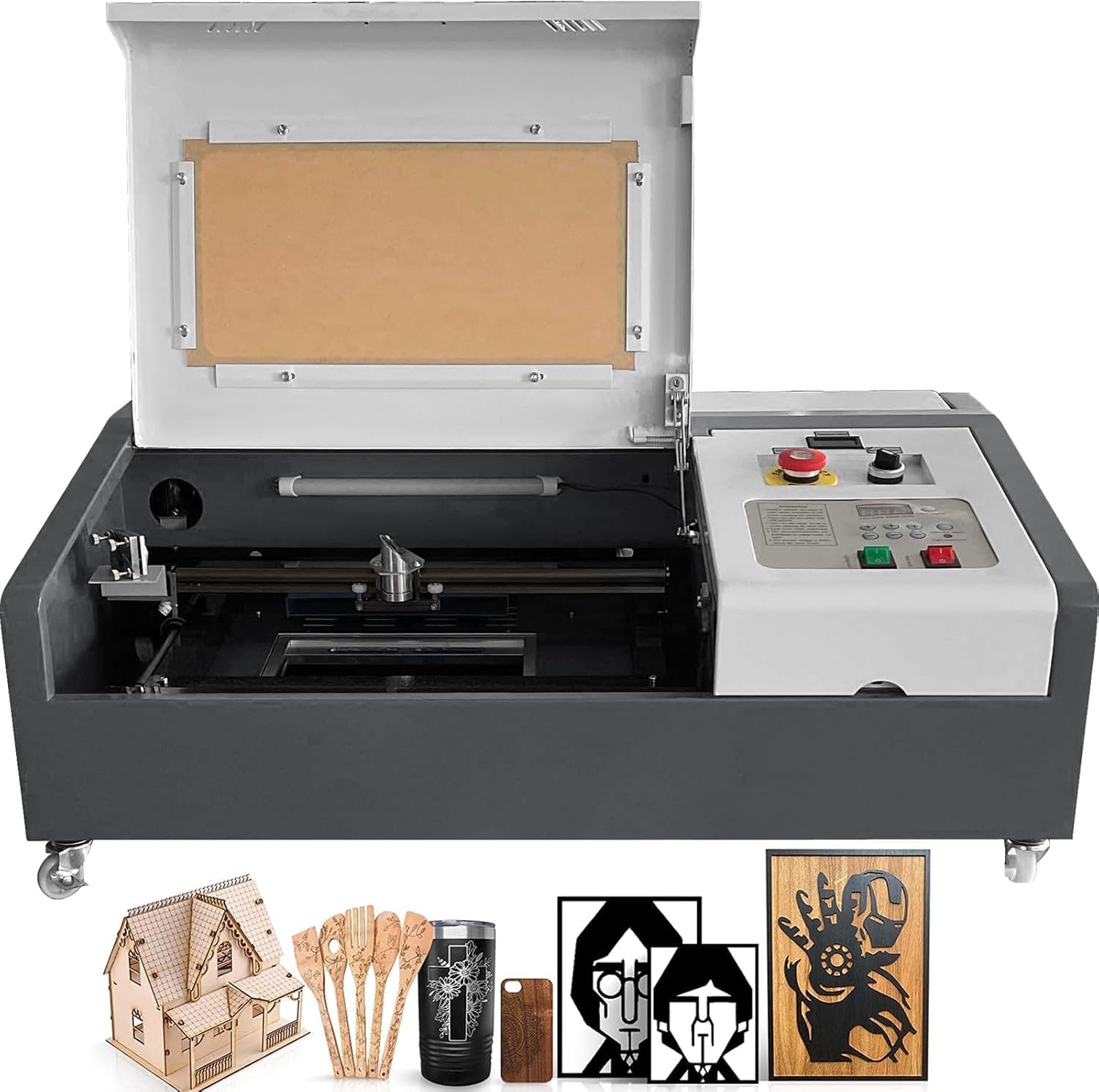
50W CO2 Laser Engraver, 16x16 inch Desktop Laser Cutter and Engraving Machine Compatible with CorelDRAW, Windows XP 7 8 10, EMF, JPG, PLT, WMF for Wood Acrylic Fabric (16"x16")
$600+This is a 50-60W CO2 laser engraver with a 300x200mm engraving area and 0.01mm positioning accuracy, designed for hobbyists and small businesses working with non-metallic materials.

LaserPecker LP5 Smart Dual 20W Fiber + Diode Laser Engraver Cutter with Rotary Extension, Slide Extension & Air Purifier, 3D Embossing, Color Engraving, Ideal for On-site Customization
$600+A dual 20W Fiber and 20W Diode laser engraver with 10,000mm/s speed, ideal for on-site customization across nearly all materials.

WIZMAKER 12W Laser Engraver Machine, Portable Carving Machine, 300x300mm Carving Area, 0.1mm High-Precision DIY Production, Suitable for Wood, Metal, Acrylic and Other Materials
$150-$299This is a 12W laser engraver with a 300x300mm carving area and 0.1mm precision, designed for DIY production on various materials.