
CC3D Silk Red PLA Filament 1.75 mm 1KG 3D Printer Filament Spool FDM 3D Printing Material Shiny Finish Silky PLA Glossy Metal Filament Metallic Red PLA
Want the best price and purchase timing?
Our AI advisor analyzes real-time pricing across all channels to find you the best deal.
AI Verdict
This 1.75mm, 1KG Polylactic Acid filament delivers a shiny, metallic red finish for FDM 3D printing, ideal for arts and decorative projects.
This filament is a strong choice if your primary goal is a visually appealing, shiny metallic red finish for non-functional prints. Its Polylactic Acid material and specific silk additives make it less suitable for parts needing high strength or heat resistance, requiring careful print setting adjustments.
If you need stronger, more durable prints with higher heat resistance, look for PETG or ABS filaments with similar color profiles.
Regret Score™
Very High RiskLower is better — measures purchase-regret risk from real buyer complaints, review credibility, and product maturity
Issues discovered after purchase
Critically weak dimension
Amazon rating vs actual quality
Chance this product isn't for you
Pros
- Produces a shiny, glossy, metallic red appearance on finished 3D prints, suitable for arts and crafts
- Formulated for wide compatibility with FDM 3D printers
- Designed for consistent feeding and stable printing without edge warping or clogging under optimal conditions
- Made from Polylactic Acid, which is an eco-friendly material
- Recommended printing temperature range of 195-225°C and heat bed of 50-60°C offers a clear starting point for users
Cons
- Silk PLA generally exhibits lower strength and increased brittleness compared to standard PLA
- Printers with Bowden Drive Extruders may experience clogging issues due to the lower softening temperature of silk PLA
- Requires specific printing speed recommendations, such as <40mm/s for general printing and 20-25mm/s for the first layer, which can extend print times
- Optimal retraction settings (0-5mm, <45mm/s) are critical and may need adjustment to prevent issues like stringing or clogging
Dimension Scores
The filament has a diameter tolerance of ±0.05mm and is designed for consistent feeding and stable printing, indicating a focus on print quality.
While marketed as 'easy to print' and widely compatible, the specific temperature and speed requirements, plus potential clogging with Bowden extruders, mean it's not as plug-and-play as standard PLA.
Its primary strength is aesthetic appeal for arts and crafts, limiting its use for functional or high-strength applications compared to other filament types.
Silk PLA is generally known to be more brittle than standard PLA, making it less durable for parts that will experience stress or impact.
Best For
- Creating visually striking 3D printed art and craft pieces with a metallic red look
- Producing decorative objects where aesthetic appeal is prioritized over structural strength
- Users familiar with adjusting print settings for specialized filaments to achieve optimal results
- FDM 3D printers capable of precise temperature and speed control
Not Recommended For
- Functional parts requiring high mechanical strength or durability
- Applications exposed to high temperatures or direct sunlight due to PLA's material properties
- Beginners unwilling to fine-tune printer settings, especially with Bowden extruders
- Projects where a matte or non-reflective finish is desired
Watch Out For
- Clogging can occur, particularly with Bowden Drive Extruders, due to silk PLA's lower softening temperature, often requiring users to turn off retraction settings or clean the nozzle
- Silk PLA is reported to be more brittle than standard PLA, making prints susceptible to breakage if not handled carefully or designed for strength
- Achieving the intended shiny finish and preventing issues like stringing or poor layer adhesion demands careful calibration of printing temperature (195-225°C), bed temperature (50-60°C), and print speed (<40mm/s)
- Some users report needing to print at higher than normal temperatures (e.g., 235°C initial, 230°C subsequent) to prevent issues like edge curling, which deviates from the recommended range
Full Specifications
| ASIN | B07MDBZT5H |
| Size | Silk PLA Filament |
| Brand | CC3D |
| Color | Silk Red |
| Material | Polylactic Acid |
| Item Weight | 2.2 pounds |
| Manufacturer | Hangzhou Zhuopu New Materials Technology Co.,Ltd. |
| Item Diameter | 1.75 Millimeters |
| Material Type | Polylactic Acid |
| Number of Items | 1 |
| Item model number | A15-DYHCPLA1-SN |
| Product Dimensions | 8.27 x 8.27 x 2.76 inches |
| Manufacturer Part Number | C001659 |
| Is Discontinued By Manufacturer | No |
What Buyers Say
The most striking feedback is how much users love the shiny, metallic red look this filament produces, often comparing it favorably to other silk PLAs for its visual pop. However, this aesthetic comes with a trade-off, as many users report that silk PLA, including this one, is noticeably more brittle than regular PLA. Some also mention needing to dial in print settings carefully, especially temperature and retraction, to avoid issues like clogging or poor layer adhesion, particularly with Bowden extruders.
“OMG, this red is SO pretty, like a fancy car! But seriously, don't try to make anything structural with it, it'll just snap. Looks amazing though, for my little statues it's perfect!”
Common Praise
- The finished prints have a genuinely shiny, glossy, and metallic red appearance
- The color is vibrant and stands out, making projects look premium
- It's suitable for decorative items and models where visual impact is key
- Achieves a smooth, reflective surface that makes objects look polished
Common Complaints
- Silk PLA is often more brittle than standard PLA, leading to concerns about part strength
- Clogging can be an issue, especially for printers with Bowden extruders, sometimes requiring specific adjustments like turning off retraction
- Requires careful tuning of print settings, including temperature and speed, to get optimal results and prevent issues like stringing or poor adhesion
- Some users find it more sensitive to drafts or environmental changes during printing, leading to issues like edge curling
Ownership Tips
- The metallic sheen is very apparent in good lighting, making prints look more expensive than they are.
- Prints feel noticeably more rigid and less flexible than standard PLA, confirming the brittleness.
- Requires a slower print speed than typical PLA to maintain the glossy finish and prevent layer inconsistencies.
- Objects printed with this filament might need extra support if they have thin or delicate features, due to the material's inherent brittleness.
Frequently Asked Questions
What are the recommended printing temperatures for this filament?
The manufacturer recommends a printing temperature range of 195-225°C and a heat bed temperature of 50-60°C. Printing speed should be less than 40mm/s.
Is this filament compatible with all FDM 3D printers?
It has wide compatibility with FDM 3D printers. However, users with Bowden Drive Extruders might experience clogging due to the lower softening temperature of silk PLA.
Is this silk PLA filament strong?
Silk PLA is generally reported to be more brittle and less strong than standard PLA, so it's not ideal for functional parts requiring high durability.
What kind of finish can I expect from prints with this filament?
You can expect a shiny, glossy, metallic red appearance on your finished 3D printed items.
What should I do if my printer clogs while using this filament?
If you experience clogging, especially with a Bowden extruder, try turning off retraction settings and cleaning the nozzle before printing again.
Buying Guide
When buying silk PLA like this, you're primarily investing in aesthetics. This filament is designed to give your 3D prints a shiny, metallic red look, which is fantastic for decorative items, cosplay props, or art pieces. However, understand that this visual appeal often comes at the cost of strength; silk PLA is typically more brittle than standard PLA. You'll also need to pay closer attention to your printer's temperature and speed settings to get the best results and avoid common issues like clogging.
material: Polylactic Acid
PLA is a popular 3D printing material because it's easy to print and derived from renewable resources. However, it's not as strong or heat-resistant as some other plastics, meaning prints might deform in hot environments or break under stress.
diameter: 1.75 Millimeters
This is the most common filament diameter for FDM 3D printers. Ensuring your printer is designed for 1.75mm filament is crucial for proper feeding and extrusion, like making sure you have the right size straw for your drink.
Shiny Metalllic Red
This describes the unique visual characteristic of the filament. It means your finished prints will have a reflective, glossy, and metallic red appearance, making them stand out visually compared to matte or standard colored filaments.
Recommend Printing Temperature: 195-225°C
This range tells you the ideal temperature your printer's hot end should be set to for melting the filament. Printing too cold can cause clogs and poor layer adhesion, while too hot can lead to stringing or oozing, like trying to cook something at the wrong temperature.
Alternatives
If you need prints with higher strength, impact resistance, or better heat deflection, look for PETG or ABS filaments. For easier printing with less brittleness and if the metallic sheen isn't essential, consider standard PLA.
You Might Also Like

xTool F2 Ultra UV Laser Engraver, 5W UV Laser, 3D Inner and Fine Glass Engraving, Dual 48MP Cameras, 15,000 mm/s High Speed, AI Powered 2D-to-3D Software, Ultra-Precise Detail on Glass Plastic Acrylic
$600+A 5W UV laser engraver with <10μm spot size for 3D inner glass engraving and cold processing heat-sensitive materials.
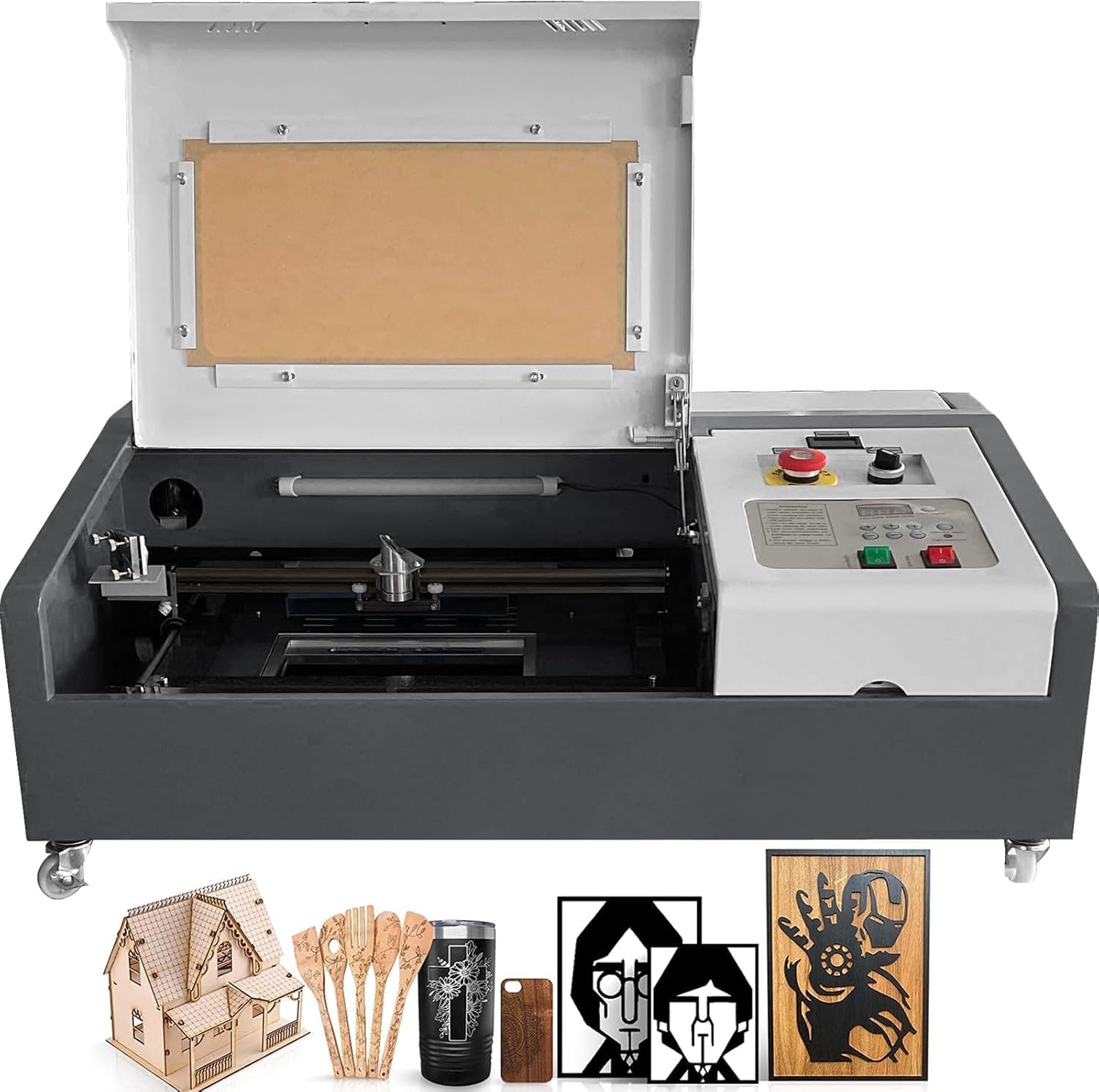
50W CO2 Laser Engraver, 16x16 inch Desktop Laser Cutter and Engraving Machine Compatible with CorelDRAW, Windows XP 7 8 10, EMF, JPG, PLT, WMF for Wood Acrylic Fabric (16"x16")
$600+This is a 50-60W CO2 laser engraver with a 300x200mm engraving area and 0.01mm positioning accuracy, designed for hobbyists and small businesses working with non-metallic materials.

LaserPecker LP5 Smart Dual 20W Fiber + Diode Laser Engraver Cutter with Rotary Extension, Slide Extension & Air Purifier, 3D Embossing, Color Engraving, Ideal for On-site Customization
$600+A dual 20W Fiber and 20W Diode laser engraver with 10,000mm/s speed, ideal for on-site customization across nearly all materials.

WIZMAKER 12W Laser Engraver Machine, Portable Carving Machine, 300x300mm Carving Area, 0.1mm High-Precision DIY Production, Suitable for Wood, Metal, Acrylic and Other Materials
$150-$299This is a 12W laser engraver with a 300x300mm carving area and 0.1mm precision, designed for DIY production on various materials.