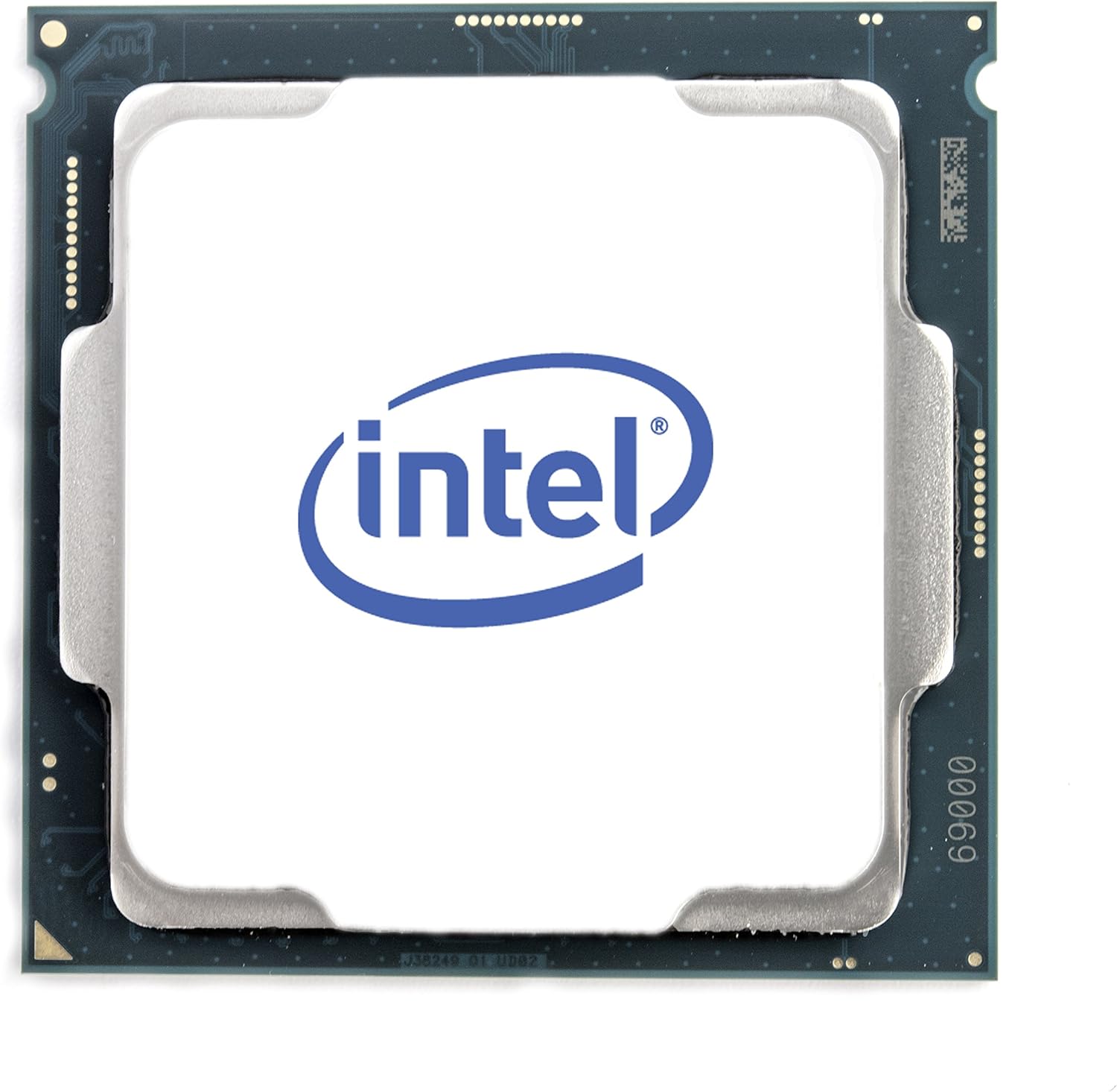
Intel BX80684I78700 8th Gen Core i7-8700 Processor
Want the best price and purchase timing?
Our AI advisor analyzes real-time pricing across all channels to find you the best deal.
AI Verdict
This 6-core, 12-thread 3.2 GHz processor is for users building a mid-range system on an Intel 300-series motherboard.
The Intel Core i7-8700 is a situational fit because its 6 cores and 12 threads with a 4.6 GHz turbo frequency still offer adequate performance for many tasks, especially when paired with a capable GPU. However, its age, platform limitations to Intel 300 series chipsets, and lack of overclocking mean it's not a universal recommendation for new builds.
If you need more performance or future-proofing, look for a processor with a newer architecture, higher core counts, and support for PCIe 4.0 or 5.0.
Regret Score™
Medium RiskLower is better — measures purchase-regret risk from real buyer complaints, review credibility, and product maturity
Issues discovered after purchase
Critically weak dimension
Amazon rating vs actual quality
Chance this product isn't for you
Pros
- Features 6 Cores and 12 Threads, allowing for efficient multitasking.
- Achieves up to 4.60 GHz Max Turbo Frequency for single-core performance bursts.
- Includes Intel UHD Graphics 630, providing display output without a dedicated GPU.
- Equipped with 12 MB Cache for faster data access and processing.
- Supports Intel Hyper-Threading Technology, improving parallel processing capabilities.
Cons
- Requires motherboards based only on Intel 300 Series Chipsets, limiting upgrade paths.
- Does not support overclocking, meaning you're limited to stock speeds.
- The included stock cooler is often inadequate, leading to thermal throttling under load.
- Integrated Intel UHD Graphics 630 is not suitable for demanding gaming or graphic-intensive applications.
- Limits to PCIe 3.0 and DDR4-2266 RAM speeds, which can bottleneck newer components.
Dimension Scores
The processor's 4.60 GHz Max Turbo Frequency provides above-average single-thread performance for its generation, but it's surpassed by newer architectures.
With 6 cores and 12 threads, it offers solid multi-threaded performance for its era, handling multitasking better than 4-core predecessors.
While having a 65W TDP, under heavy load, power consumption can spike higher than expected, requiring adequate cooling to maintain performance.
Released in 2017, its 8th-generation architecture, limited 300-series chipset compatibility, and PCIe 3.0 support make it an aging platform with limited future upgrade potential.
Best For
- Building a mid-range PC for general productivity and office tasks.
- Gaming with a dedicated graphics card, especially at 1080p or 1440p resolutions.
- Light content creation like photo editing and casual video editing.
- Systems where integrated graphics are necessary for display output or basic media consumption.
Not Recommended For
- High-end gaming without a powerful discrete GPU, due to integrated graphics limitations.
- Professional-grade video rendering or intensive 3D modeling, which demand more modern multi-core performance.
- Enthusiasts who plan to overclock their CPU for maximum performance.
Watch Out For
- The stock cooler is frequently reported as insufficient, causing the CPU to run hot and potentially throttle under load.
- Compatibility is restricted to Intel 300 series chipsets, meaning older motherboards won't work and future upgrades require a new motherboard.
- Performance can vary significantly depending on the motherboard's power delivery and cooling, as some OEMs may strictly adhere to the 65W TDP, limiting sustained turbo frequencies.
- Lacks an unlocked multiplier, preventing any user-initiated overclocking to boost performance beyond factory settings.
- The platform is limited to PCIe 3.0 and DDR4-2266 RAM, which can create a bottleneck for newer, faster GPUs and memory.
Full Specifications
| ASIN | B07598HLB4 |
| Brand | Intel |
| Color | Multicolor |
| Series | BX80684I78700 |
| Voltage | 240 Volts |
| CPU Model | Core i7 |
| CPU Speed | 3.2 GHz |
| Processor | 3.2 GHz core_i7 |
| CPU Socket | 1 |
| Item Weight | 0.811 ounces |
| Manufacturer | Intel |
| Memory Speed | 3200 MHz |
| Processor Brand | Intel |
| CPU Manufacturer | Intel |
| Card Description | integrated |
| Item model number | BX80684I78700 |
| Product Dimensions | 4.7 x 4.2 x 4.7 inches |
| Computer Memory Type | DDR4 SDRAM |
| Graphics Coprocessor | Intel HD Graphics |
| Number of Processors | 6 |
| Item Dimensions LxWxH | 4.7 x 4.2 x 4.7 inches |
| Number of USB 2.0 Ports | 1 |
| Is Discontinued By Manufacturer | No |
What Buyers Say
Many users quickly discover the stock cooler isn't up to the task, leading to thermal issues and the need for an aftermarket solution to sustain turbo frequencies. Despite being an older chip, it still holds its own for gaming when paired with a dedicated GPU, though some users note its limitations with PCIe 3.0 and DDR4-2266 RAM for modern components. The lack of overclocking is a recurring point for enthusiasts, who feel restricted by the locked multiplier. Its compatibility solely with Intel 300 series motherboards also means that upgrading from older systems or to newer ones is a full platform overhaul.
“Man, this thing runs hot with the stock cooler, had to grab a Hyper 212 Evo just to keep it from throttling, but once that was sorted, it's actually pretty snappy for my games and streaming, even if I can't push it further.”
Common Praise
- Handles gaming well, especially when combined with a powerful discrete graphics card.
- Manages multitasking effectively due to its 6 cores and 12 threads.
- Offers a noticeable performance upgrade over older 4-core processors.
- Provides integrated graphics (UHD 630) for basic display needs.
- Maintains decent performance for everyday computing and office applications.
Common Complaints
- The bundled stock cooler is widely considered insufficient and causes the CPU to run hot.
- Cannot be overclocked, limiting performance tuning for enthusiasts.
- Requires a specific Intel 300 series motherboard, making it incompatible with older or newer chipsets.
- Integrated graphics are too weak for modern gaming or demanding graphical tasks.
- Limited to PCIe 3.0 and DDR4-2266 memory speeds, which can bottleneck newer hardware.
Ownership Tips
- You'll probably need to buy an aftermarket CPU cooler almost immediately to avoid thermal issues and maintain turbo boost frequencies.
- The integrated graphics are fine for watching videos or basic desktop use, but don't expect to game on them at all.
- Upgrading any other major component like a GPU might highlight the PCIe 3.0 limitation, especially with high-end cards.
- Finding compatible 300-series motherboards might be harder and more expensive now, as the platform is older.
- Even though it's not a 'K' chip, it still turbos up to 4.6 GHz on a single core, which is still good for many applications.
Frequently Asked Questions
Does the Intel Core i7-8700 come with a CPU cooler?
Yes, it typically comes with a stock Intel cooler. However, many users report this cooler is inadequate for keeping temperatures low under load, suggesting an aftermarket cooler is a wise investment.
Can I overclock the i7-8700?
No, the i7-8700 is a non-K SKU processor, which means it has a locked multiplier and cannot be overclocked.
What motherboards are compatible with this processor?
This processor is only compatible with motherboards based on Intel 300 Series Chipsets, such as Z370, H370, B360, and H310.
Is the integrated Intel UHD Graphics 630 suitable for gaming?
The Intel UHD Graphics 630 is sufficient for basic tasks and media consumption, but it is not designed for demanding gaming or graphically intensive applications.
Does this CPU support PCIe 4.0?
No, the Intel Core i7-8700 is limited to PCIe 3.0, which can be a bottleneck for the latest graphics cards and NVMe SSDs.
Buying Guide
When looking at a CPU like this, you need to understand that it's the brain of your computer, and its capabilities dictate what your system can do. For a processor from 2017, you're not getting the absolute latest tech, so managing expectations is key. You're buying into an older platform, which means less flexibility for future upgrades without replacing the motherboard too. Focus on how its core count and clock speed align with the specific tasks you need to accomplish today, rather than expecting it to be a powerhouse for tomorrow's demanding software.
Cores/Threads
Think of cores as individual workers and threads as tasks each worker can handle simultaneously. This CPU has 6 cores and 12 threads, meaning it can juggle more tasks at once than a 4-core CPU, making it better for multitasking or applications that use multiple cores, like video editing.
Speed (GHz) & Max Turbo Frequency
The base speed (3.2 GHz) is like the CPU's regular pace, while the Max Turbo Frequency (4.6 GHz) is its sprint speed for demanding tasks. Higher numbers here generally mean faster performance, especially for applications that rely on single-core speed, like many games.
Socket & Chipset Compatibility
This is like the CPU's specific plug and the motherboard's matching outlet. The i7-8700 requires an LGA 1151 socket and an Intel 300 Series chipset. If your motherboard doesn't match, the CPU won't fit or work, so always check this first.
Integrated Graphics
This CPU has built-in Intel UHD Graphics 630, which is like having a basic, entry-level graphics card directly in the processor. It's enough to display your desktop and watch videos, but for serious gaming or graphic design, you'll need a separate, more powerful graphics card.
Alternatives
If this processor doesn't meet your needs, look for CPUs with newer architectures, higher core counts (8 or more), and support for PCIe 4.0 or 5.0 for better future compatibility and performance with modern GPUs and storage.
You Might Also Like

INTEL INTEL XEON Gold 6246R Processor (35.75M Cache, 3.40 GHZ)
$600+This is a 1-core, 3.40 GHz Xeon Gold processor designed for highly specialized server tasks, not general computing.

INTEL INTEL XEON Gold 6250 Processor (35.75M Cache, 3.90 GHZ)
$600+This is a 1-core, 3.9 GHz Intel Xeon Gold processor with 35.75MB cache, making it an unusual fit for demanding data center workloads.

AMD Ryzen 5 3600 6-Core, 12-Thread Unlocked Desktop Processor with Wraith Stealth Cooler
This 6-core, 12-thread AM4 processor with a 4.2 GHz max boost is for budget PC builders needing 100+ FPS in 1080p games and basic multitasking.

AMD Ryzen 7 3700X 8-Core, 16-Thread Unlocked Desktop Processor with Wraith Prism LED Cooler
An 8-core, 16-thread AM4 processor with a 4.4 GHz max boost, bundled with an RGB cooler, suitable for multi-threaded tasks.