
Panasonic LUMIX FZ80D Point and Shoot Digital Camera 4K Photo/Video Recording with Power Optical Image Stabilizer, Vlogging Camera with 60X Optical Zoom & 20-1200mm Wide-Angle Lens - DC-FZ80D
Want the best price and purchase timing?
Our AI advisor analyzes real-time pricing across all channels to find you the best deal.
AI Verdict
This is a 1.41-pound camera with a 60x optical zoom and 4K video, built for casual daytime shooting of distant subjects.
The 60x optical zoom (20-1200mm equivalent) and 4K video are compelling for capturing distant subjects in bright conditions. However, the small 1/2.3-inch MOS sensor and contrast-detect autofocus limit its performance in low light and with fast-moving action.
If low-light performance and faster autofocus are priorities, look for cameras with larger sensors (e.g., 1-inch type or Micro Four Thirds) and phase-detect autofocus systems.
Regret Score™
High RiskLower is better — measures purchase-regret risk from real buyer complaints, review credibility, and product maturity
Issues discovered after purchase
Critically weak dimension
Amazon rating vs actual quality
Chance this product isn't for you
Pros
- The 60x optical zoom (20-1200mm equivalent) allows for capturing distant subjects.
- Records 4K video at 30fps, providing detailed footage.
- Power Optical Image Stabilizer (O.I.S.) effectively suppresses hand-shake, especially at the tele-end.
- Post Focus feature enables adjusting the focus point after the photo has been taken.
- Features a 2,360K-dot LVF (Live View Finder) for clear viewing even in bright sunlight.
- Battery can be recharged via USB Type-C for convenience.
Cons
- The small 1/2.3-inch MOS sensor produces significant image noise and lacks fine detail at higher ISO settings.
- Contrast-detect autofocus is slow and struggles with rapidly moving subjects or in low light.
- The 3.0-inch rear screen is fixed and does not tilt or articulate, limiting shooting angles.
- Lacks an external microphone input, which restricts audio quality for video recording.
- Does not include Wi-Fi or Bluetooth connectivity for wireless photo transfer.
Dimension Scores
The small 1/2.3-inch MOS sensor leads to significant noise at higher ISOs and struggles with fine detail, especially in low light.
Contrast-detect autofocus is slow, especially in low light and unreliable with subjects moving quickly, making it difficult for action shots.
Records 4K video at 30fps with Power O.I.S., but lacks external mic input and has slow autofocus for moving subjects.
Weighing 1.41 pounds, it's described as large and bulky, not pocket-sized, though lighter than a DSLR with a similar zoom range.
Best For
- Capturing distant wildlife or landscapes in well-lit outdoor environments with its extreme zoom.
- Casual daytime photography and travel where a fixed-lens camera is preferred over interchangeable lenses.
- Recording 4K video clips outdoors where ambient light is plentiful.
- Users who prioritize a long zoom range over low-light image quality.
Not Recommended For
- Low-light photography or shooting indoors due to the small sensor's noise performance.
- Fast-action sports or rapidly moving subjects where quick and reliable autofocus is essential.
- Vlogging or serious video production that requires external audio input or a flexible screen.
Watch Out For
- Image quality degrades significantly in low light, with noticeable noise in shadowed areas and a lack of fine detail.
- Autofocus can hunt and is slow when tracking fast-moving subjects, particularly in video mode.
- The 1/2.3-inch MOS sensor struggles to resolve fine detail, especially at higher ISOs.
- No Wi-Fi or Bluetooth means you'll need a card reader for photo transfer to other devices.
- Battery life is rated at 240 shots using the EVF or 330 shots using the LCD, which is modest for extended shooting.
Full Specifications
| ASIN | B0D8239188 |
| Batteries | 1 AA batteries required. (included) |
| Item Weight | 1.41 pounds |
| Aspect Ratio | 16:9, 3:2, 4:3 |
| Manufacturer | Panasonic |
| Optical Zoom | 60 x |
| Maximum Aperture | 2.8 f |
| Item model number | DC-FZ80DK |
| Product Dimensions | 4.93 x 5.13 x 3.71 inches |
| Image Stabilization | Optical |
| Compatible Mountings | Micro Four Thirds |
| Expanded ISO Minimum | 80 |
| Maximum Focal Length | 1200 Millimeters |
| Metering Description | Face Detection, Multi |
| Supported File Format | MP4 |
| Photo Sensor Technology | MOS |
What Buyers Say
Many users are drawn to the FZ80D for its extreme 60x optical zoom, which allows for capturing distant subjects like wildlife and landscapes. However, a recurring theme is the camera's struggle with image quality in anything but bright, outdoor conditions, with noise becoming apparent even at moderate ISOs due to its small 1/2.3-inch sensor. The autofocus system, being contrast-detect, is frequently criticized for being slow and unreliable with moving targets, making it frustrating for action shots. The lack of Wi-Fi and a fixed screen are also common points of disappointment for those expecting modern conveniences.
“I bought this for the zoom, and yeah, it zooms far, but trying to get a clear shot of my kid's soccer game was a nightmare, and forget about indoor pictures, it's just noisy garbage.”
Common Praise
- The 60x optical zoom (20-1200mm equivalent) captures distant subjects with clarity in good light.
- 4K video recording at 30fps produces detailed footage.
- Power Optical Image Stabilizer effectively reduces hand-shake at long zoom lengths.
- Post Focus feature is a useful tool for adjusting focus after the shot.
- The 2,360K-dot LVF provides a clear view even in bright sunlight.
- USB Type-C charging is convenient.
Common Complaints
- Image quality suffers significantly in low light, with visible noise and reduced detail.
- Autofocus is slow and struggles to track fast-moving subjects, especially in video.
- The rear screen is fixed and does not articulate or tilt, which limits shooting angles.
- No external microphone input means relying on the built-in mono microphone.
- Lack of Wi-Fi or Bluetooth for easy photo transfer.
- The camera feels large and bulky, not a pocket camera.
Ownership Tips
- You'll need to carry extra batteries or a power bank if you plan on extended shooting, as the battery life is modest.
- Processing RAW files in software like Lightroom can significantly improve image quality, especially noise reduction, making higher ISOs more usable.
- The camera's menu system is user-friendly, but the sheer number of buttons and options can be daunting initially.
- The lens extends considerably when fully zoomed, making it less discreet.
- The lack of an eye sensor means the camera won't automatically switch between the EVF and the screen.
Frequently Asked Questions
Does the FZ80D have Wi-Fi?
No, the FZ80D lacks Wi-Fi and Bluetooth connectivity for wireless photo transfer.
Can I attach an external microphone?
No, the camera does not have an external microphone input, limiting its potential for higher quality audio in videos.
How does it perform in low light?
The small 1/2.3-inch MOS sensor struggles in low light, producing noticeable image noise and a lack of fine detail at higher ISO settings.
Is the screen articulated?
No, the 3.0-inch rear screen is fixed and does not tilt or articulate.
Can it shoot RAW files?
Yes, the FZ80D can shoot RAW files, which can be processed with software like Adobe Lightroom to improve image quality, especially with noise reduction.
What is the battery life like?
Battery life is rated at 240 shots when using the electronic viewfinder and 330 shots when using the rear LCD.
Buying Guide
When looking at cameras like this, you're trading sensor size for zoom range. A smaller sensor, like the 1/2.3-inch in the FZ80D, allows for that massive 60x optical zoom in a relatively compact body, but it means less light captured and more noise in dim conditions. Autofocus speed is also a big deal; contrast-detect systems are generally slower than phase-detect, which impacts how well you can capture moving subjects.
Sensor Size
This is how big the light-gathering part of the camera is. A 1/2.3-inch sensor is small, like what you'd find in a smartphone, meaning it struggles in low light and produces more digital noise compared to larger sensors.
Optical Zoom
This tells you how much the lens can physically magnify a distant subject. A 60x optical zoom is huge, letting you get incredibly close to things far away without losing image quality, unlike digital zoom.
Max Aperture (f-number)
This indicates how wide the lens can open to let in light. A lower f-number (like f/2.8) means more light, which is better for low light and creating blurry backgrounds. The FZ80D's aperture changes as you zoom, getting smaller (e.g., f/5.9) at the tele-end, meaning less light at max zoom.
Image Stabilization
This feature helps counteract camera shake, especially important when using long zoom lenses or shooting in lower light. Optical Image Stabilization (O.I.S.) uses physical lens elements to stabilize the image, making handheld shots sharper.
Alternatives
If you need better image quality in low light or faster autofocus for action, look for cameras with larger sensors (e.g., 1-inch or Micro Four Thirds) and more advanced autofocus systems, even if it means sacrificing some zoom range.
You Might Also Like

NexiGo N660P Pro 4K Webcam with Distortion-Free Lens, 1080p 60 fps Autofocus USB Streaming Camera, 3DNR, Noise-Canceling Mics & Privacy Cover, Web Cam for Gaming/Live Streaming/PC/Mac/Switch 2, Pink
$50-$99This is a 4K CMOS webcam with 3DNR and dual noise-canceling mics, designed for plug-and-play use across multiple platforms.
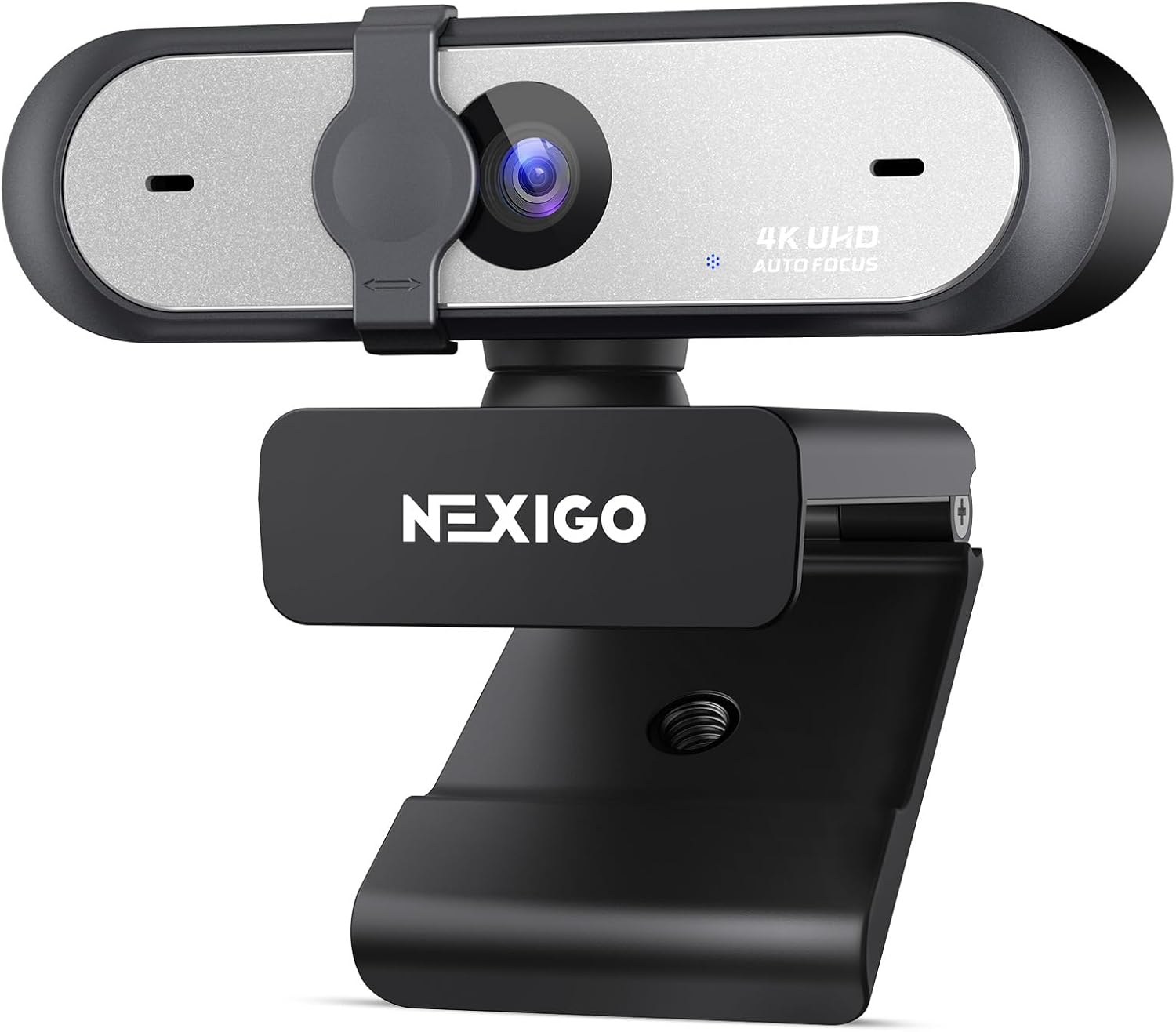
NexiGo N660P Pro 4K Webcam with Distortion-Free Lens, 1080p 60 fps Autofocus USB Streaming Camera, 3DNR, Noise-Canceling Mics & Privacy Cover, Web Cam for Gaming/Live Streaming/PC/Mac/Switch 2, Black
$50-$99This is a 4K 30fps or 1080p 60fps webcam with autofocus, dual noise-canceling mics, and a privacy cover, designed for streaming and video calls on various platforms.

NexiGo N660P Pro 4K Webcam with Distortion-Free Lens, 1080p 60 fps Autofocus USB Streaming Camera, 3DNR, Noise-Canceling Mics & Privacy Cover, Web Cam for Gaming/Live Streaming/PC/Mac/Switch 2, White
$50-$99This 4K webcam with 1080p 60 fps streaming, autofocus, and dual noise-canceling mics is for users needing high resolution and smooth video without external software.

4K Webcam with Autofocus & Tripod, Camera for PC Laptop with Dual Microphone, USB Computer Camera with Low Light Correction, Auto White Balance, Video Camera for Streaming, Meetings, Office, Zoom
$0-$49A 4K webcam with a CMOS sensor and f/2.8 aperture, designed for basic video calls and streaming on a budget.