
Nikon Z6 III | Full-Frame mirrorless Stills/Video Camera with 6K/60p Internal RAW Recording | Nikon USA Model
Want the best price and purchase timing?
Our AI advisor analyzes real-time pricing across all channels to find you the best deal.
AI Verdict
A hybrid full-frame mirrorless camera with a 24.5MP partially-stacked CMOS sensor and 6K/60p internal RAW recording, built for advanced stills and video creators.
The Nikon Z6 III is a strong fit for hybrid content creators due to its 6K/60p internal RAW video, 4K/120p, and advanced autofocus with multi-subject recognition, making it adept for both stills and video. The partially stacked sensor effectively minimizes rolling shutter, which is crucial for capturing fast-moving subjects.
If your workflow demands extensive cropping or very large prints, consider cameras with 45MP or higher resolution sensors.
Regret Score™
Medium RiskLower is better — measures purchase-regret risk from real buyer complaints, review credibility, and product maturity
Issues discovered after purchase
Critically weak dimension
Amazon rating vs actual quality
Chance this product isn't for you
Pros
- Records 6K/60p internal N-RAW video, 4K/120p, and Full HD/240p slow motion.
- EVF offers 4000 nits maximum brightness, 5760k-dot resolution, DCI-P3 color gamut, and a 120 fps refresh rate.
- Autofocus detects subjects down to -10EV, is approximately 20% faster than the Z6II, and includes sophisticated multi-subject recognition.
- Partially stacked 24.5MP CMOS sensor provides fast readout speeds and minimal rolling shutter distortion.
- Features in-body image stabilization rated up to 8.0 stops.
- Offers extensive customizable controls and an adaptable Z mount for a wide range of lenses.
Cons
- The 24.5MP resolution can be limiting for heavy cropping or very large prints.
- Video vibration reduction can exhibit jitter, particularly during panning movements.
- USB-C port does not simultaneously power the camera and charge the battery; it only slows battery drain or charges when off.
- Dynamic range may show a slight penalty in extreme shadow areas compared to some other sensors.
- N-RAW video codec is not natively supported by all major editing software, requiring workarounds for some platforms like Premiere Pro.
- Lacks video backup recording due to the differing speeds of its CFexpress Type B and SD card slots.
Dimension Scores
The 24.5MP CMOS sensor delivers high-quality images with good dynamic range, though some peers offer higher resolution or slightly better shadow recovery.
Autofocus is approximately 20% faster than the Z6II, detects down to -10EV, and features sophisticated multi-subject recognition, performing very close to top competitors.
Offers 6K/60p internal N-RAW, 4K/120p, Full HD/240p, minimal rolling shutter, and 10-bit 4:2:2 color depth, making it a very capable video camera.
As a full-frame mirrorless camera, its size and weight are typical for its class, making it reasonably portable but not exceptionally compact.
Best For
- Hybrid shooters prioritizing advanced video capabilities, including 6K/60p internal RAW.
- Photographers and videographers needing strong low-light autofocus performance down to -10EV.
- Action and sports shooters benefiting from fast burst rates and minimal rolling shutter.
- Users requiring a bright, high-resolution electronic viewfinder for clear outdoor viewing.
Not Recommended For
- Photographers who frequently crop images heavily and require maximum resolution from a 45MP+ sensor.
- Videographers exclusively using editing software that lacks native N-RAW support without external conversion.
- Users who need to power the camera via USB-C while simultaneously charging the battery.
Watch Out For
- The 24.5MP sensor resolution can be a limitation if you frequently need to crop images significantly, especially for wildlife photography.
- Video vibration reduction can introduce jitter, particularly when performing camera pans.
- The USB-C port does not allow for simultaneous camera operation and battery charging; it only slows battery drain when on or charges when off.
- N-RAW video files require specific editing software like Davinci Resolve or external conversion for full compatibility with platforms such as Premiere Pro.
- There is no video backup recording option when using both card slots due to their different speed capabilities.
Full Specifications
| Brand | Nikon |
| Aspect Ratio | Unknown |
| Optical Zoom | 1 |
| Maximum Aperture | 22 f |
| Image Stabilization | Sensor-shift |
| Compatible Mountings | Nikon Z |
| Expanded ISO Minimum | 100 |
| Metering Description | Evaluative |
| Supported File Format | JPEG |
| Photo Sensor Technology | CMOS |
What Buyers Say
Users frequently highlight the camera's video capabilities, especially the 6K/60p internal RAW and the minimal rolling shutter achieved by the partially stacked sensor. The EVF receives praise for its exceptional brightness and resolution, making it usable even in harsh sunlight. However, the 24.5MP resolution is a recurring point of discussion, with some users wishing for more megapixels for heavy cropping, particularly for wildlife. The video image stabilization is noted as sometimes jittery during pans, and the USB-C charging limitation is a minor but consistent complaint.
“This camera is a video beast, seriously, the 6K RAW is insane, but man, I wish I had more megapixels for those bird shots I gotta crop hard. And that USB-C not charging while shooting? Annoying.”
Common Praise
- 6K/60p internal N-RAW video recording provides immense post-production flexibility.
- The EVF's 4000 nits brightness and 5760k-dot resolution offer clear, detailed viewing in bright conditions.
- Fast burst shooting with CFexpress Type B cards and a generous buffer allows for capturing rapid action.
- Minimal rolling shutter effect due to the partially stacked sensor benefits both stills and video.
- Improved autofocus system with sophisticated multi-subject recognition is nearly on par with top competitors.
- Ergonomics and customizable controls are well-designed and comfortable for extended use.
Common Complaints
- The 24.5MP resolution can limit cropping potential, especially for subjects like distant wildlife.
- Video vibration reduction can be jittery, particularly when panning the camera.
- The USB-C port does not allow simultaneous powering and charging while the camera is in operation.
- N-RAW codec compatibility issues with some popular editing software like Premiere Pro can complicate workflows.
- A slight dynamic range penalty in deep shadows is sometimes observed compared to other sensors.
- Lack of video backup recording when using both card slots due to speed differences.
Ownership Tips
- The partially stacked sensor dramatically reduces rolling shutter, making electronic shutter use much more practical for fast-moving subjects.
- The EVF's extreme brightness and resolution are a game-changer for shooting outdoors in direct sunlight.
- Using CFexpress Type B cards is essential to fully utilize the camera's high-speed burst and internal RAW video capabilities.
- The Z mount's adaptability means you can use a wide array of lenses, including older F-mount lenses with an adapter, often with improved AF performance.
- Despite discussions about dynamic range, RAW files offer significant flexibility for editing, even in challenging lighting.
Frequently Asked Questions
Is the 24.5MP sensor sufficient for professional use?
The 24.5MP sensor is capable of producing high-quality images suitable for many professional applications and large prints. However, if you frequently perform extreme crops, a higher megapixel camera might offer more flexibility.
How effective is the in-body image stabilization for video?
The camera features in-body image stabilization rated up to 8.0 stops for stills. For video, while it helps reduce camera shake, some users report that video VR can be jittery, especially during panning movements.
Can I power the camera via USB-C while shooting?
The USB-C port does not support simultaneous powering and charging while the camera is in use. It will only slow the battery drain or charge the battery when the camera is turned off.
What is the dynamic range like, especially compared to other cameras?
The Z6 III has excellent RAW image quality with good dynamic range, allowing for recovery of detail in highlights and shadows. Some technical reviews note a slight dynamic range penalty in extreme dark areas due to the partially stacked sensor, but it's generally not noticeable in practical use.
What video codecs does the Z6 III support?
The camera supports 6K/60p internal N-RAW video recording, 6K/30p ProRes Raw, and 5.4K/60p H.265 video. N-RAW offers high compression but may require specific software like Davinci Resolve for editing.
Buying Guide
Before buying, figure out if your main priority is video or stills, and how much resolution you actually need. Understand that the 'partially stacked' sensor is a big deal for reducing the 'jello effect' in video and allowing super-fast electronic shutter speeds without distortion, but it's not a 45MP sensor for extreme cropping.
Partially-stacked CMOS sensor
This isn't just a fancy term; it means the sensor can read data much faster than traditional sensors. This drastically reduces the 'jello effect' (rolling shutter) in video and allows for incredibly fast electronic shutter speeds without distorting moving subjects, which is huge for action photography and video.
6K/60p Internal N-RAW video
This is professional-grade video recording, capturing raw sensor data directly inside the camera. It gives you immense flexibility in post-production for color grading, exposure adjustments, and recovering detail, far beyond what standard compressed video offers.
4000 nits EVF
This number tells you how bright the electronic viewfinder gets. 4000 nits is exceptionally bright, meaning you'll get a clear, usable view of your scene even under direct, harsh sunlight, which is a massive advantage for outdoor shooting where LCD screens can wash out.
AF detection down to -10EV
This refers to the camera's ability to autofocus in extremely dark conditions. -10EV is incredibly dim, meaning the camera can accurately lock focus in situations where your own eyes might struggle to see anything clearly, making it great for night photography or dimly lit events.
Alternatives
If you need significantly higher resolution for extensive cropping or very large prints, search for cameras with 45+ megapixel full-frame sensors. If you prioritize a smaller, lighter body for casual shooting and don't require advanced video features, look for more compact mirrorless options.
You Might Also Like

NexiGo N660P Pro 4K Webcam with Distortion-Free Lens, 1080p 60 fps Autofocus USB Streaming Camera, 3DNR, Noise-Canceling Mics & Privacy Cover, Web Cam for Gaming/Live Streaming/PC/Mac/Switch 2, Pink
$50-$99This is a 4K CMOS webcam with 3DNR and dual noise-canceling mics, designed for plug-and-play use across multiple platforms.
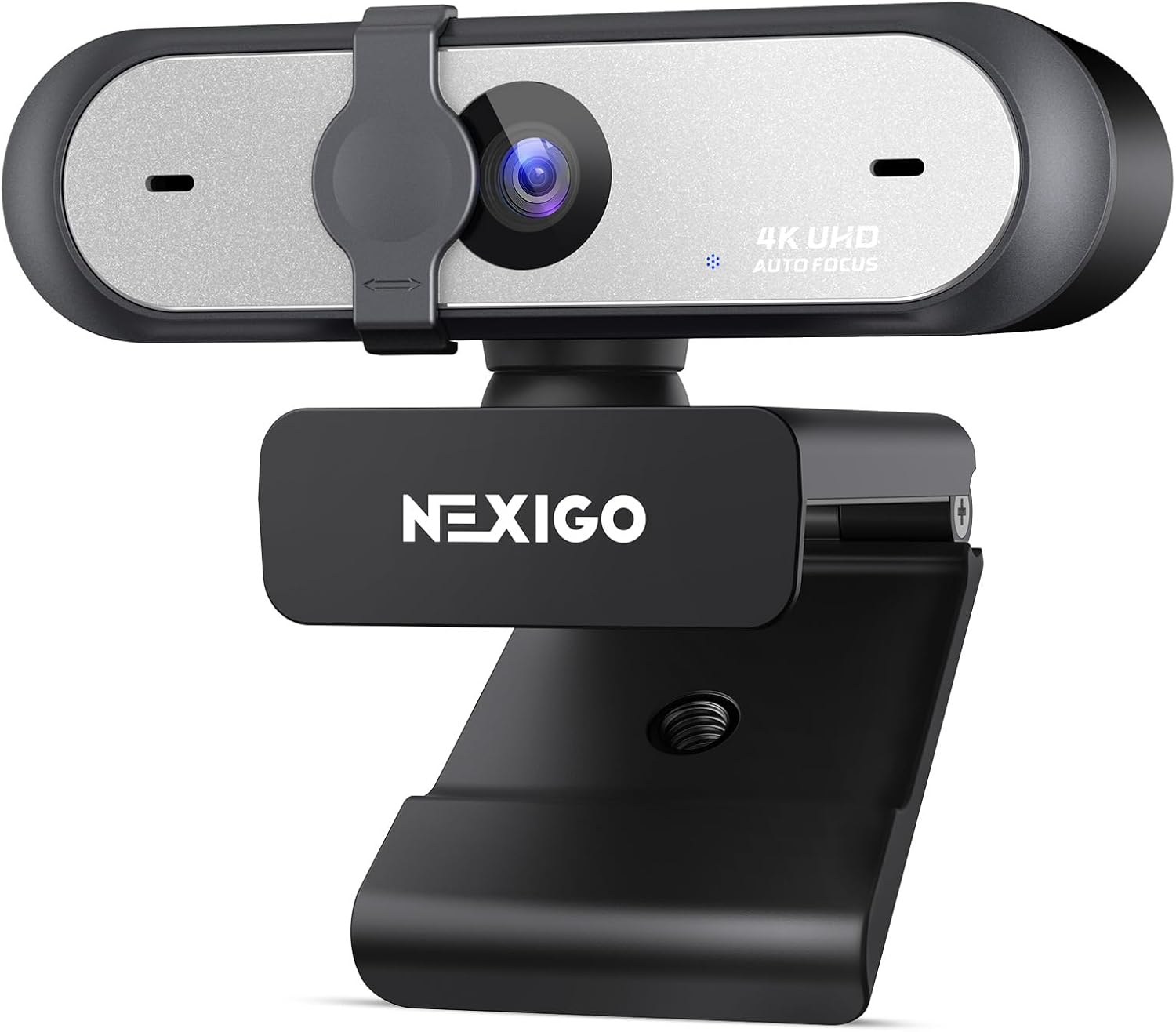
NexiGo N660P Pro 4K Webcam with Distortion-Free Lens, 1080p 60 fps Autofocus USB Streaming Camera, 3DNR, Noise-Canceling Mics & Privacy Cover, Web Cam for Gaming/Live Streaming/PC/Mac/Switch 2, Black
$50-$99This is a 4K 30fps or 1080p 60fps webcam with autofocus, dual noise-canceling mics, and a privacy cover, designed for streaming and video calls on various platforms.

NexiGo N660P Pro 4K Webcam with Distortion-Free Lens, 1080p 60 fps Autofocus USB Streaming Camera, 3DNR, Noise-Canceling Mics & Privacy Cover, Web Cam for Gaming/Live Streaming/PC/Mac/Switch 2, White
$50-$99This 4K webcam with 1080p 60 fps streaming, autofocus, and dual noise-canceling mics is for users needing high resolution and smooth video without external software.

4K Webcam with Autofocus & Tripod, Camera for PC Laptop with Dual Microphone, USB Computer Camera with Low Light Correction, Auto White Balance, Video Camera for Streaming, Meetings, Office, Zoom
$0-$49A 4K webcam with a CMOS sensor and f/2.8 aperture, designed for basic video calls and streaming on a budget.