
OM SYSTEM Olympus Tough TG-7 Black Underwater Camera, Waterproof, Freeze Proof, High Resolution Bright, 4K Video 44x Macro Shooting (Successor Olympus TG-6)
Want the best price and purchase timing?
Our AI advisor analyzes real-time pricing across all channels to find you the best deal.
AI Verdict
This is a 12MP, 15-meter waterproof, 2.1-meter shockproof camera with 4x optical zoom and 4K video, built for extreme outdoor macro shooting.
This camera is a strong contender if you absolutely need a camera that can withstand extreme environments like being submerged 15 meters underwater or dropped from 2.1 meters. Its specialized macro capabilities are genuinely impressive, but for general photography or high-quality video, its 12MP sensor and digital stabilization mean it doesn't stand out against other options in its price range.
If ruggedness and macro aren't your top priorities, look for cameras with larger sensors (e.g., 1-inch type) for better overall image quality and dynamic range, or cameras with optical image stabilization for smoother video.
Regret Score™
Medium RiskLower is better — measures purchase-regret risk from real buyer complaints, review credibility, and product maturity
Issues discovered after purchase
Critically weak dimension
Amazon rating vs actual quality
Chance this product isn't for you
Pros
- Waterproof to 15 meters (50 feet), shockproof to 2.1 meters (7 feet), crushproof to 100 kilogram-force (220 pound-force), and freezeproof to -10 °C (14 °F)
- Exceptional macro capabilities, including a microscope mode, allowing magnified capturing up to 1 centimeter from the lens
- Fast autofocus speed and accuracy specifically for super macro subjects
- F2.0 maximum aperture lens at its widest angle, useful for low light conditions
- Features 5 dedicated underwater modes, including underwater microscope and HDR, for optimized shooting
- Includes Wi-Fi, Bluetooth, GPS, and USB-C connectivity for data transfer and location tagging
Cons
- Image quality for general photography is often compared unfavorably to modern smartphones, despite the price
- Video quality, while 4K, is not considered an upgrade over dedicated action cameras, and motor noise can be recorded during zoom
- Uses digital image stabilization, which is less effective than optical stabilization for certain activities
- The rear screen does not support touch input, requiring button navigation
- Limited control over shutter speed, making long exposures difficult even with ND filters
Dimension Scores
The 12MP 1/2.33-inch CMOS sensor, while capable of vibrant colors and sharp focus in good conditions, is small and doesn't offer image quality significantly better than modern smartphones for general use.
The camera features fast and accurate autofocus, particularly excelling in its super macro modes, which is a difficult task for any camera.
It records 4K video at 30fps and 1080p at 120fps, but users often recommend 1080/60p for better stabilization, and video quality isn't considered an upgrade over dedicated action cameras.
Weighing 8.8 ounces and measuring 2.6 by 4.5 by 1.3 inches, it's designed to be easily stowed in a pocket or bag for convenient carrying in any environment.
Best For
- Underwater photography and videography in depths up to 15 meters without additional housing
- Extreme outdoor activities like hiking, climbing, or skiing where camera durability is paramount
- Capturing highly detailed close-up images of small subjects, including insects or marine life
- Documenting adventures with location, temperature, and altitude data via its field sensor system
Not Recommended For
- Users prioritizing general image quality over ruggedness, especially compared to high-end smartphones
- Serious videographers seeking advanced video features or superior stabilization for action footage
- Those needing extensive manual control over camera settings like shutter speed for creative effects
Watch Out For
- Image quality for everyday shots might not surpass a new smartphone, making its $500+ price feel steep for some
- The digital stabilization isn't effective enough for activities like bicycle tours, leading to shaky footage
- Zooming during video recording can result in audible motor noise being picked up by the microphone
- A rare 'purple spot' issue in the center of images has been reported on previous TG models (TG-4, 5, 6) and could potentially affect the TG-7, though it appears uncommon
Full Specifications
| Aspect Ratio | 4:3 |
| Optical Zoom | 4 x |
| Maximum Aperture | 2 f |
| Image Stabilization | Digital |
| Compatible Mountings | Micro Four Thirds |
| Expanded ISO Minimum | 100 |
| Maximum Focal Length | 100 Millimeters |
| Metering Description | Evaluative |
| Supported File Format | JPEG, RAW |
| Photo Sensor Technology | CMOS |
What Buyers Say
Many users highlight the TG-7's extreme durability and impressive macro capabilities as its standout features, making it a go-to for specific outdoor and underwater adventures. However, a recurring theme is that its general image quality, especially for non-macro shots, often doesn't surpass a modern smartphone, leading some to question its price point. The video performance, while offering 4K, isn't seen as a significant upgrade over action cameras, and the digital stabilization has limitations.
“Honestly, I bought this thing for snorkeling and it's been a tank, takes amazing close-ups of fish, but don't expect your regular vacation photos to blow your phone's away, especially for the money.”
Common Praise
- The camera's ability to survive drops from 2.1 meters (7 feet) and dives to 15 meters (50 feet) is genuinely appreciated
- Microscope mode and 1cm close-focusing distance allow for incredible detail in macro photography
- The F2.0 lens aperture at 25mm equivalent focal length helps capture more light in challenging conditions
- Dedicated underwater shooting modes simplify getting good results in aquatic environments
- GPS functionality and field sensors automatically tag photos with location, temperature, and altitude data
Common Complaints
- Image quality for everyday photos isn't a significant step up from a new smartphone, especially given the camera's cost
- Digital image stabilization is not effective enough for activities with significant movement, like cycling
- Zooming during video recording often results in the lens motor noise being captured in the audio
- Lack of a touchscreen makes menu navigation less intuitive for some users
- Limited manual control over shutter speed restricts creative options for long exposures
Ownership Tips
- The USB-C port is a welcome upgrade for modern charging and data transfer, unlike older models
- You really need to make sure the battery and port doors are fully sealed; a little orange indicator shows if they're not, which is a lifesaver before submerging
- Lowering screen brightness can noticeably extend the 330-shot battery life
- The camera's small size and rugged build make it genuinely pocketable, encouraging you to take it places you wouldn't risk a phone
- While it has Wi-Fi, offloading media can still feel a bit slow compared to direct phone transfers
Frequently Asked Questions
Is the OM System TG-7 significantly different from the Olympus TG-6?
No, the TG-7 is largely a minor update to the TG-6, featuring USB-C charging, vertical video mode, and a new construction mode. The core camera sensor, lens, and image quality remain the same.
How good is the TG-7 for underwater video?
It's capable of 4K video and has dedicated underwater modes, but it's not considered an upgrade over dedicated action cameras for video quality. Many users recommend shooting at 1080/60p for better post-processing stabilization.
Can the TG-7 take good macro photos?
Yes, its macro capabilities are a major highlight, allowing you to capture subjects as close as 1 centimeter with significant magnification, including a dedicated microscope mode.
Does the TG-7 have Wi-Fi or Bluetooth?
Yes, it includes both Wi-Fi and Bluetooth connectivity, along with GPS, USB-C, and micro HDMI ports.
Is the screen a touchscreen?
No, the OM System TG-7 does not have a touchscreen display; all navigation and settings adjustments are done via physical buttons.
Buying Guide
When you're looking at a camera like this, you're really buying for its ability to survive abuse, not necessarily for cutting-edge image quality. Think about where you'll actually use it. If you're constantly in water, dirt, or cold, the 'tough' features are a huge win. If it's mostly for casual photos, you might be paying a premium for durability you don't need. The macro capabilities are a genuine highlight, so if tiny subjects are your thing, this camera shines.
Waterproof 15 meters (50 feet)
This isn't just splash-proof; it means you can actually take it snorkeling or shallow diving without a separate housing, letting you capture underwater moments directly. Think of it like a submarine for your photos, up to a certain depth.
44x Macro Shooting (1cm minimum focus distance)
This lets you get incredibly close to tiny subjects, like insects or intricate textures, filling the frame with detail that most cameras (and phones) can't even see. It's like having a magnifying glass built into your camera lens.
Digital Image Stabilization
This helps reduce blur from camera shake, especially in videos, but it's software-based. It's not as effective as optical stabilization, which uses physical lens movement, so very shaky situations might still result in some blur. Think of it as a digital helping hand, not a rock-solid tripod.
F2.0 lens aperture
This refers to how wide the lens can open. A lower 'f-number' like F2.0 means the lens lets in a lot of light, which is crucial for shooting in dim conditions like underwater or at dusk, and can help create a slightly blurred background effect.
Alternatives
If you need better general image quality and don't require extreme ruggedness, look for compact cameras with 1-inch type sensors. If video is your priority, consider action cameras with advanced stabilization and higher frame rates.
You Might Also Like

NexiGo N660P Pro 4K Webcam with Distortion-Free Lens, 1080p 60 fps Autofocus USB Streaming Camera, 3DNR, Noise-Canceling Mics & Privacy Cover, Web Cam for Gaming/Live Streaming/PC/Mac/Switch 2, Pink
$50-$99This is a 4K CMOS webcam with 3DNR and dual noise-canceling mics, designed for plug-and-play use across multiple platforms.
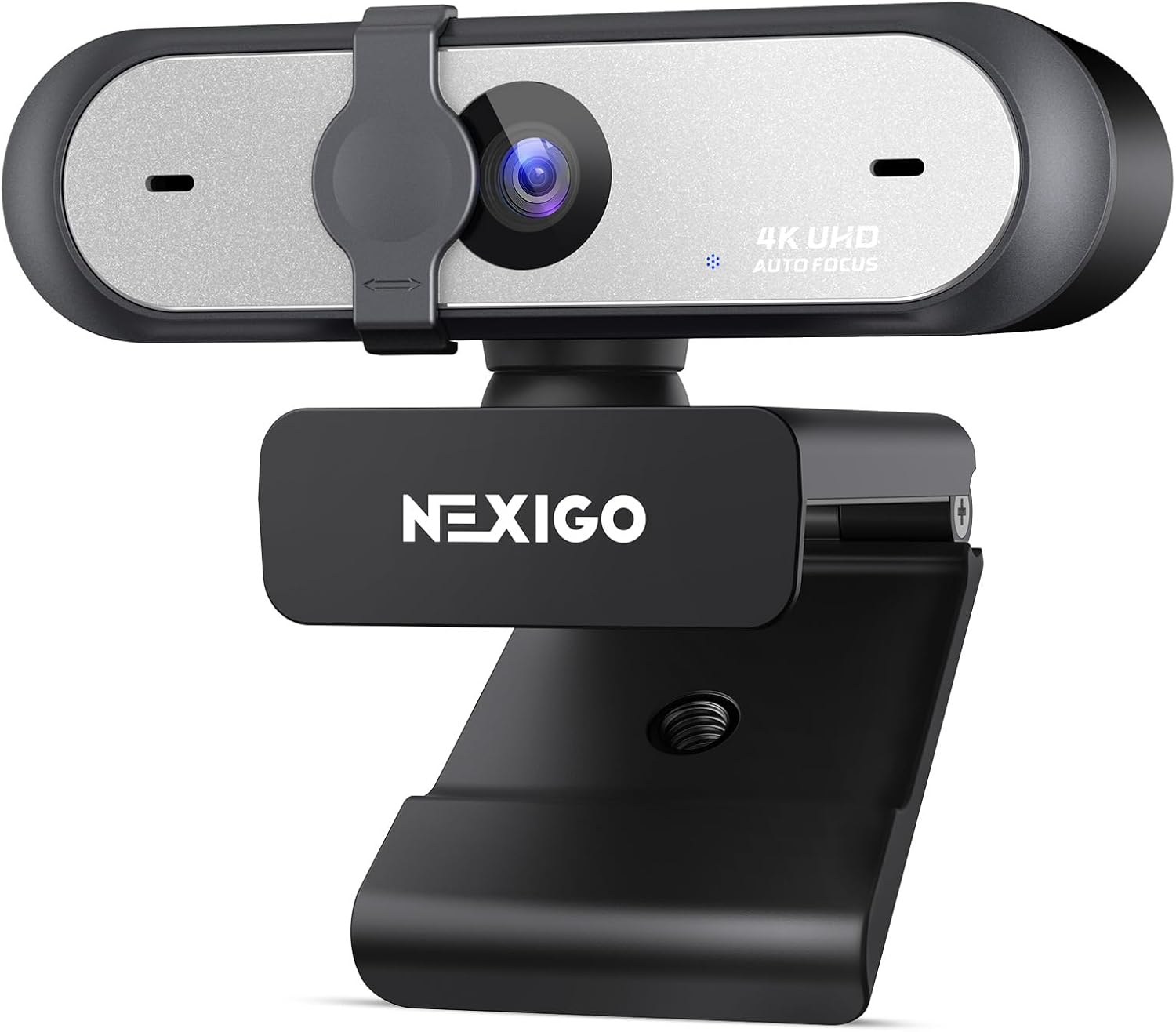
NexiGo N660P Pro 4K Webcam with Distortion-Free Lens, 1080p 60 fps Autofocus USB Streaming Camera, 3DNR, Noise-Canceling Mics & Privacy Cover, Web Cam for Gaming/Live Streaming/PC/Mac/Switch 2, Black
$50-$99This is a 4K 30fps or 1080p 60fps webcam with autofocus, dual noise-canceling mics, and a privacy cover, designed for streaming and video calls on various platforms.

NexiGo N660P Pro 4K Webcam with Distortion-Free Lens, 1080p 60 fps Autofocus USB Streaming Camera, 3DNR, Noise-Canceling Mics & Privacy Cover, Web Cam for Gaming/Live Streaming/PC/Mac/Switch 2, White
$50-$99This 4K webcam with 1080p 60 fps streaming, autofocus, and dual noise-canceling mics is for users needing high resolution and smooth video without external software.

4K Webcam with Autofocus & Tripod, Camera for PC Laptop with Dual Microphone, USB Computer Camera with Low Light Correction, Auto White Balance, Video Camera for Streaming, Meetings, Office, Zoom
$0-$49A 4K webcam with a CMOS sensor and f/2.8 aperture, designed for basic video calls and streaming on a budget.