
Tamron 28-200 F/2.8-5.6 Di III RXD for Sony Mirrorless Full Frame/APS-C E-Mount, Model Number: AFA071S700, Black
Want the best price and purchase timing?
Our AI advisor analyzes real-time pricing across all channels to find you the best deal.
AI Verdict
This 1.27-pound, 28-200mm F2.8-5.6 all-in-one zoom lens is for Sony E-mount users prioritizing a single, lightweight optic for travel and general photography.
This 1.27-pound all-in-one zoom with a 28-200mm range and F2.8 at the wide end is a strong contender for travel, but its F5.6 at 200mm and lack of optical stabilization mean it struggles in dim environments or for action at distance. It's a compromise for convenience.
If low-light performance at telephoto or dedicated image stabilization is critical, look for lenses with a constant F2.8 aperture or built-in optical stabilization.
Regret Score™
Low RiskLower is better — measures purchase-regret risk from real buyer complaints, review credibility, and product maturity
Issues discovered after purchase
Critically weak dimension
Amazon rating vs actual quality
Chance this product isn't for you
Pros
- Achieves F2.8 maximum aperture at the 28mm wide-angle end, a first for an all-in-one zoom.
- Weighs 1.27 pounds (20.3 oz.) and measures 4.6 inches long, making it compact for travel.
- RXD stepping motor unit provides quiet autofocus, suitable for video recording.
- Features Moisture-Resistant Construction and Fluorine Coating for outdoor use.
- Offers close-up shooting performance with a minimum object distance of 7.5 inches at 28mm (1:3.1 magnification).
- Users report sharp images and clarity across the zoom range, especially for an all-in-one lens.
Cons
- Lacks built-in optical image stabilization, relying on in-camera stabilization.
- Maximum aperture narrows to F5.6 at the 200mm telephoto end, limiting low-light performance at longer focal lengths.
- Some users find the zoom ring stiff to turn.
- Uncorrected RAW files show distortion and vignetting.
- Bokeh can be less pleasing in certain situations.
Dimension Scores
For an all-in-one zoom, it delivers surprisingly sharp results and good color across the zoom range, outperforming some competitors.
The RXD stepping motor provides fast, quiet, and accurate autofocus, with good Eye AF performance.
The exceptionally quiet RXD motor is beneficial for video recording, though the variable aperture can be a limitation in changing light.
At 1.27 pounds and 4.6 inches long, it's remarkably compact and lightweight for a full-frame 28-200mm lens.
Best For
- Travel photographers needing a single lens for diverse scenes.
- Photographers seeking a lightweight lens for full-frame Sony E-mount cameras.
- Event photographers capturing spontaneous moments in varied lighting.
- General outdoor and landscape photography.
Not Recommended For
- Professional wildlife photographers needing longer focal lengths beyond 200mm.
- Low-light specialists requiring a consistent wide aperture at telephoto ranges.
- Macro enthusiasts seeking true 1:1 magnification.
Watch Out For
- No optical image stabilization, so you'll depend on your camera's in-body stabilization (IBIS).
- The maximum aperture drops to F5.6 at 200mm, making it challenging for indoor or low-light concert photography at the long end.
- The zoom ring can be stiff, requiring more effort to adjust focal length quickly.
- Images shot in RAW format may exhibit noticeable distortion and vignetting before correction.
Full Specifications
| ASIN | B08B34HWKV |
| Brand | Tamron |
| Batteries | 1 9V batteries required. |
| Lens Type | All-In-One |
| Item Weight | 1.27 pounds |
| Manufacturer | Tamron |
| Item model number | AFA071S700 |
| Product Dimensions | 4.6 x 2.91 x 2.91 inches |
| Compatible Mountings | Sony E |
| Focal Length Description | All-in-one 28-200 millimeters |
What Buyers Say
Many users are surprised by the optical performance of this all-in-one zoom, often noting its sharpness even at 200mm, which is unusual for this lens type. The F2.8 aperture at 28mm is a significant draw, but the rapid drop to F5.6 at the long end is a recurring point of concern for low-light use. Its compact size and light weight are consistently highlighted as major advantages for travel and everyday carry. The lack of optical stabilization means relying solely on the camera body's IBIS, which some find limiting.
“Dude, this lens is a game-changer for trips, I literally only packed this one and got killer shots, but trying to shoot my kid's basketball game at 200mm indoors was a struggle, everything was so dark.”
Common Praise
- Sharp images and clarity throughout the zoom range, especially for a superzoom.
- Compact size (4.6 inches) and light weight (1.27 pounds) for a full-frame lens.
- Fast and quiet autofocus with the RXD motor.
- F2.8 aperture at 28mm provides low-light capability at the wide end.
- Moisture-Resistant Construction and Fluorine Coating for outdoor durability.
- Versatile 28-200mm focal range eliminates the need to change lenses frequently.
Common Complaints
- F5.6 maximum aperture at 200mm is too dim for low-light or indoor telephoto shots.
- Absence of built-in optical image stabilization.
- Zoom ring can feel stiff or difficult to turn.
- Noticeable distortion and vignetting in uncorrected RAW files.
- Bokeh quality is not always pleasing in certain situations.
Ownership Tips
- The lens extends significantly when zoomed to 200mm, almost doubling its length.
- The zoom lock switch is useful for preventing zoom creep when carrying the camera.
- Despite the variable aperture, the F2.8 at 28mm is genuinely useful for wider, low-light shots.
- The 67mm filter thread is a common size, making filter sharing easier.
- It balances well on smaller Sony full-frame bodies like the a7C.
Frequently Asked Questions
Is this lens suitable for low-light photography?
At 28mm, its F2.8 aperture performs well in low light. However, the aperture narrows to F5.6 at 200mm, which can be challenging for low-light situations at longer focal lengths.
Does this lens have image stabilization?
No, this lens does not have built-in optical image stabilization. It relies on your Sony camera's in-body image stabilization (IBIS).
How is the autofocus performance?
The RXD stepping motor unit provides fast, quiet, and accurate autofocus, making it suitable for both photography and video.
Can I use this lens for macro photography?
It offers superior up-close shooting with a minimum object distance of 7.5 inches at 28mm, achieving a 1:3.1 magnification ratio. While good for close-ups, it's not a true macro lens.
Is this lens weather-sealed?
Yes, it features Moisture-Resistant Construction and a Fluorine Coating on the front element, providing protection against dust and splashes.
Is this lens heavy for travel?
Weighing 1.27 pounds (20.3 oz.) and measuring 4.6 inches, it is considered lightweight and compact for an all-in-one full-frame zoom, making it suitable for travel.
What is the filter thread size?
The filter thread diameter is 67mm.
Buying Guide
When looking at an all-in-one zoom like this, you're trading some specialized performance for convenience. You get a huge focal range (28-200mm) in one lens, meaning fewer lens changes and less gear to carry. However, the aperture changes as you zoom, getting dimmer at the long end, which impacts how well it performs in low light and how much background blur you can achieve.
Focal Length (28-200mm)
This describes the zoom range, from a moderately wide angle (28mm) suitable for landscapes or group shots, to a telephoto (200mm) for bringing distant subjects closer, like a pair of binoculars.
Maximum Aperture (F2.8-5.6)
This number indicates how much light the lens can gather and how much background blur it can create. F2.8 at 28mm is bright, allowing for more light and blur, but F5.6 at 200mm is dimmer, requiring more light or higher ISO, and producing less background blur.
Weight (1.27 pounds)
This directly impacts how comfortable the lens is to carry all day. For a lens covering such a wide range on a full-frame camera, 1.27 pounds is relatively light, like carrying a small water bottle.
RXD Stepping Motor
This refers to the autofocus motor. An RXD motor is designed to be fast and quiet, which is especially important for video recording so the microphone doesn't pick up focusing noises.
Alternatives
If you need consistent low-light performance across the zoom range, look for lenses with a constant maximum aperture (e.g., F2.8 throughout). If you need to shoot handheld in dim conditions without relying on camera IBIS, search for lenses with built-in optical image stabilization.
You Might Also Like

NexiGo N660P Pro 4K Webcam with Distortion-Free Lens, 1080p 60 fps Autofocus USB Streaming Camera, 3DNR, Noise-Canceling Mics & Privacy Cover, Web Cam for Gaming/Live Streaming/PC/Mac/Switch 2, Pink
$50-$99This is a 4K CMOS webcam with 3DNR and dual noise-canceling mics, designed for plug-and-play use across multiple platforms.
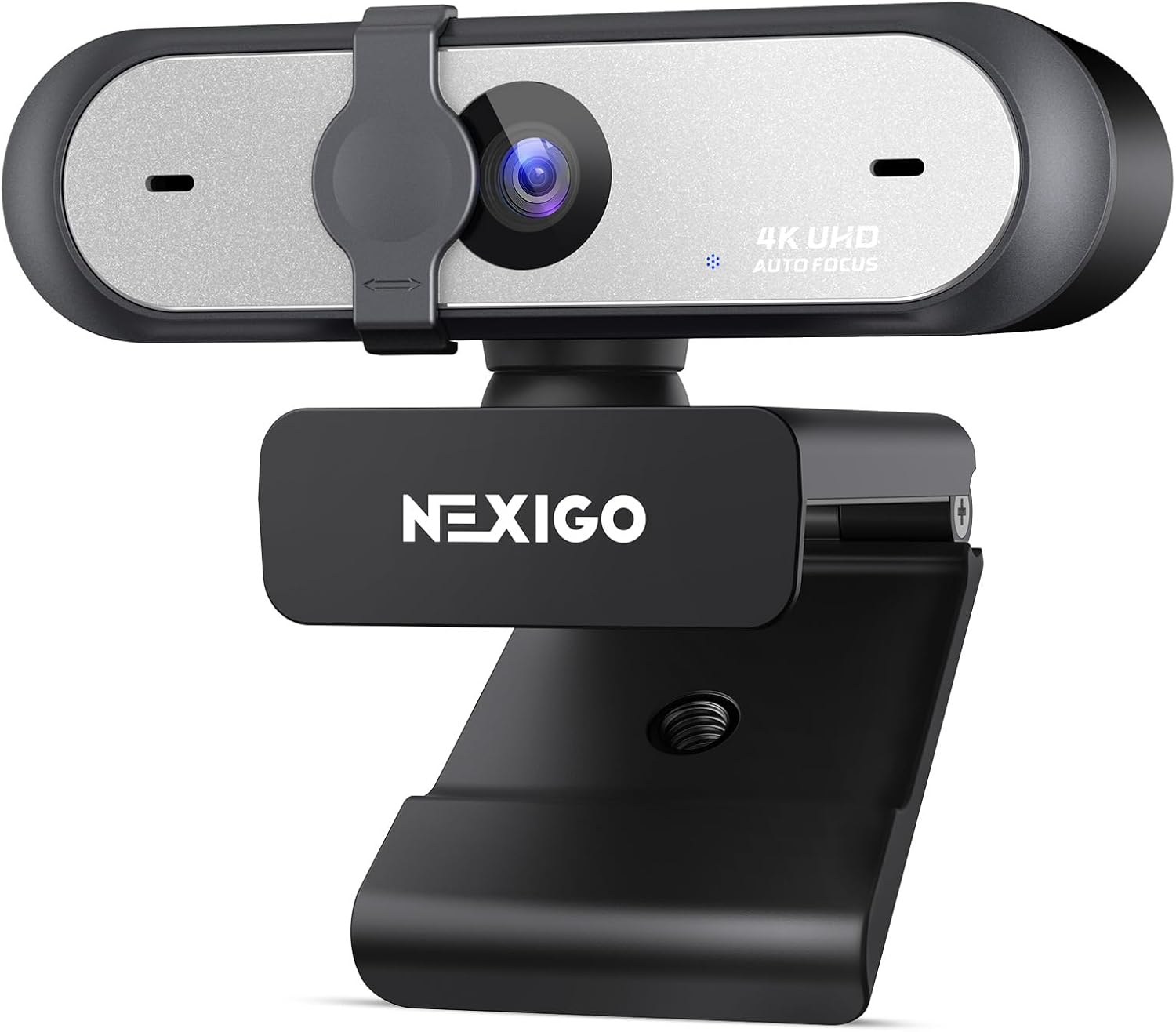
NexiGo N660P Pro 4K Webcam with Distortion-Free Lens, 1080p 60 fps Autofocus USB Streaming Camera, 3DNR, Noise-Canceling Mics & Privacy Cover, Web Cam for Gaming/Live Streaming/PC/Mac/Switch 2, Black
$50-$99This is a 4K 30fps or 1080p 60fps webcam with autofocus, dual noise-canceling mics, and a privacy cover, designed for streaming and video calls on various platforms.

NexiGo N660P Pro 4K Webcam with Distortion-Free Lens, 1080p 60 fps Autofocus USB Streaming Camera, 3DNR, Noise-Canceling Mics & Privacy Cover, Web Cam for Gaming/Live Streaming/PC/Mac/Switch 2, White
$50-$99This 4K webcam with 1080p 60 fps streaming, autofocus, and dual noise-canceling mics is for users needing high resolution and smooth video without external software.

4K Webcam with Autofocus & Tripod, Camera for PC Laptop with Dual Microphone, USB Computer Camera with Low Light Correction, Auto White Balance, Video Camera for Streaming, Meetings, Office, Zoom
$0-$49A 4K webcam with a CMOS sensor and f/2.8 aperture, designed for basic video calls and streaming on a budget.