
Canon EF 75-300mm f/4-5.6 III Telephoto Zoom Lens (Black)
Want the best price and purchase timing?
Our AI advisor analyzes real-time pricing across all channels to find you the best deal.
AI Verdict
This 1.1-pound 75-300mm telephoto zoom lens with a micromotor autofocus is for photographers on an extreme budget who need reach and can work around its optical limitations.
This lens is a situational fit because its 75-300mm focal range and 1.1-pound weight offer telephoto capabilities at a low cost, making it accessible for beginners. However, the absence of image stabilization and the micromotor autofocus system significantly limit its usability for anything beyond static, well-lit subjects.
If you need sharper images and faster autofocus, look for a telephoto lens with 'IS' (Image Stabilization) and 'USM' (Ultrasonic Motor) in its name.
Regret Score™
High RiskLower is better — measures purchase-regret risk from real buyer complaints, review credibility, and product maturity
Issues discovered after purchase
Critically weak dimension
Amazon rating vs actual quality
Chance this product isn't for you
Pros
- Provides a 75-300mm focal length range, offering significant telephoto reach for distant subjects.
- Weighs 1.1 pounds, making it relatively light for a telephoto zoom lens.
- Features a 7-blade diaphragm, which can contribute to a pleasing background blur.
- Has a closest focusing distance of 1.5m (4.9 ft), allowing for some closer telephoto shots.
- Equipped with Super Spectra coating to reduce lens flare and ghosting.
Cons
- Lacks image stabilization, making sharp handheld shots difficult, especially at 300mm.
- Autofocus uses a Micromotor, which is often slow and struggles with moving subjects.
- Images are frequently described as soft, particularly at the 300mm end of the zoom range.
- Prone to chromatic aberration and purple fringing, impacting image clarity.
- Optical design dates back to the film era, showing limitations on modern high-resolution sensors.
Dimension Scores
Users consistently report softness, especially at 300mm, and issues with chromatic aberration and purple fringing.
The micromotor autofocus system is slow and struggles to lock onto moving subjects, leading to frustration for many users.
The slow and potentially noisy micromotor autofocus, combined with the lack of image stabilization, makes this lens poorly suited for video recording.
Weighing 1.1 pounds, it's relatively light for a telephoto zoom, making it easy to carry for extended periods.
Best For
- Beginners exploring telephoto photography on a very tight budget.
- Static subjects where you have time to achieve focus and use a tripod.
- Daytime outdoor photography with ample light to compensate for the f/4-5.6 aperture.
- Experimenting with long focal lengths before investing in a higher-quality lens.
Not Recommended For
- Fast-moving subjects like sports or wildlife due to slow autofocus.
- Low-light photography without a tripod because of the lack of image stabilization and f/4-5.6 aperture.
- Photographers who demand sharp, high-contrast images across the entire zoom range.
Watch Out For
- Images often appear soft, especially at the 300mm focal length, requiring significant post-processing to sharpen.
- The micromotor autofocus system is slow, causing missed shots when trying to capture action or wildlife.
- Expect noticeable chromatic aberration and purple fringing, particularly in high-contrast scenes.
- Without image stabilization, you'll need a tripod or very fast shutter speeds to avoid blurry photos, especially at longer focal lengths.
- Some users report the lens feels 'plastic' and less durable than higher-end options.
Full Specifications
| ASIN | B01N9VPHE4 |
| Brand | Canon |
| Batteries | 1 Lithium Ion batteries required. |
| Lens Type | Telephoto |
| Item Weight | 1.1 pounds |
| Manufacturer | Canon |
| Item model number | 75-300mm |
| Product Dimensions | 4.8 x 2.79 x 2.79 inches |
| Compatible Mountings | Canon EF |
| Camera Lens Description | Canon EF 75-300mm f/4-5.6 III Telephoto Zoom Lens Black |
| Focal Length Description | 75-300 millimeters |
| Is Discontinued By Manufacturer | No |
What Buyers Say
What really jumps out from user feedback is how often this lens is called 'the worst Canon makes' or 'shockingly bad,' yet some beginners still manage to get 'decent shots' with it. The common thread is that it's a lens for those on an 'extremely tight budget' who need the reach, but you'll be fighting its optical limitations and slow autofocus constantly. Many users quickly realize they need to upgrade, often to a lens with image stabilization and a better motor. It seems to serve as a 'gateway' telephoto, showing you what you're missing before you invest more.
“Man, I bought this because it was cheap and I needed a zoom, but seriously, it's so soft at 300mm it's like shooting through Vaseline, and trying to get a bird in focus? Forget about it, it's gone before the lens even thinks about locking on. I guess you get what you pay for, but my wallet still cries a little.”
Common Praise
- Provides a long 75-300mm focal range for distant subjects.
- It's an affordable entry point into telephoto photography.
- Some users have managed to capture 'solid photos' with careful technique.
- Relatively lightweight at 1.1 pounds, easy to carry.
Common Complaints
- Images are consistently soft, especially at the 300mm end.
- Autofocus is slow and struggles with moving targets.
- Lacks image stabilization, leading to blurry handheld shots.
- Prone to chromatic aberration and purple fringing.
- Optical quality is considered poor compared to other Canon lenses and alternatives.
Ownership Tips
- You'll quickly learn the importance of good lighting and fast shutter speeds to compensate for the lack of image stabilization.
- Manual focusing might become your best friend, especially for static subjects, to bypass the slow autofocus.
- Expect to spend time in post-processing sharpening images and correcting color fringing.
- This lens will likely push you to understand your camera's settings better to get any usable shots.
- It's a lens you'll probably replace once you save up for something with better optical performance and features.
Frequently Asked Questions
Does this lens have image stabilization?
No, this Canon EF 75-300mm f/4-5.6 III lens does not include image stabilization. This means you'll need to use faster shutter speeds or a tripod to prevent blur, especially at longer focal lengths.
Is this lens good for wildlife photography?
For static wildlife, it can work if you have good light and patience for its slow autofocus. However, for birds in flight or fast-moving animals, the slow micromotor autofocus and lack of image stabilization will likely lead to many missed or blurry shots.
What kind of autofocus motor does it use?
This lens uses a Micromotor for focus adjustment. This is a basic autofocus system that is generally slower and louder compared to Canon's USM (Ultrasonic Motor) lenses.
Will this lens work on an APS-C camera?
Yes, this EF mount lens is designed for full-frame Canon DSLRs but can also be used on APS-C models. On an APS-C camera, it will provide an equivalent focal length range of approximately 120-480mm.
Is the image quality acceptable for printing?
User feedback suggests that images can be soft, particularly at 300mm, and exhibit chromatic aberration. While some users have achieved decent results, you might find the quality lacking for large prints without significant post-processing.
Buying Guide
When you're looking at a telephoto lens like this, you're buying reach, not necessarily image perfection. You need to understand that a longer focal length, like 300mm, magnifies not just your subject but also any camera shake. Without image stabilization, you'll need to be super steady or use a tripod. Also, the aperture range of f/4-5.6 means it won't be amazing in low light, so plan for bright conditions.
Focal Length (75-300mm)
This tells you how much you can 'zoom in.' 75mm is a moderate telephoto, good for portraits or isolating subjects, while 300mm brings distant objects much closer, like looking through binoculars. It's the range that defines what you can shoot from afar.
Maximum Aperture (f/4-5.6)
This number indicates how much light the lens can let in. A lower f-number (like f/4) means more light and better low-light performance. The 'variable' f/4-5.6 means it lets in less light as you zoom in, so at 300mm, it's f/5.6, making it harder to shoot in dim conditions without raising your camera's ISO or slowing your shutter speed.
Focus Adjustment (Micromotor)
This is the type of motor that moves the lens elements to achieve focus. A micromotor is a basic, often slower, and sometimes noisier system compared to more advanced options like USM (Ultrasonic Motor). For fast-moving subjects, a micromotor can be a real bottleneck, causing you to miss shots.
Alternatives
If this lens doesn't cut it, look for telephoto zooms with built-in image stabilization and a faster, quieter autofocus motor for better results, especially for action or in lower light.
You Might Also Like

NexiGo N660P Pro 4K Webcam with Distortion-Free Lens, 1080p 60 fps Autofocus USB Streaming Camera, 3DNR, Noise-Canceling Mics & Privacy Cover, Web Cam for Gaming/Live Streaming/PC/Mac/Switch 2, Pink
$50-$99This is a 4K CMOS webcam with 3DNR and dual noise-canceling mics, designed for plug-and-play use across multiple platforms.
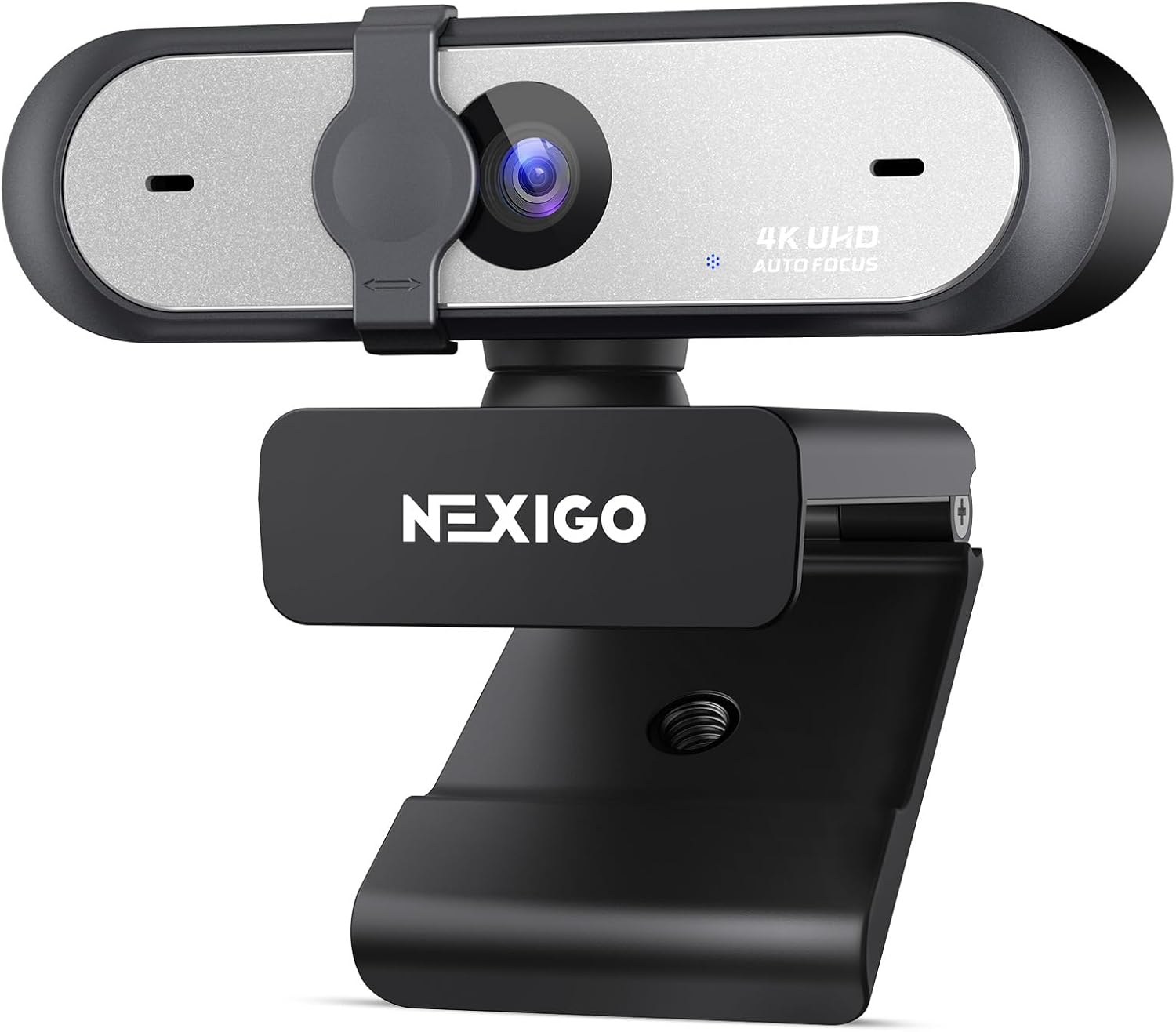
NexiGo N660P Pro 4K Webcam with Distortion-Free Lens, 1080p 60 fps Autofocus USB Streaming Camera, 3DNR, Noise-Canceling Mics & Privacy Cover, Web Cam for Gaming/Live Streaming/PC/Mac/Switch 2, Black
$50-$99This is a 4K 30fps or 1080p 60fps webcam with autofocus, dual noise-canceling mics, and a privacy cover, designed for streaming and video calls on various platforms.

NexiGo N660P Pro 4K Webcam with Distortion-Free Lens, 1080p 60 fps Autofocus USB Streaming Camera, 3DNR, Noise-Canceling Mics & Privacy Cover, Web Cam for Gaming/Live Streaming/PC/Mac/Switch 2, White
$50-$99This 4K webcam with 1080p 60 fps streaming, autofocus, and dual noise-canceling mics is for users needing high resolution and smooth video without external software.

4K Webcam with Autofocus & Tripod, Camera for PC Laptop with Dual Microphone, USB Computer Camera with Low Light Correction, Auto White Balance, Video Camera for Streaming, Meetings, Office, Zoom
$0-$49A 4K webcam with a CMOS sensor and f/2.8 aperture, designed for basic video calls and streaming on a budget.