
Canon EF 75-300mm f/4-5.6 III Telephoto Zoom Lens for Canon SLR Cameras
Want the best price and purchase timing?
Our AI advisor analyzes real-time pricing across all channels to find you the best deal.
AI Verdict
This 75-300mm f/4-5.6 telephoto zoom lens, lacking image stabilization and using a DC motor, is for Canon SLR owners on an extremely tight budget who need maximum reach for stationary subjects.
Regret Score™
Very High RiskLower is better — measures purchase-regret risk from real buyer complaints, review credibility, and product maturity
Issues discovered after purchase
Critically weak dimension
Amazon rating vs actual quality
Chance this product isn't for you
Pros
- Offers a 75-300mm telephoto zoom range for reaching distant subjects.
- Weighs 1.06 pounds (16.8 ounces), making it a relatively lightweight option for its focal length.
- Features a 7-blade diaphragm, which can produce smooth background blur.
- The improved mechanism makes zooming smoother compared to previous versions.
- Can focus on subjects as close as 4.9 feet (1.5m).
Cons
- Lacks image stabilization, making sharp handheld shots difficult, especially at 300mm.
- Autofocus is driven by a DC motor, which is slower and noisier than USM lenses, struggling with fast-moving subjects.
- Produces softer images, particularly at the 300mm end, and exhibits chromatic aberrations like purple fringing.
- The optical design dates back to the film era, not optimized for modern high-resolution digital sensors.
- Images can appear grainy and flat, with less vibrant colors according to user reports.
Dimension Scores
Images are frequently reported as soft, especially at 300mm, with noticeable chromatic aberrations and less vibrant colors.
The DC motor autofocus is slow and noisy, struggling to acquire focus on moving subjects, making it unsuitable for action photography.
The noisy DC autofocus motor and lack of image stabilization make this lens a poor choice for video, as focus hunting and camera shake will be prominent.
Weighing 1.06 pounds and measuring 4.8 inches long, it's relatively compact and lightweight for a 300mm telephoto zoom lens.
Best For
- Beginner photographers needing telephoto reach for still subjects in bright daylight.
- Experimenting with telephoto photography on an extremely limited budget.
- Capturing distant landscapes or architecture where a tripod can be used.
- Casual outdoor photography where subject movement is minimal.
Not Recommended For
- Wildlife or sports photography due to slow autofocus and lack of image stabilization.
- Low-light shooting environments, as its f/4-5.6 maximum aperture is restrictive.
- Users prioritizing sharp images and accurate colors across the zoom range.
Watch Out For
- You'll see significant purple fringing and chromatic aberrations in high-contrast areas, especially when shooting branches against the sky.
- Autofocus is slow and noisy, with users reporting that it struggles to lock onto subjects, making it frustrating for anything moving quickly.
- Without image stabilization, you'll need a tripod or monopod for sharp photos at 300mm, otherwise, motion blur is a constant issue.
- Image quality at 300mm is often described as soft, requiring you to stop down to f/11 for better sharpness, which then demands more light.
- The DC motor for autofocus makes plastic whirring and clunking sounds, which can be distracting during video recording or in quiet environments.
Full Specifications
| ASIN | B00004THD0 |
| Brand | Canon |
| Lens Type | Telephoto |
| Item Weight | 1.06 pounds |
| Manufacturer | Canon |
| Item model number | 6473A003 |
| Product Dimensions | 4.8 x 2.8 x 2.8 inches |
| Compatible Mountings | Canon EF |
| Camera Lens Description | Canon EF 75-300mm f/4-5.6 III Lens |
| Focal Length Description | EF 75-300mm |
| Is Discontinued By Manufacturer | No |
What Buyers Say
Many users on Reddit found this lens to be a significant disappointment, often calling it one of Canon's weakest offerings, especially when compared to the EF-S 55-250mm STM. The biggest recurring issue is the lack of image stabilization, which makes getting sharp photos at 300mm nearly impossible without a tripod. Autofocus is another major pain point, described as slow and noisy, frequently failing to lock onto subjects, particularly for wildlife or sports. Despite its budget price, the optical quality, with its softness and chromatic aberrations, often leaves users wishing they had invested in a different lens.
“Man, I bought this thing thinking '300mm, awesome!' but all I get are blurry birds and purple lines around everything. Should've just saved up for the 55-250, seriously.”
Common Praise
- Provides a long 75-300mm focal range for reaching distant subjects.
- It's a very affordable entry point into telephoto photography.
- Relatively lightweight and compact for its zoom range.
- Can produce acceptable results for stationary subjects in bright light when used carefully.
Common Complaints
- Images are soft, especially at the 300mm end, and lack sharpness.
- Significant chromatic aberration and purple fringing are visible in high-contrast scenes.
- Autofocus is slow, noisy, and struggles with moving subjects, leading to missed shots.
- Absence of image stabilization makes handheld shooting at longer focal lengths very difficult without blur.
- Optical design is outdated, not performing well with modern high-resolution sensors.
- Colors can appear flat and images sometimes look grainy.
Ownership Tips
- After a few weeks, you'll realize how much you miss image stabilization; every slight hand tremor shows up at 300mm.
- The autofocus motor's whirring sound becomes really annoying, especially if you try to shoot video or in quiet environments.
- You'll spend a lot of time trying to manually focus because the autofocus just can't keep up with anything moving.
- You'll quickly learn to only use this lens on bright, sunny days, as anything less results in unusable photos due to slow shutter speeds and lack of IS.
- Cropping images taken with this lens often magnifies its imperfections, making already soft areas even worse.
Frequently Asked Questions
Does this lens have image stabilization?
No, this Canon EF 75-300mm f/4-5.6 III lens does not include image stabilization. You'll need to use faster shutter speeds or a tripod to avoid blurry photos, especially at longer focal lengths.
Is this lens suitable for wildlife photography?
While it offers the telephoto reach for wildlife, its slow DC motor autofocus and lack of image stabilization make it challenging for capturing fast-moving animals. Many users report missing shots because the lens couldn't focus quickly enough.
How does the autofocus perform?
The autofocus uses a DC motor, which is generally slower and noisier than Canon's USM or STM motors. Users have found it struggles to lock focus, especially on moving subjects, and can be frustrating to use.
What is the image quality like?
Image quality is often described as soft, particularly at the 300mm end, and prone to chromatic aberrations like purple fringing. Some users also note that pictures can appear grainy and lack vibrant colors.
Can I use this lens on an APS-C camera?
Yes, this EF lens is compatible with APS-C Canon DSLRs. On an APS-C sensor, the 75-300mm focal length range will effectively become 120-480mm, providing even more reach but also magnifying its optical flaws.
Buying Guide
When you're looking at telephoto lenses, the big numbers like '300mm' sound exciting, but you need to understand what else matters. For long-range shots, especially if you're not using a tripod, 'Image Stabilization' (IS) is crucial to prevent blurry photos from your hands shaking. Also, how fast and quiet the lens focuses, often indicated by 'USM' or 'STM' in Canon lenses, makes a huge difference for capturing anything that moves.
Focal Length (75-300mm)
This tells you how 'zoomed in' you can get. 75mm is a moderate zoom, while 300mm brings distant subjects much closer, like looking through binoculars. The higher the number, the more reach you have.
Maximum Aperture (f/4-5.6)
This number indicates how much light the lens lets in. A smaller f-number (like f/4) means more light, which helps in dim conditions and creates a blurry background. Since this lens goes from f/4 to f/5.6 as you zoom, it lets in less light at 300mm, making it harder to shoot in low light or get fast shutter speeds.
Image Stabilization (None)
This feature compensates for camera shake, letting you take sharper handheld photos, especially at longer focal lengths or slower shutter speeds. Without it, even tiny movements can make your photos blurry, forcing you to use a tripod or very fast shutter speeds.
Autofocus Motor (DC motor)
This is the mechanism that focuses the lens. A DC motor is typically slower and louder than more advanced motors like USM (Ultrasonic Motor) or STM (Stepping Motor). A slow motor means you might miss shots of fast-moving subjects, and a noisy one can be distracting during video.
Alternatives
If this lens doesn't cut it, look for a telephoto zoom with 'Image Stabilization' (IS) to reduce blur and an 'STM' or 'USM' autofocus motor for faster, quieter focusing. Prioritize a constant or wider maximum aperture if you shoot in lower light.
You Might Also Like

NexiGo N660P Pro 4K Webcam with Distortion-Free Lens, 1080p 60 fps Autofocus USB Streaming Camera, 3DNR, Noise-Canceling Mics & Privacy Cover, Web Cam for Gaming/Live Streaming/PC/Mac/Switch 2, Pink
$50-$99This is a 4K CMOS webcam with 3DNR and dual noise-canceling mics, designed for plug-and-play use across multiple platforms.
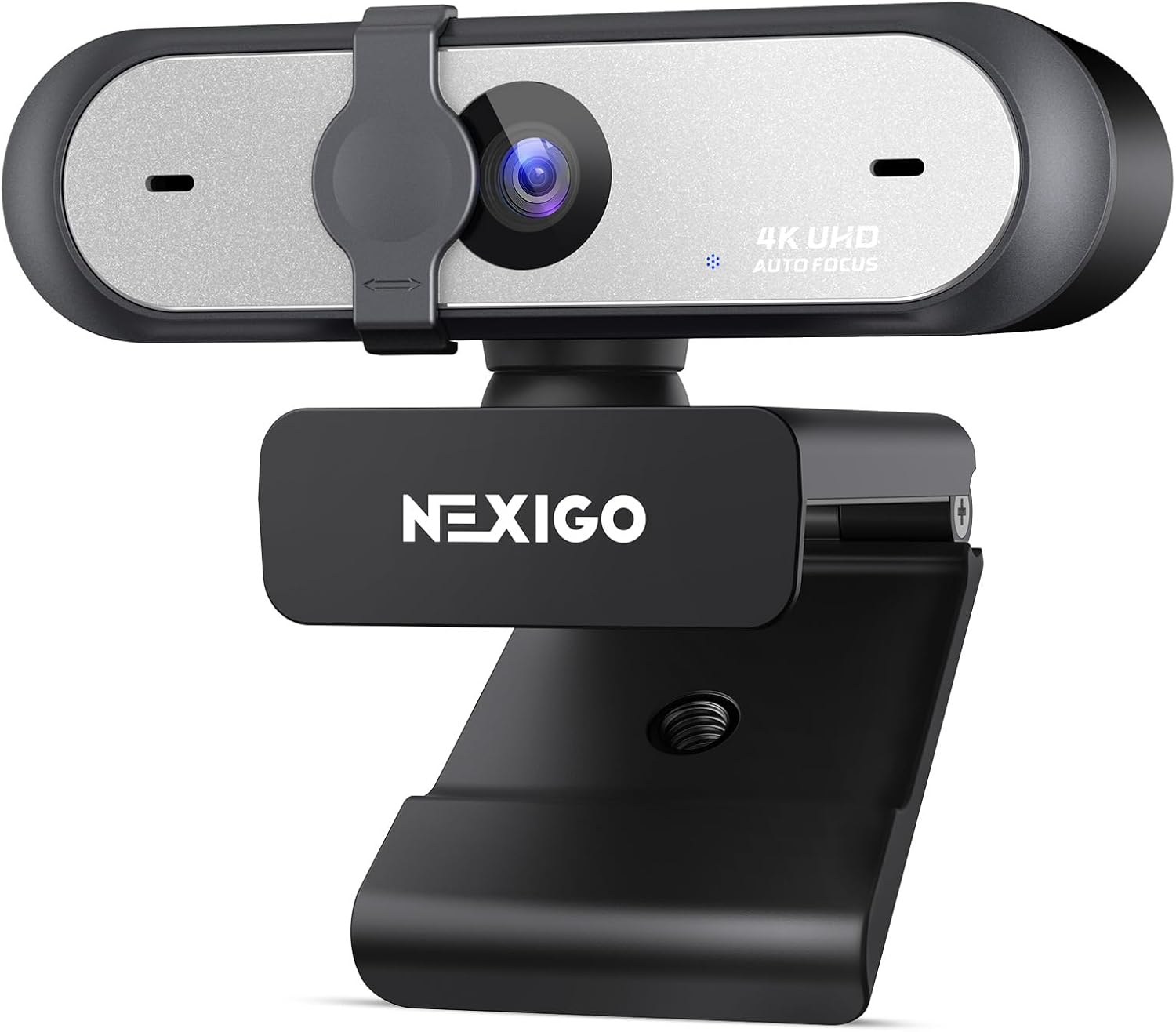
NexiGo N660P Pro 4K Webcam with Distortion-Free Lens, 1080p 60 fps Autofocus USB Streaming Camera, 3DNR, Noise-Canceling Mics & Privacy Cover, Web Cam for Gaming/Live Streaming/PC/Mac/Switch 2, Black
$50-$99This is a 4K 30fps or 1080p 60fps webcam with autofocus, dual noise-canceling mics, and a privacy cover, designed for streaming and video calls on various platforms.

NexiGo N660P Pro 4K Webcam with Distortion-Free Lens, 1080p 60 fps Autofocus USB Streaming Camera, 3DNR, Noise-Canceling Mics & Privacy Cover, Web Cam for Gaming/Live Streaming/PC/Mac/Switch 2, White
$50-$99This 4K webcam with 1080p 60 fps streaming, autofocus, and dual noise-canceling mics is for users needing high resolution and smooth video without external software.

4K Webcam with Autofocus & Tripod, Camera for PC Laptop with Dual Microphone, USB Computer Camera with Low Light Correction, Auto White Balance, Video Camera for Streaming, Meetings, Office, Zoom
$0-$49A 4K webcam with a CMOS sensor and f/2.8 aperture, designed for basic video calls and streaming on a budget.